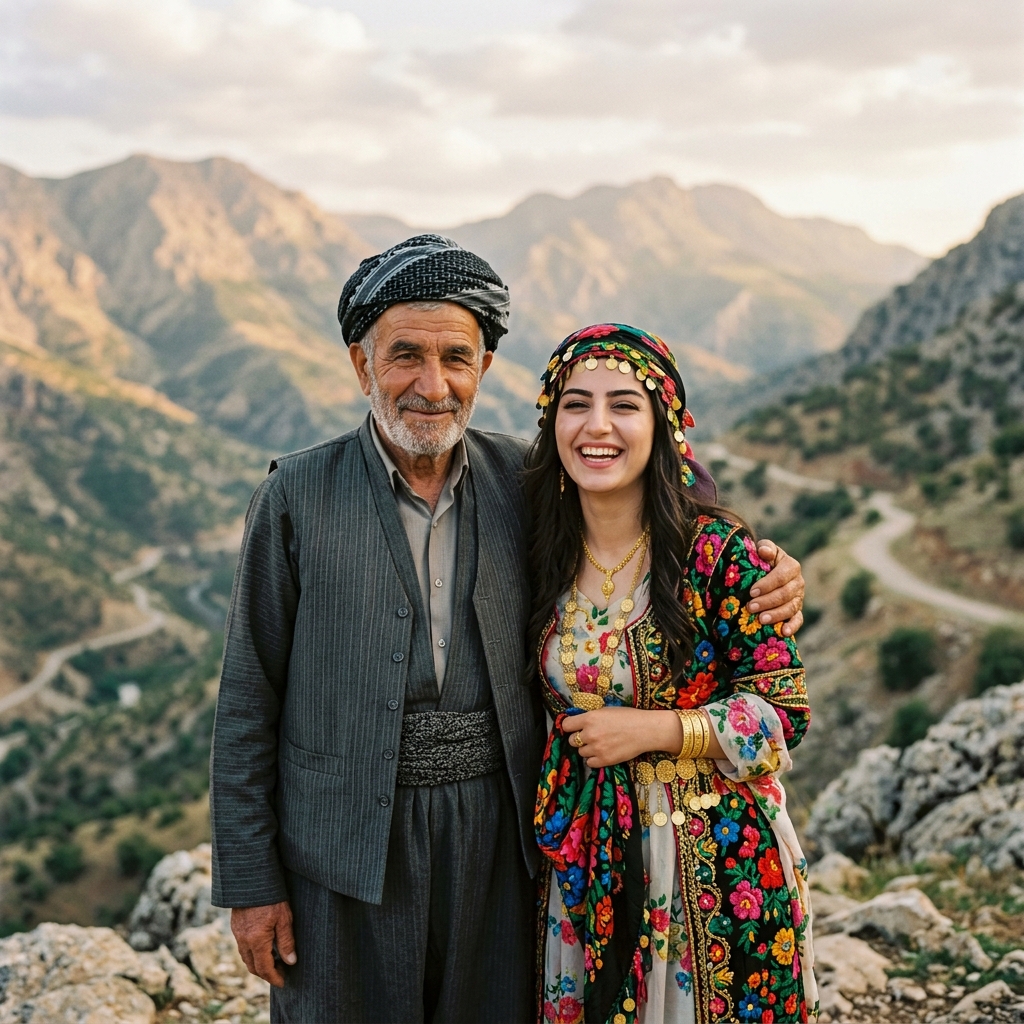
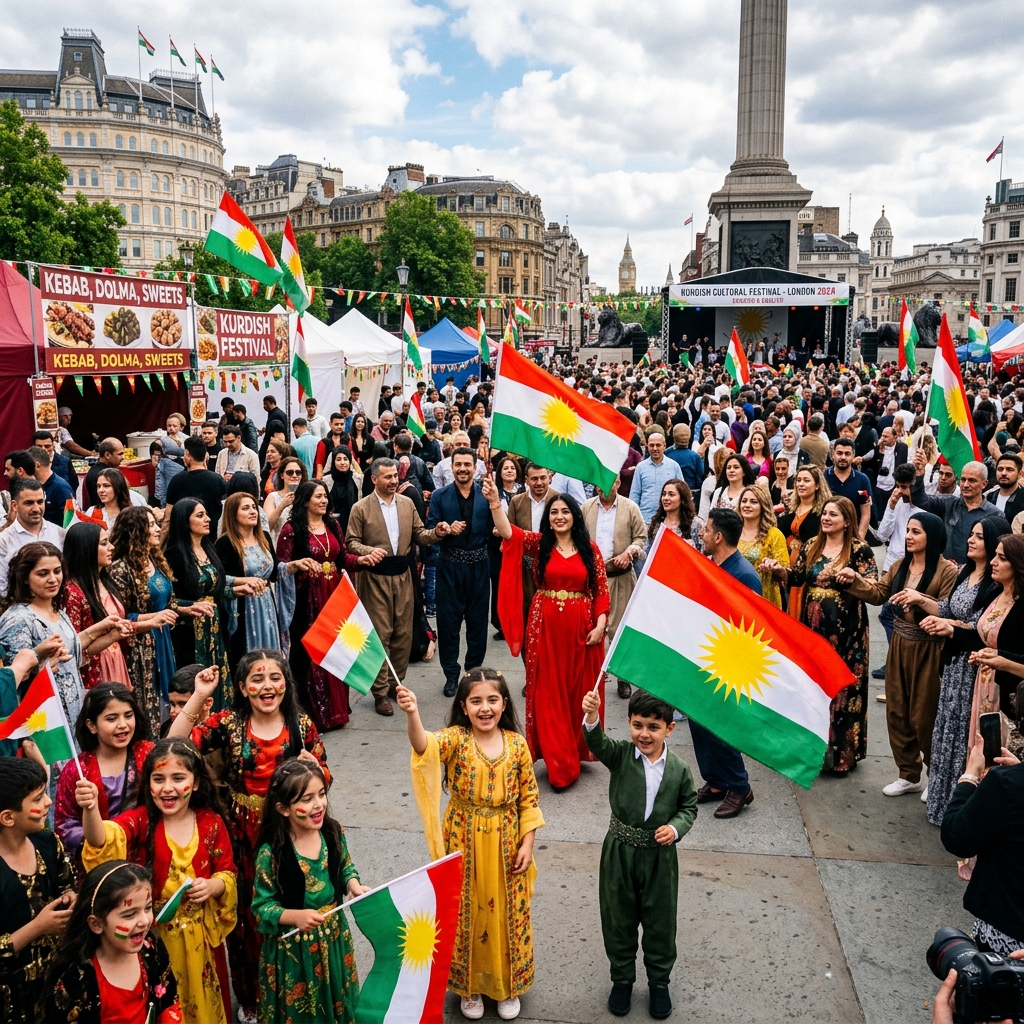
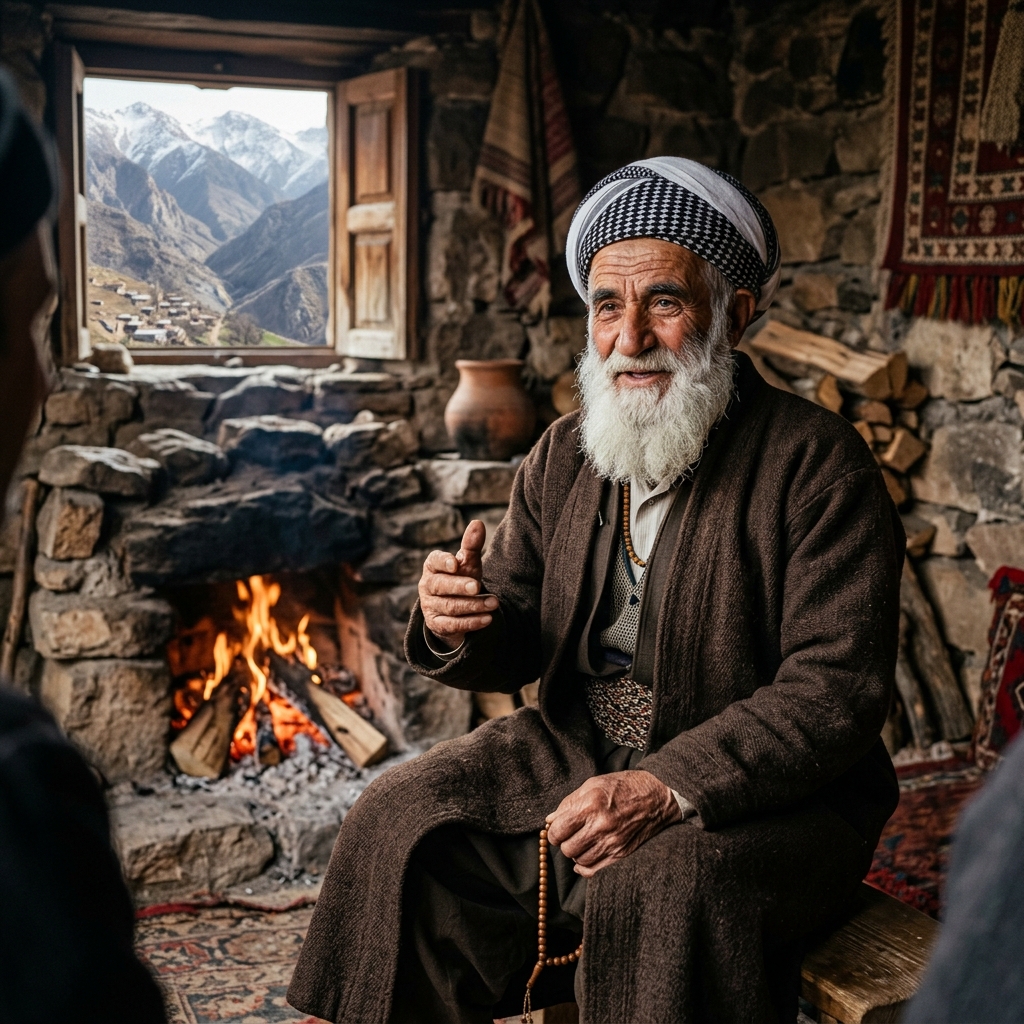
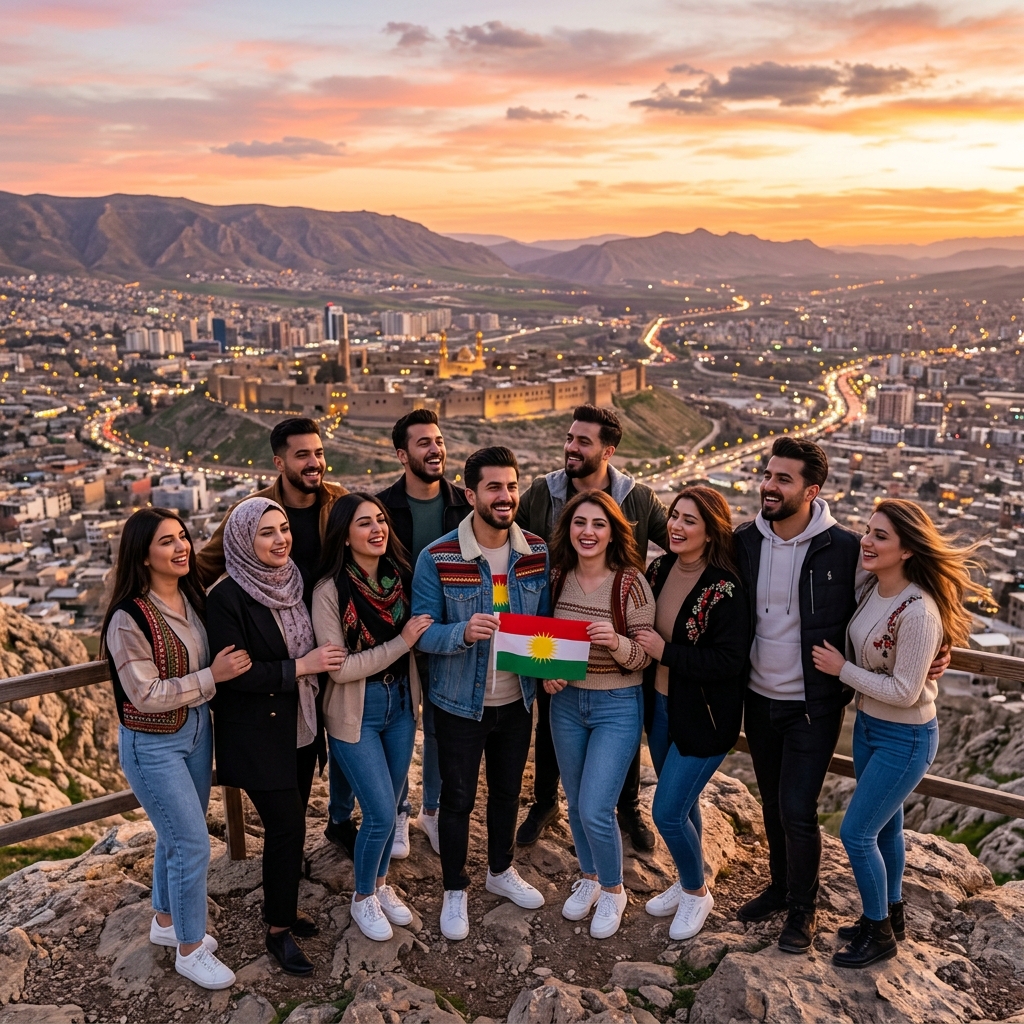
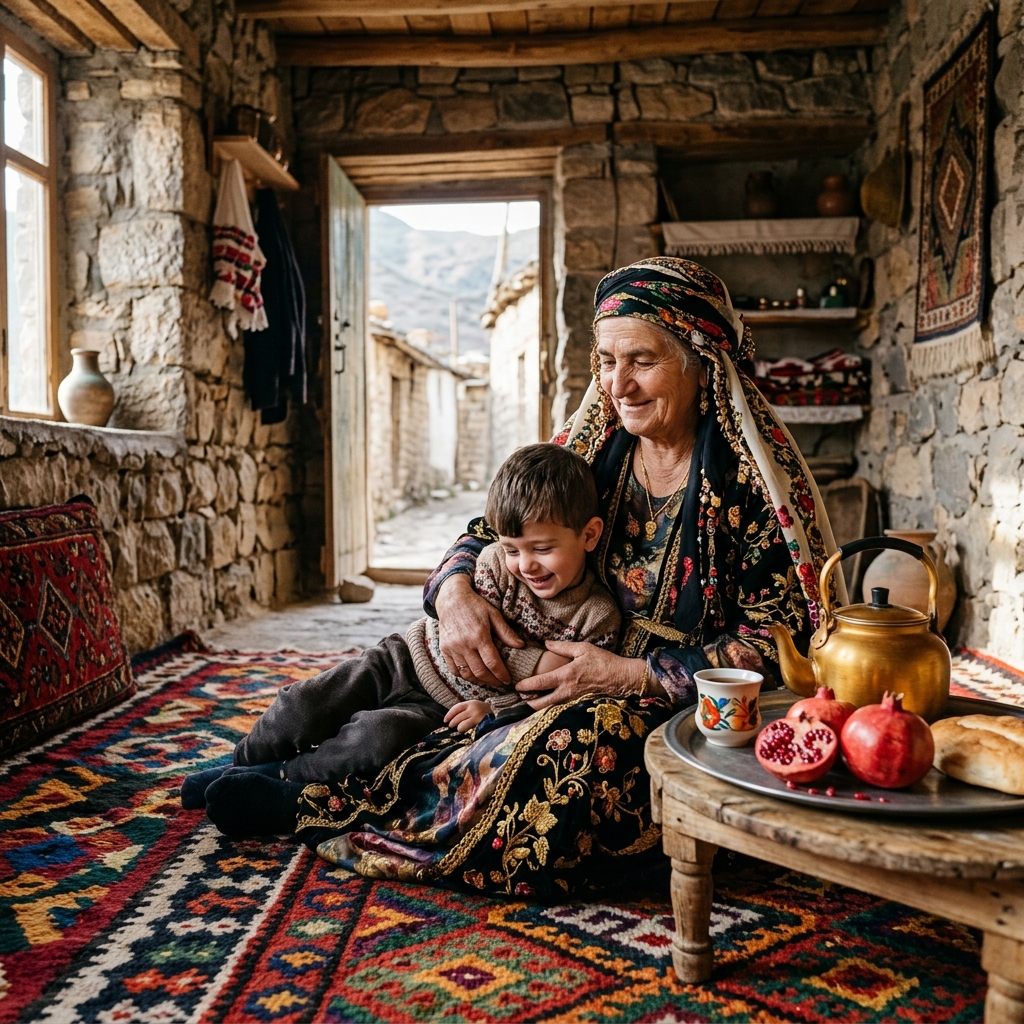
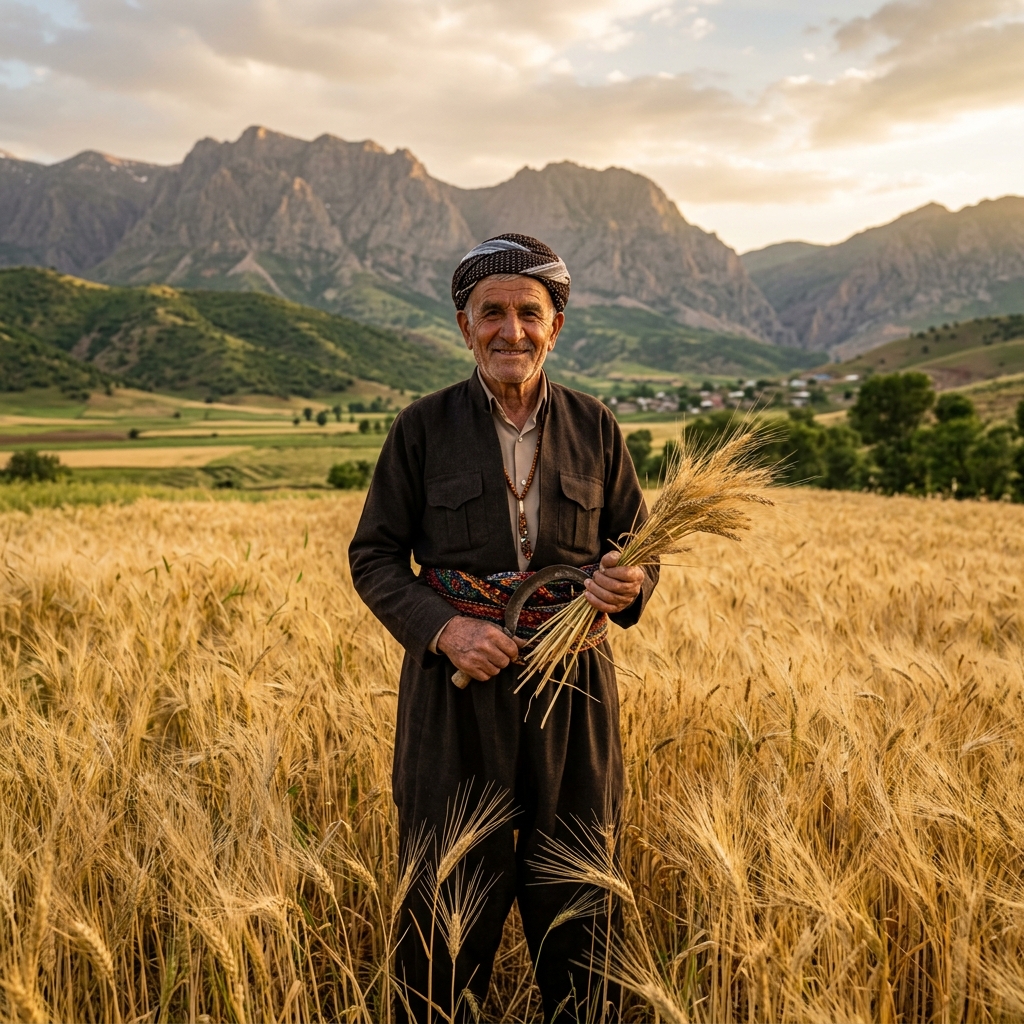
A common misconception is that "Kurdish clothing" refers to a uniform, singular national outfit. In reality, **traditional Kurdish attire is an extraordinarily diverse tapestry of regional styles, micro-climatic adaptations, tribal confederations, and community customs.**
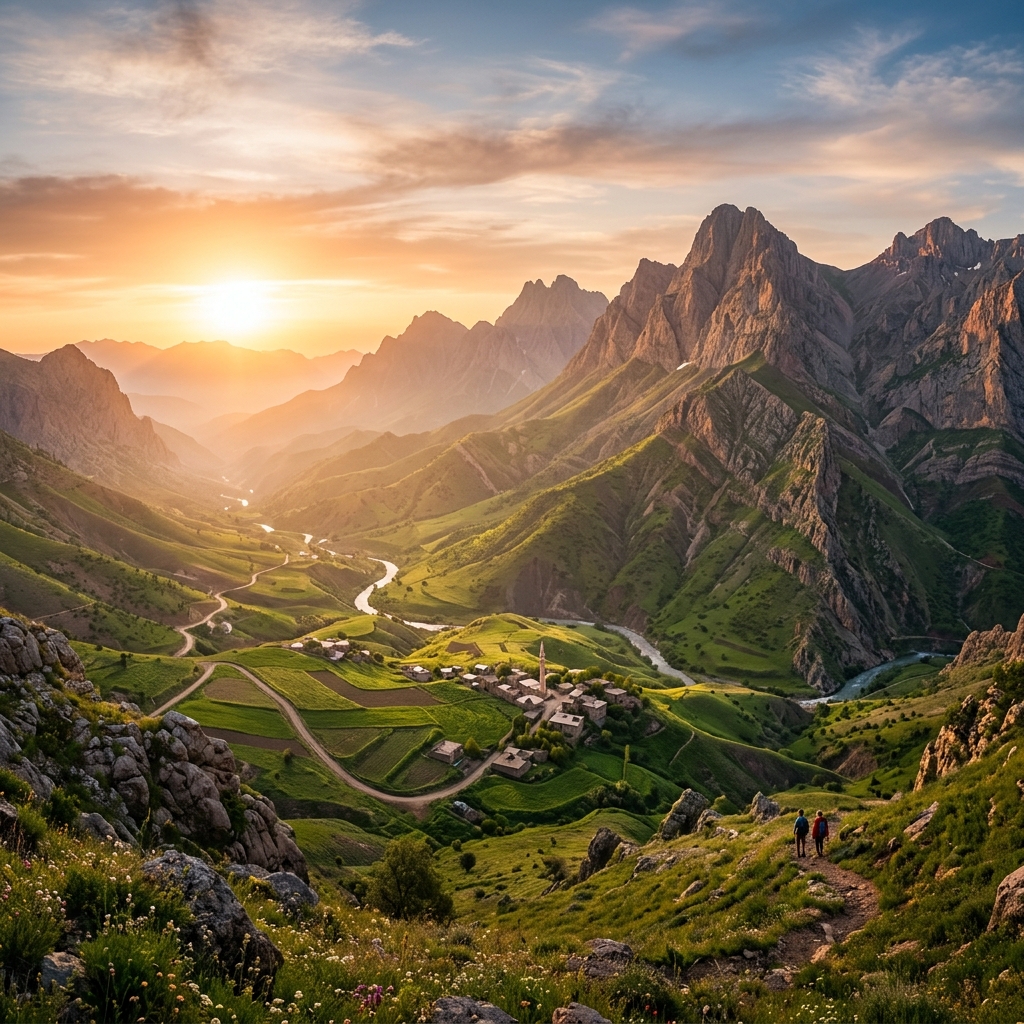
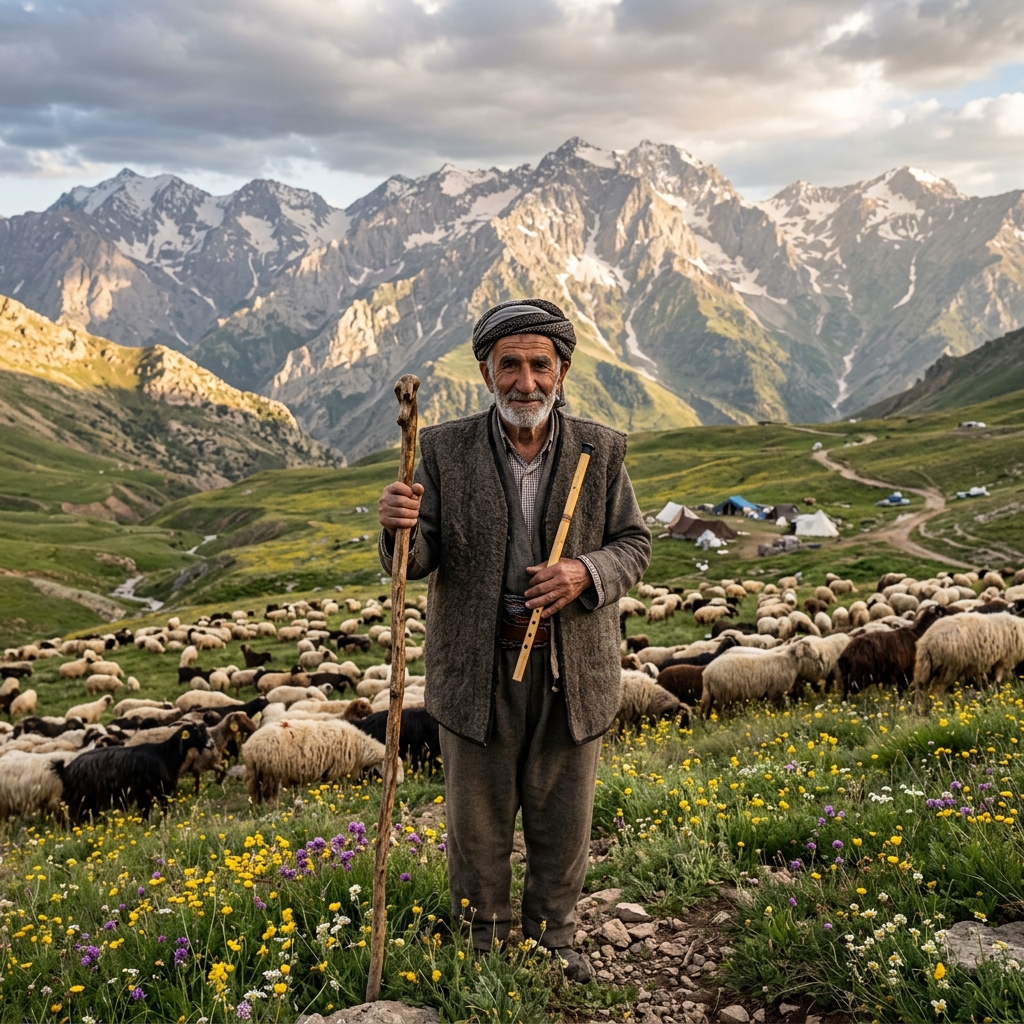
Spanning across the rugged alpine peaks of Zagros and Taurus down to the fertile river valleys of the Tigris and Euphrates, the Kurdish homeland encompasses distinct ecological zones. The heavy, felted wool coats and white cloth shoes (Klash) of mountainous Hawraman contrast sharply with the breathable, flowing robes of the sun-drenched plains of Rojava (Cizîre). Similarly, the wide-pleated Şal û Şepk and tall coin-decked Kofî of Badinan and Botan carry unique silhouettes distinct from the tailored, tapered Rank û Çoxe of Mukriyan and Sulaymaniyah, or the layered white veils and understated floral motifs of Dersim and Alevi communities.
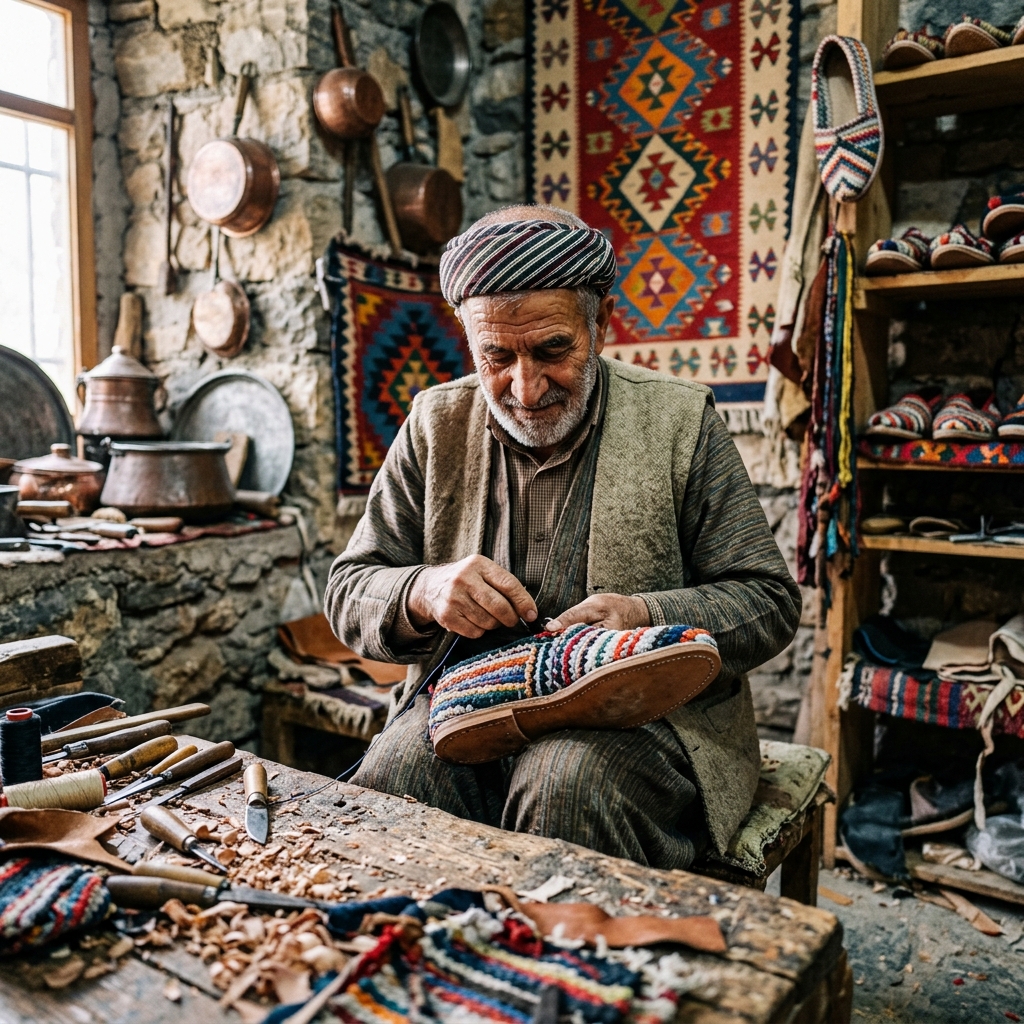
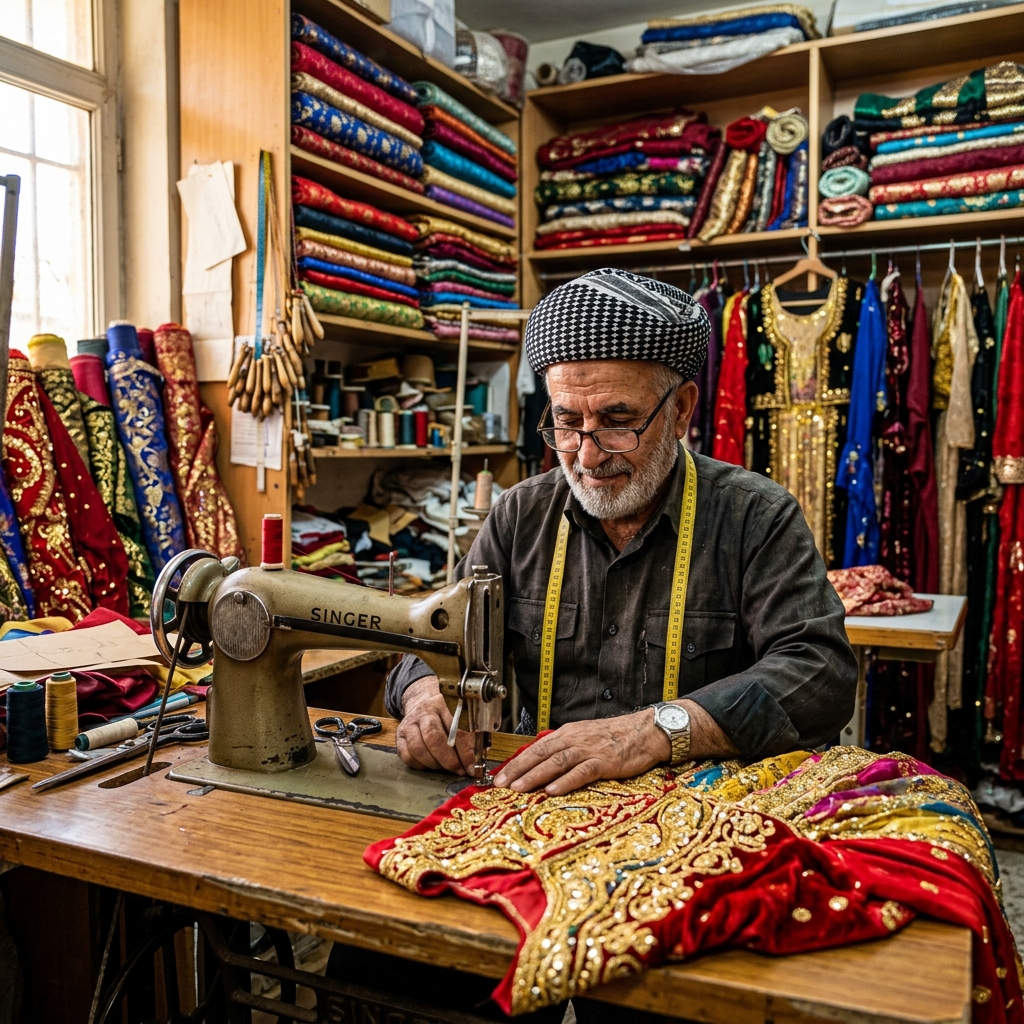
Every valley, city, and religious community (whether Muslim, Yazidi, Alevi, Kakai, Jewish, or Christian) developed specialized textile weaves, embroidery codes, and jewellery heirlooms passed down through maternal and artisan lineages for millennia.




 Global Capital
2,700+ Torches
Global Capital
2,700+ Torches