Living Traditions & Society

Kurdish Family & Everyday Life

ژیان، دابونەریت و بەهاکانی خێزانی کوردی — لە گوندەوە تا شار

Beyond monumental history and mountain topography lies the intimate heartbeat of Kurdistan: the warmth of the family hearth, the sacred laws of hospitality, multi-generational reverence, the vibrant banter of spice bazaars, and endless glasses of cardamom tea.

Kurdish Family Multi-generational Gathering Foundation of Society

1. Family & Kinship (Malbat & Xêzan)

خێزان و ماڵباتی کوردەواری — کۆڵەکەی سەرەکیی کۆمەڵگە

In Kurdish society, the family (*Malbat*) is the sacred bedrock of social cohesion and emotional security. Extended multi-generational family networks often live in close proximity or within the same stone courtyard, ensuring that joys, agricultural labors, childcare, and grief are shared collectively.

Filial piety (*Rêzgirtina dê û bavan*) and mutual loyalty are cultivated from the earliest age. Major life decisions—from career milestones to matrimonial unions and land stewardship—are deliberated in respectful family councils where the counsel of elders carries decisive moral authority.

Core Values & Daily Customs
  • Unconditional mutual economic & emotional aid
  • Deep filial piety and reverence for parents
  • Collective childcare shared across aunties & grandmothers
  • Preservation of tribal lineage (*Ensab*) & family honor
2. Hospitality & Guest Ethics (Mêvanwerî)

میواندۆستی و ڕێزی میوان — میوان هاوڕێی خودایە

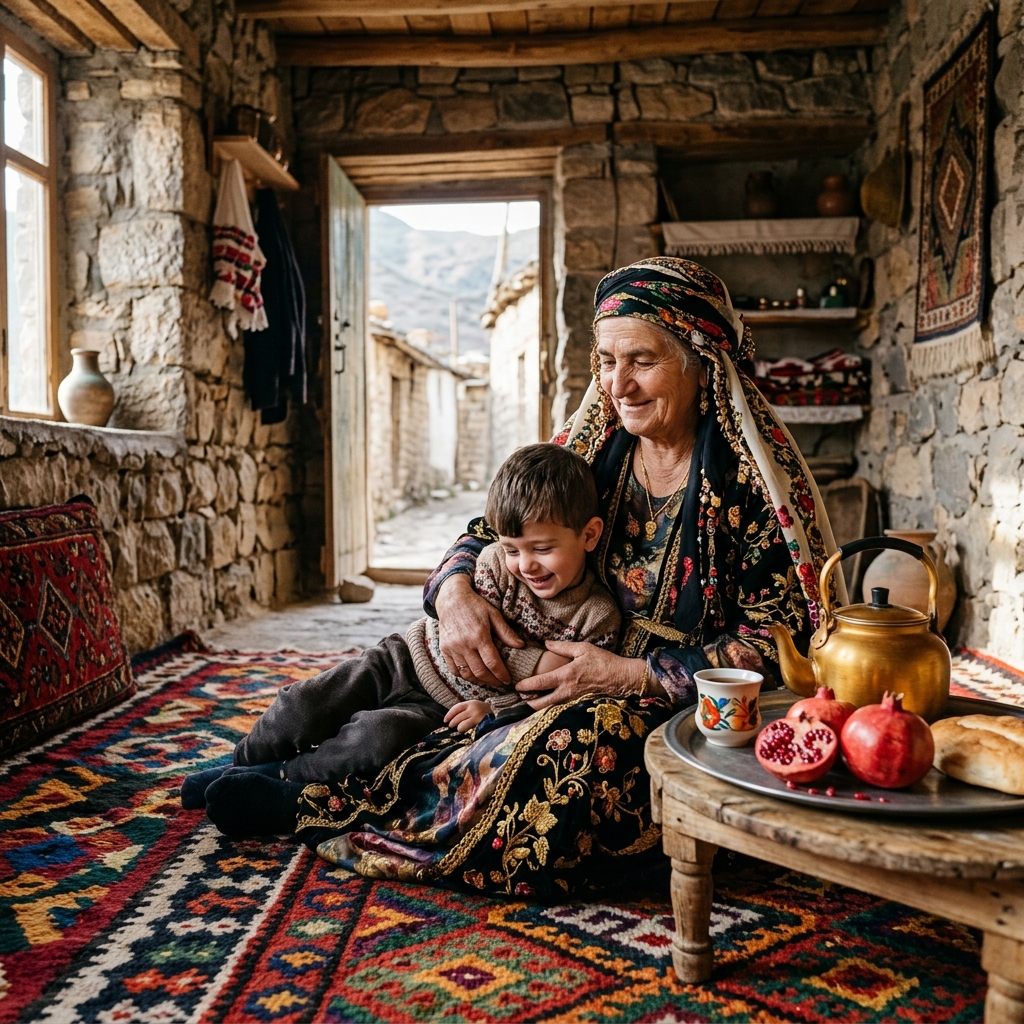
Hospitality (*Mêvanwerî*) is not merely a social courtesy in Kurdistan; it is an ancient, inviolable sacred duty. The central proverb dictates: "Mêvan hevalê Xwedê ye" ("The guest is God's friend"). Whether a traveler arrives at a humble shepherd's tent on a remote Zagros ridge or a mansion in Erbil, the household's finest room (*Mêvanxane*) is immediately opened.

Hosts serve the best preserved meat, fresh flatbreads, and aromatic tea, never asking the traveler's business or tribe until their hunger and thirst are completely satisfied. Refusing hospitality is viewed as an offense, and hosts consider serving guests an honor that brings blessing (*Bereket*) to the home.

Guest Etiquette & Rituals
  • Dedicated guest room (*Mêvanxane*) always immaculately prepared
  • Immediate greeting with cardamom tea and cold spring water
  • The host serves standing, eating only after guests are satisfied
  • Traditional departure blessing: *"Ser çavan hatin"* (You honored our eyes)
Kurdish Mother preparing generous hospitality feast Sacred Guest Code
Kurdish Wedding Grand Outdoor Govend Dance Grand Communal Celebration

3. Weddings & Matrimonial Joy (Dawet & Şahî)

شایی و ئاهەنگی زەماوەندی کوردی — دەست لە دەست بۆ یەکێتی

A traditional Kurdish wedding (*Dawet*) is a multi-day communal festival that unites entire villages and extended clans. Festivities begin with Şeva Xeneyê (Henna Night), where the bride's hands and feet are adorned with intricate herbal henna patterns amidst emotional songs of farewell to her maternal home.

On the wedding day, hundreds of guests dressed in brilliant silk, velvet, and gold regalia gather in vast open fields or banquet halls. The thunder of the Daf and Zurna sets the tempo for hours-long circular Govend / Hilperkê chain dances, where men and women lock little fingers (*Tiliya Qilîçkê*) in egalitarian solidarity.

Wedding Traditions & Symbols
  • *Şeva Xeneyê* (Henna Night) emotional maternal blessing
  • Sheer red protective veil (*Duvaq*) draped over bride
  • Groom's tricolor silk ribbons (*Kesk û Sor û Zer*)
  • *Şabaş* gift-giving to honor the newlyweds

4. Children & Upbringing (Zarok)

پەروەردەی منداڵان — پارێزەرانی داهاتووی زمان و کلتوور

Children in Kurdistan are cherished as the eternal continuity of the nation. Raised in an environment rich in storytelling, nature exploration, and multi-generational interaction, Kurdish children learn resilience, emotional intelligence, and respect for community from their infancy.

From gentle bedtime lullabies (*Lûrîk / Laylaye*) sung by mothers and grandmothers to participatory roles during harvest seasons, Newroz bonfires, and sheep grazing, young Kurds develop a profound spiritual attachment to the Zagros mountains, their mother tongue, and family traditions.

Childhood Traditions & Rites
  • Singing of traditional Zagros cradle lullabies (*Lûrîk*)
  • Miniature traditional suits tailored for Newroz & weddings
  • Early participation in village harvests & seasonal picnics
  • Protective turquoise evil-eye beads (*Çavnezer*) pinned to garments
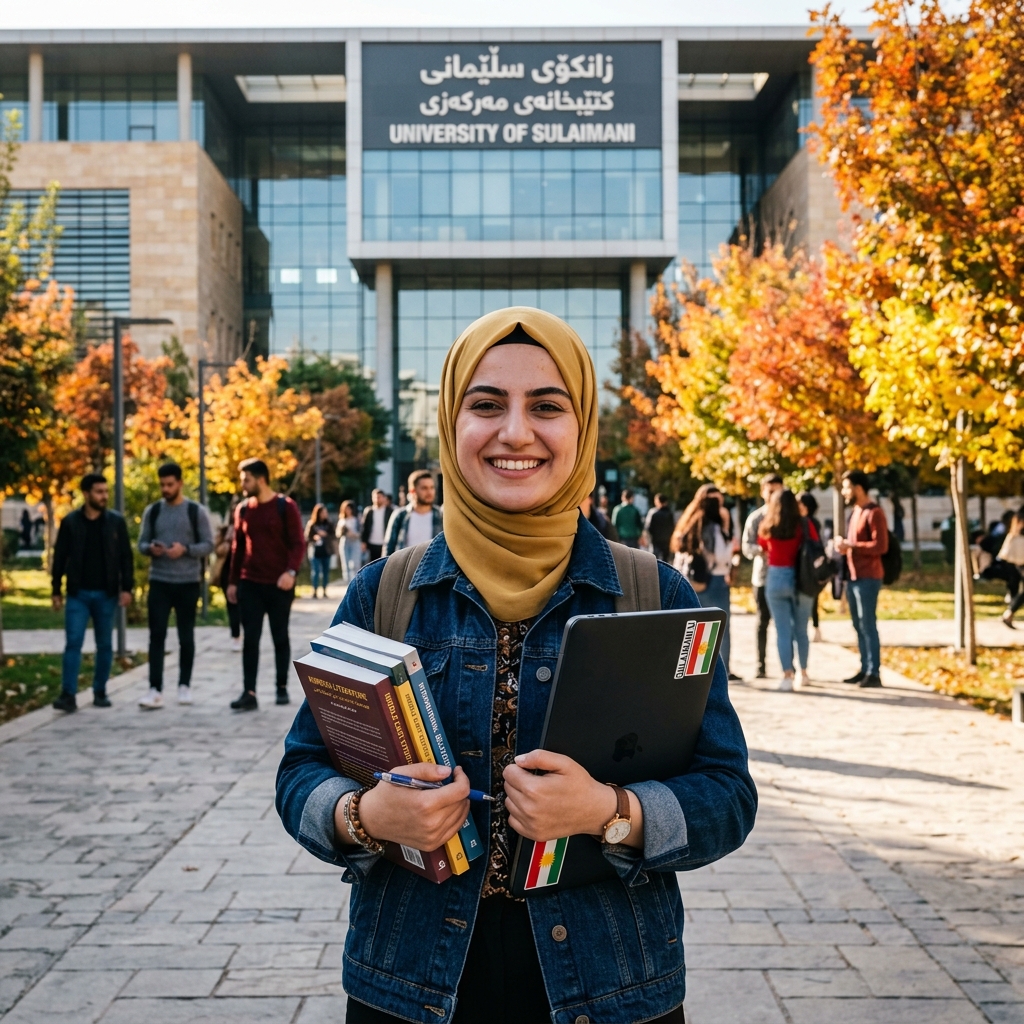
Kurdish Student and Youth Education Future of Kurdistan
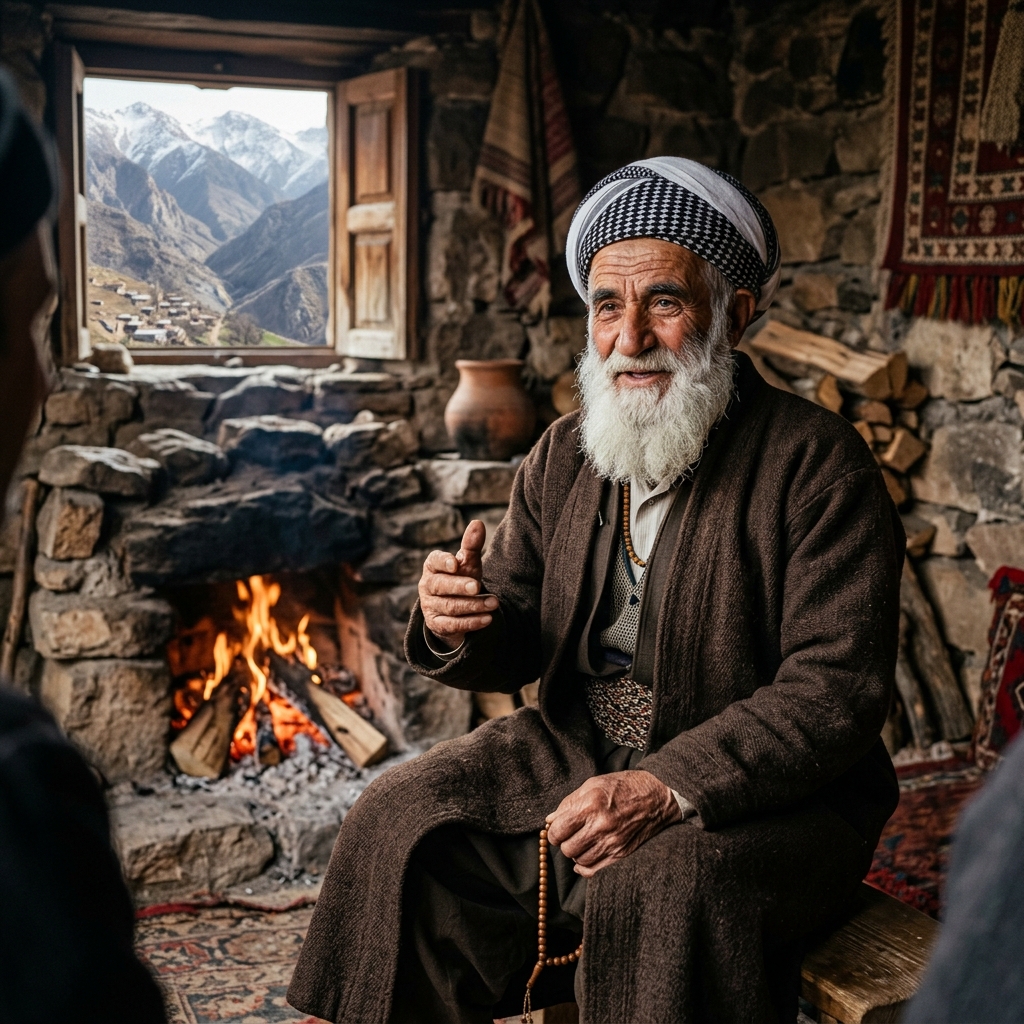
Kurdish Grandparent Elder Respected Patriarch Living Memory Keepers

5. Grandparents & Village Elders (Pîr û Kal / Rîsipî)

باپیرە و داپیرە — سەرچاوەی بەرەکەت، مێژوو و دانایی

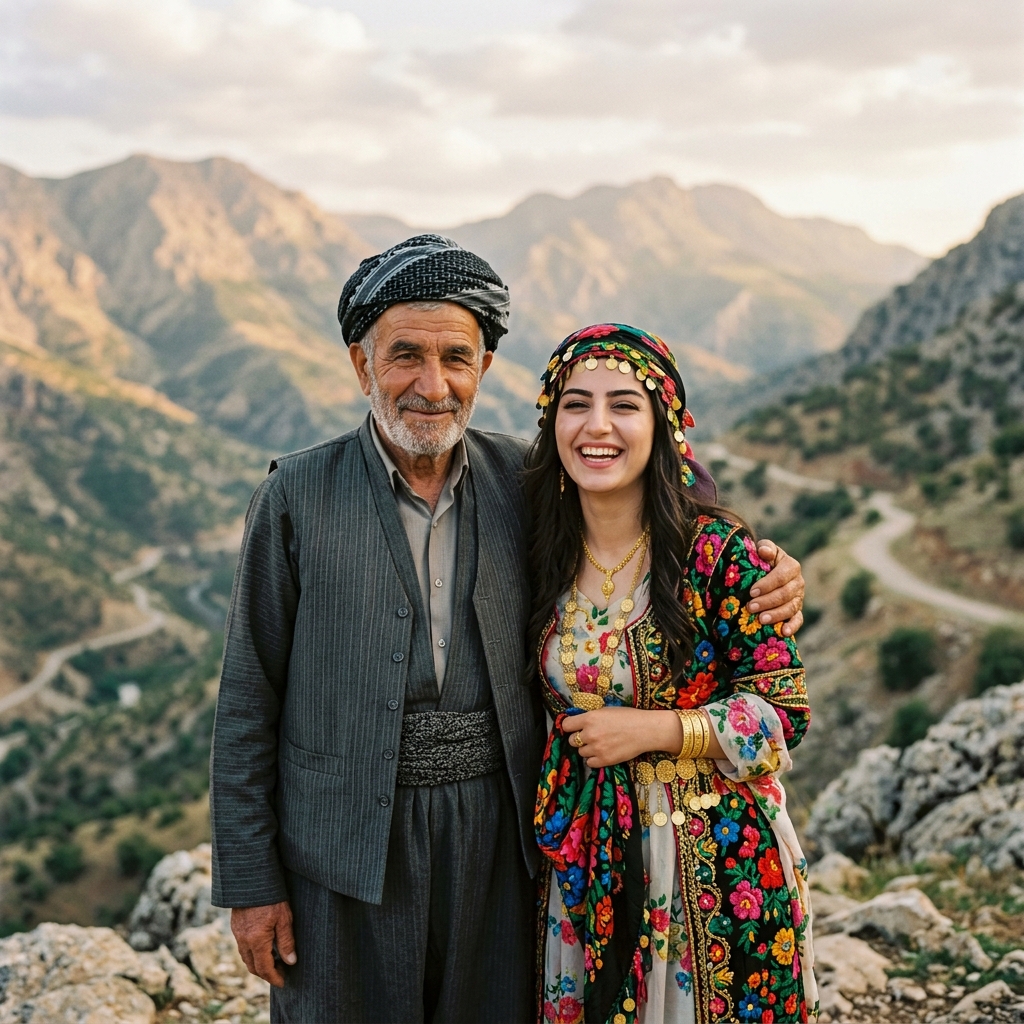
Elders in Kurdistan (*Rîsipî* / "white-bearded wise men" and *Pîrejin* / revered grandmothers) hold a position of supreme honor. Rather than being marginalized, grandparents reside at the center of the household, where their opinions are sought for conflict mediation, matrimonial blessings, and community affairs.

Grandparents are the living archives of Kurdish oral history. Having witnessed historical upheavals, forced migrations, and national triumphs, they transmit unwritten folklore, genealogical genealogies, and classical poetry to grandchildren during long winter evening gatherings (*Şevbuhêrk*).

Honorifics & Societal Role
  • Standing when an elder enters the room and kissing their hand in reverence
  • Elders occupy the seat of honor (*Serê jûrê*) at all banquets
  • Trusted arbiters in resolving local and land disputes (*Rîsipî*)
  • Custodians of ancient natural remedies and herbal medicine

6. Mountain Village Life (Jiyana Gundewarî)

ژیانی گوندەواری — ئاوێتەبوون لەگەڵ سروشتی شاخ و باخ

Kurdish mountain villages (*Gund*) are architectural masterpieces of alpine adaptation. Built in stepped amphitheater tiers into steep granite ridges—such as the terraced settlements of Hawraman, Badinan, and Dersim—the flat stone-and-earth roof of one house serves as the courtyard and pathway for the house above it.

Village life moves in rhythm with the sun and seasons. Dawn begins with the crowing of roosters, fresh cow and sheep milking, and baking flatbread in clay *Tendir* ovens. Villagers practice deep communal cooperation (*Herweze*), sharing irrigation sluices, pasture maintenance, and roof-rolling with stone compactors (*Banger*) before autumn rains.

Daily Village Rhythms
  • Terraced rooftop living and evening stargazing in summer (*Serban*)
  • Dawn baking of crispy *Nane Tenûrê* in communal earthen ovens
  • Shared mountain water spring (*Kaniya Avê*) as social meeting point
  • Seasonal pastoral migration (*Zozan*) to high alpine meadows
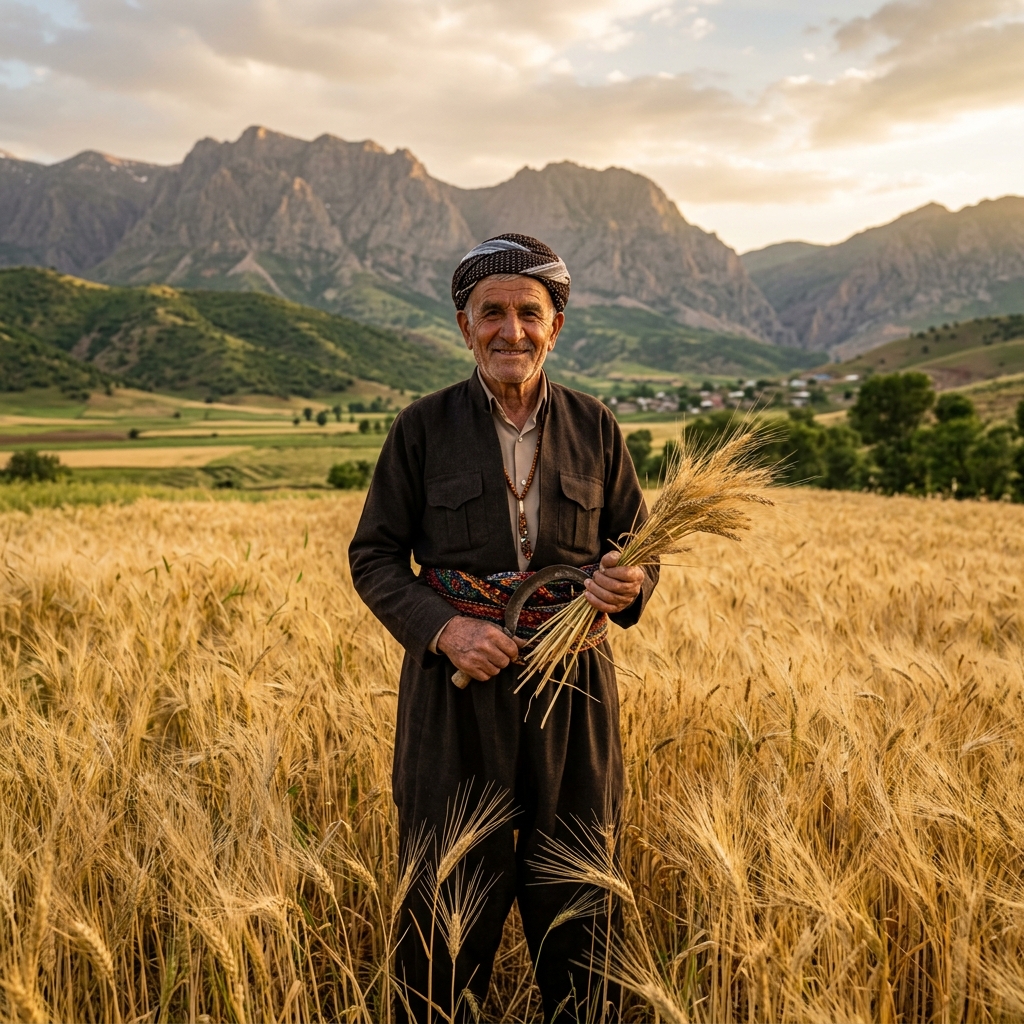
Kurdish Mountain Farmer and Village Life Terraced Mountain Hamlet
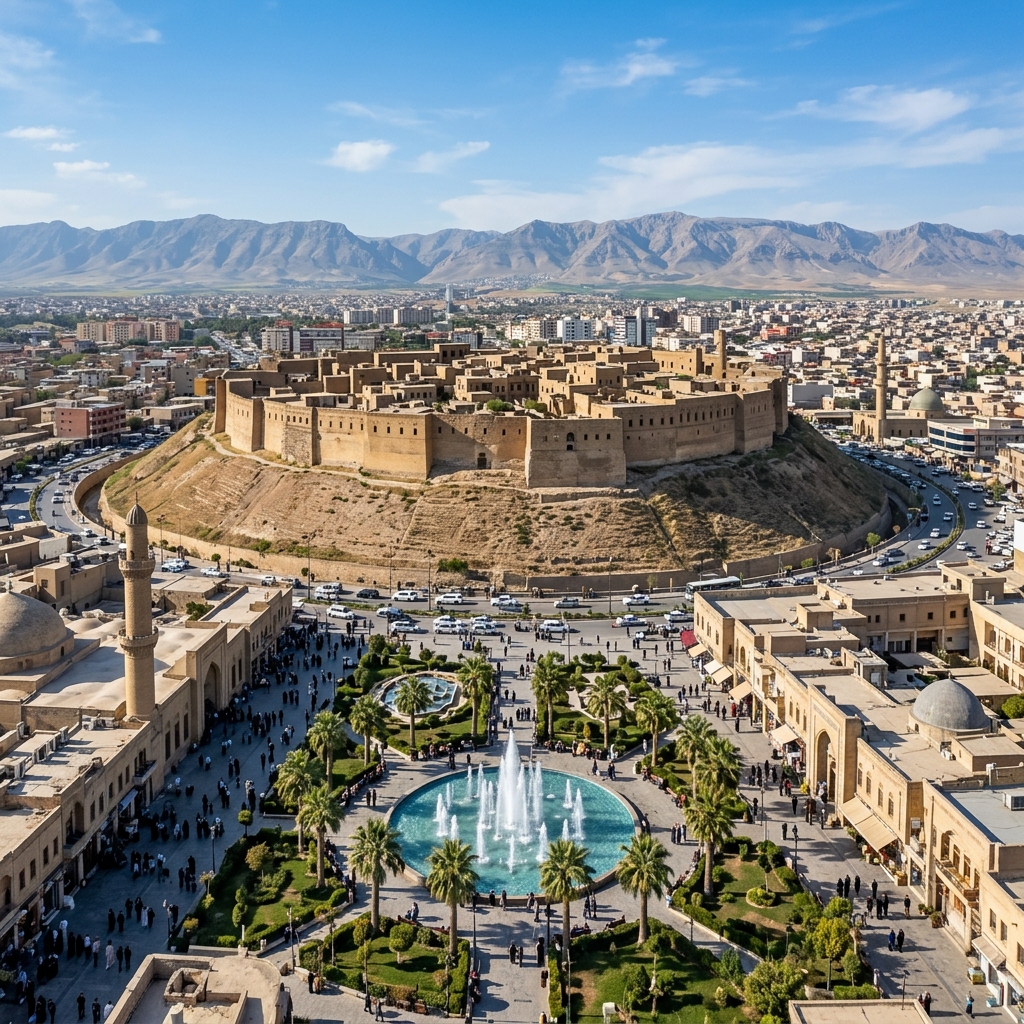
Modern Kurdish City Life Skyline in Erbil Modern Urban Vibrancy

7. City Life & Urban Vibrancy (Jiyana Bajêr)

ژیانی شارنشینی — هاوسەنگیی نێوان مۆدێرنیتە و ڕەسەنایەتی

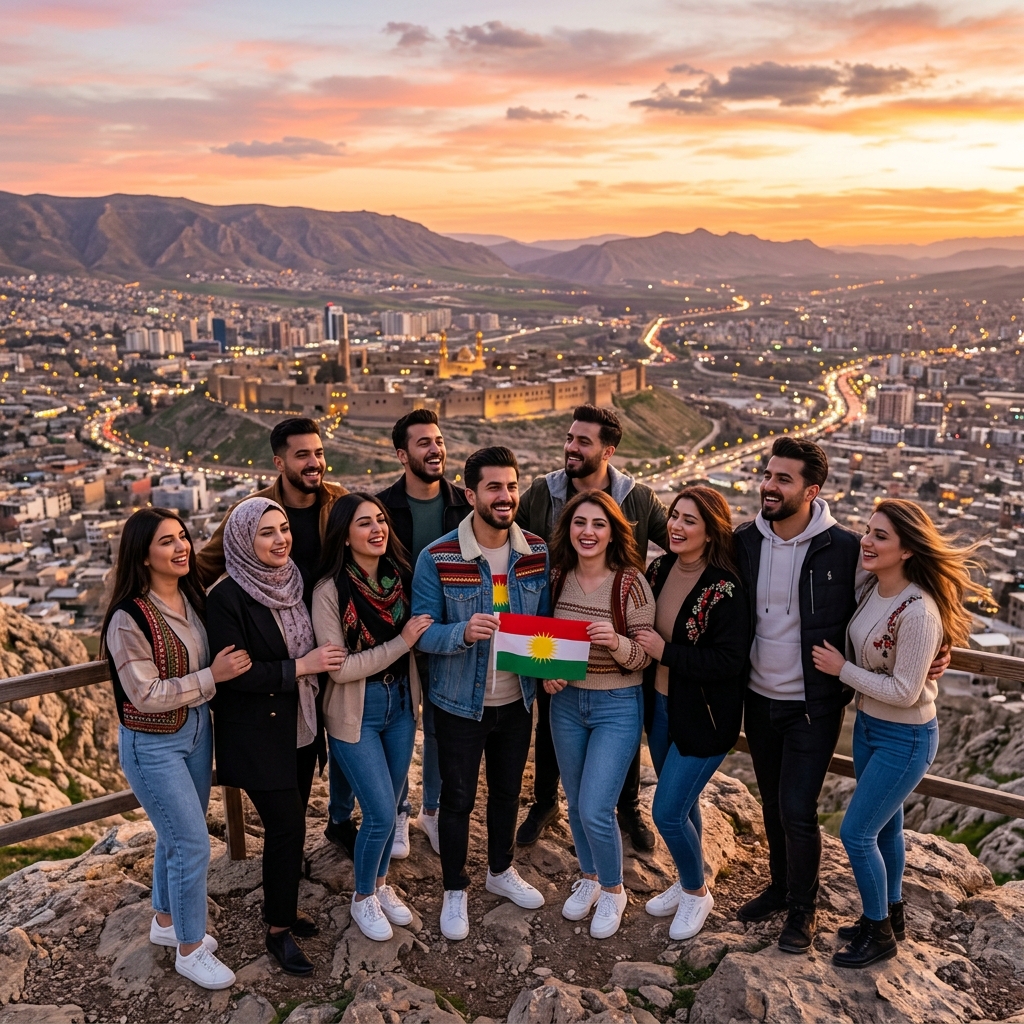
Modern cities across Kurdistan—such as Erbil (Hewlêr), Sulaymaniyah (Silêmanî), Duhok, Diyarbakır (Amed), Sanandaj (Sine), and Qamishli—harmoniously fuse millennial heritage with energetic contemporary urban life. Tree-lined boulevards, dynamic universities, art galleries, and digital tech hubs thrive beneath ancient fortresses.

As dusk falls, city centers transform into bustling public spaces. Families and friends stroll along lively promenades, gathering at park fountains, open-air cafes, bookstores, and rooftop grills to savor grilled kebabs, roasted chestnuts, and live music.

Urban Dynamics & Culture
  • Evening family promenades (*Seyrana Bajêr*) in public plazas and parks
  • Flourishing university campus life and tech innovation spaces
  • Book streets and literary cafes (e.g., Salim Street in Sulaymaniyah)
  • Modern youth blending western trends with traditional Kurdish pride

8. Agriculture, Orchards & Harvests (Çandinî & Rezvanî)

کشتوکاڵ و باخداری — خاکی پڕ پیت و بەرەکەتی زاگرۆس

Kurdistan is located within the ancient Fertile Crescent where human agriculture first originated over 11,000 years ago. Today, the fertile alluvial valleys of Sharazoor, Erbil, Garmian, and the Upper Tigris yield bountiful crops of wheat, barley, chickpeas, and sun-ripened vegetables.

Terraced mountain orchards produce world-renowned sweet pomegranates (*Hinara Helebceyê*), sun-dried black mission figs of Amedi, golden walnuts of Hawraman, and honey-sweet mountain grapes (*Tirî*). Autumn grape harvests turn into communal celebrations as families press juice into aromatic grape molasses (*Doşaw*) and walnut roll strings (*Sucuq*).

Agricultural Specialities & Seasons
  • Famous Halabja ruby pomegranates & Hawraman mountain walnuts
  • Autumn grape pressing for natural grape molasses (*Doşaw*)
  • Foraging wild spring mountain herbs (Rhubarb, Thistle, Wild Garlic)
  • Natural terraced mountain vineyard cultivation without chemicals
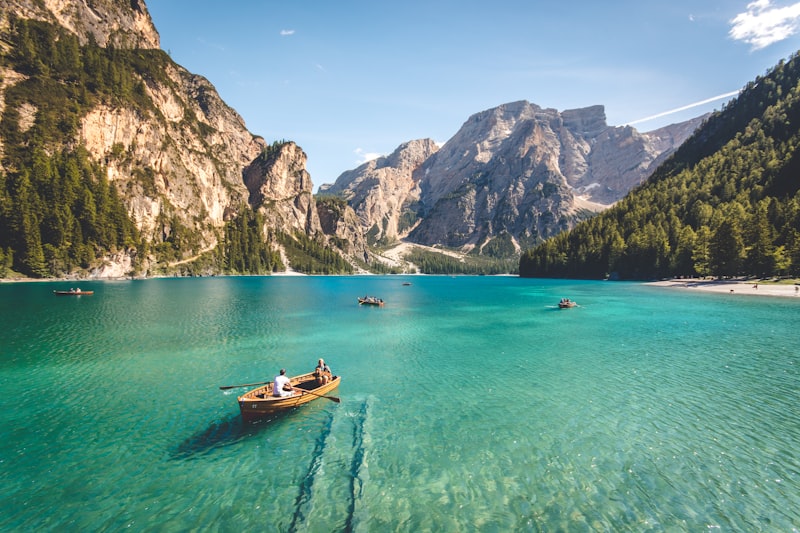
Lush Kurdish Farmland and Lake Dukan Valleys Fertile Crescent Breadbasket
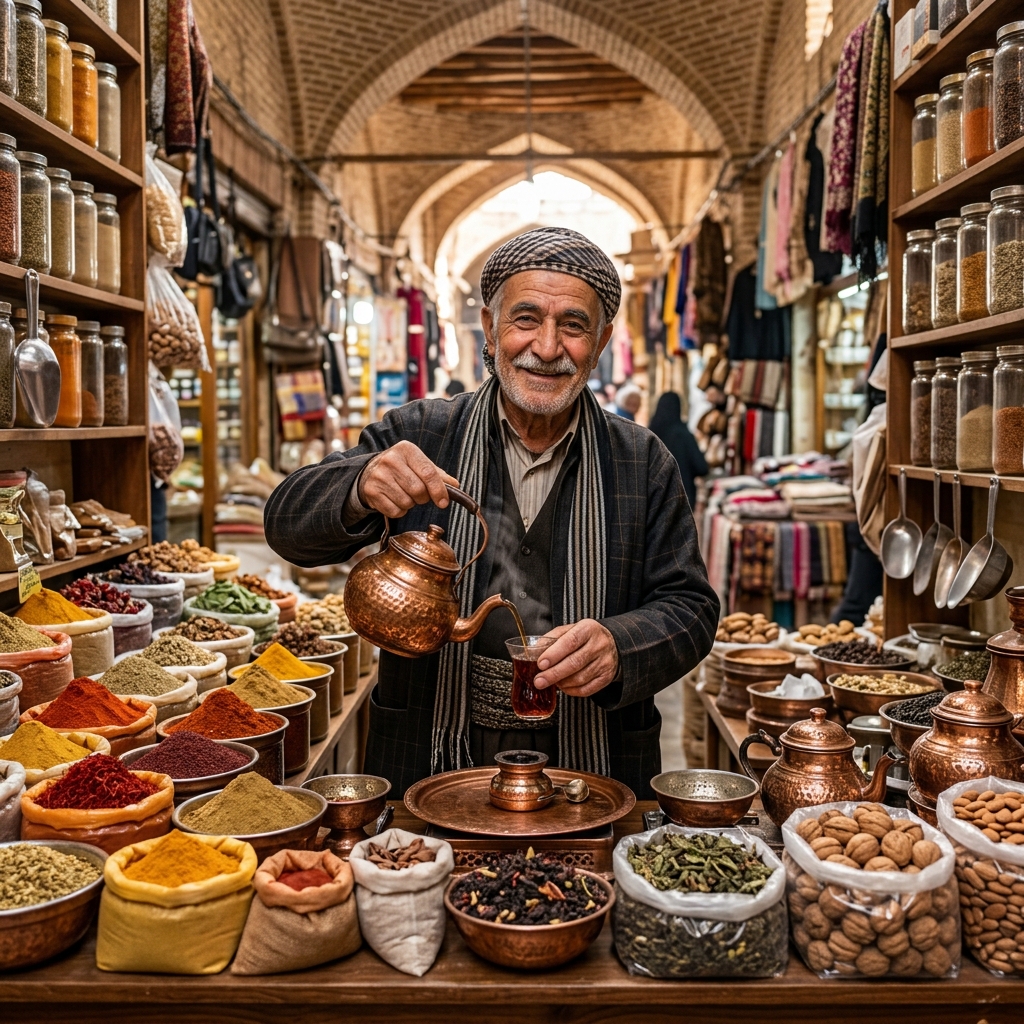
Kurdish Shopkeeper in Historic Qaysari Bazaar Living Trade Hub

9. Historic Bazaars & Markets (Bazar & Qeyserî)

بازاڕ و قەیسەرییە مێژووییەکان — دڵی ئابووری و سەودای کوردەواری

The covered bazaars of Kurdistan—such as the centuries-old Qaysari beneath the Erbil Citadel, the Mawlawi Bazaar of Sulaymaniyah, and the Grand Covered Souks of Sine and Diyarbakır—are the pulsating economic and social epicenters of town life.

Wandering through their vaulted brick alleys, one experiences a sensory symphony: the aroma of freshly ground sumac, mountain thyme, and cardamom; the rhythmic clinking of tinsmiths hammering copper cauldrons; rows of glittering gold jewellery shops; and stalls draped in kaleidoscopic Kurdish silks. Bargaining is conducted with good-natured humor over hot glasses of sweet tea.

Bazaar Culture & Etiquette
  • Morning opening prayer & *Destpêk* (first customer blessing)
  • Warm merchant hospitality—offering tea before discussing price
  • Distinct artisan guild lanes (Jewellers, Coppersmiths, Spice Merchants)
  • Central meeting place for political discourse, news & social connection

10. Tea Culture & Teahouses (Çandina Çayê & Çayxane)

چاند و نەریتی چای خواردنەوە — ڕۆحی چایخانە کۆنەکانی کوردستان

In Kurdistan, black tea (*Çay*) is far more than a beverage; it is the universal social currency and the lifeblood of human connection. Brewed strong with aromatic crushed cardamom pods in double samovars (*Semawer*), tea is served scalding hot in iconic flared hourglass glass cups (*Istikan / Fîncan*) with sugar cubes.

Traditional Kurdish teahouses (*Çayxane* / *Qehwexane*)—such as Sulaymaniyah's famous Çayxaneyê Şab and Erbil's Citadel teahouses—serve as historic civic clubs. Generations of poets, journalists, political organizers, and chess players congregate here daily to debate national affairs, listen to Dengbêj bards, and cement lifelong friendships over endless refills.

Tea Customs & Drinking Etiquette
  • Strong Ceylon leaves brewed with whole green cardamom pods (*Hêl*)
  • Poured into crystal hourglass glasses (*Istikan*) with a ruby crown
  • *Qend*: drinking hot tea through a sugar cube held between the teeth
  • Turning the spoon across the cup rim to signal you have had enough tea
Kurdish Tea Brewing and Teahouse Culture Cardamom Tea Ritual
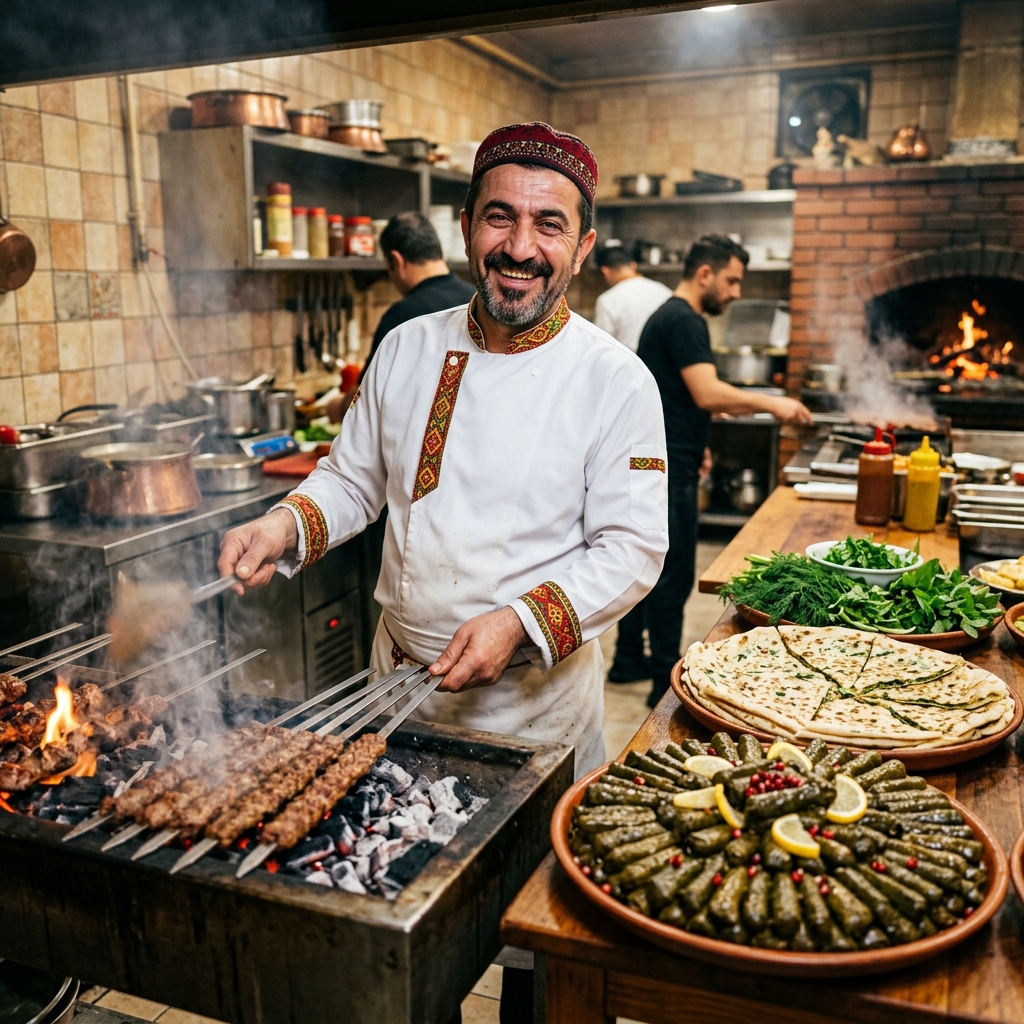
Kurdish Youth and Family Fellowship Gathering Fellowship & Dining

11. Family Gatherings & Hearth Receptions (Civatên Malbatî)

کۆڕ و کۆبوونەوەی خێزانی — دەوری سینی و شەوبینین

Kurdish life reaches its warmest expression during extended family gatherings (*Civat*). Friday lunches and holiday feasts see dozens of cousins, siblings, and grandparents sitting cross-legged around large floor tableaus (*Sofre*).

Immense round silver platters (*Sînî*) piled high with fragrant rice pilaf, slow-roasted lamb shanks, steaming grape-leaf *Yaprax* (Dolma), and fresh garden greens are placed in the center. Dining is communal and unhurried, followed by fruit platters, cracked walnuts, and hours of laughter, storytelling, and musical jam sessions.

Dining Traditions & Fellowship
  • Shared communal dining platter (*Sînî*) symbolizing unity
  • Friday family homecoming banquets hosted in rotation
  • Multi-generational music-making with *Daf*, *Tembor*, or *Setar*
  • Winter hearth storytelling nights (*Şevbuhêrk*) around the *Tendir*

12. Seasonal Celebrations & Spring Picnics (Ceژن & Seyran)

جەژن و سەیرانی بەهارە — ڕژانە سەر سروشتی دڵڕفێنی نیشتمان

When spring carpets the Zagros mountains in emerald grasses, scarlet wild poppies, and cascading snowmelt streams, the people of Kurdistan engage in their favorite national pastime: Seyran (outdoor alpine picnics). Whole neighborhoods pack pots of stuffed vine leaves, skewered kebabs, and portable samovars into vehicles and head into the mountain valleys.

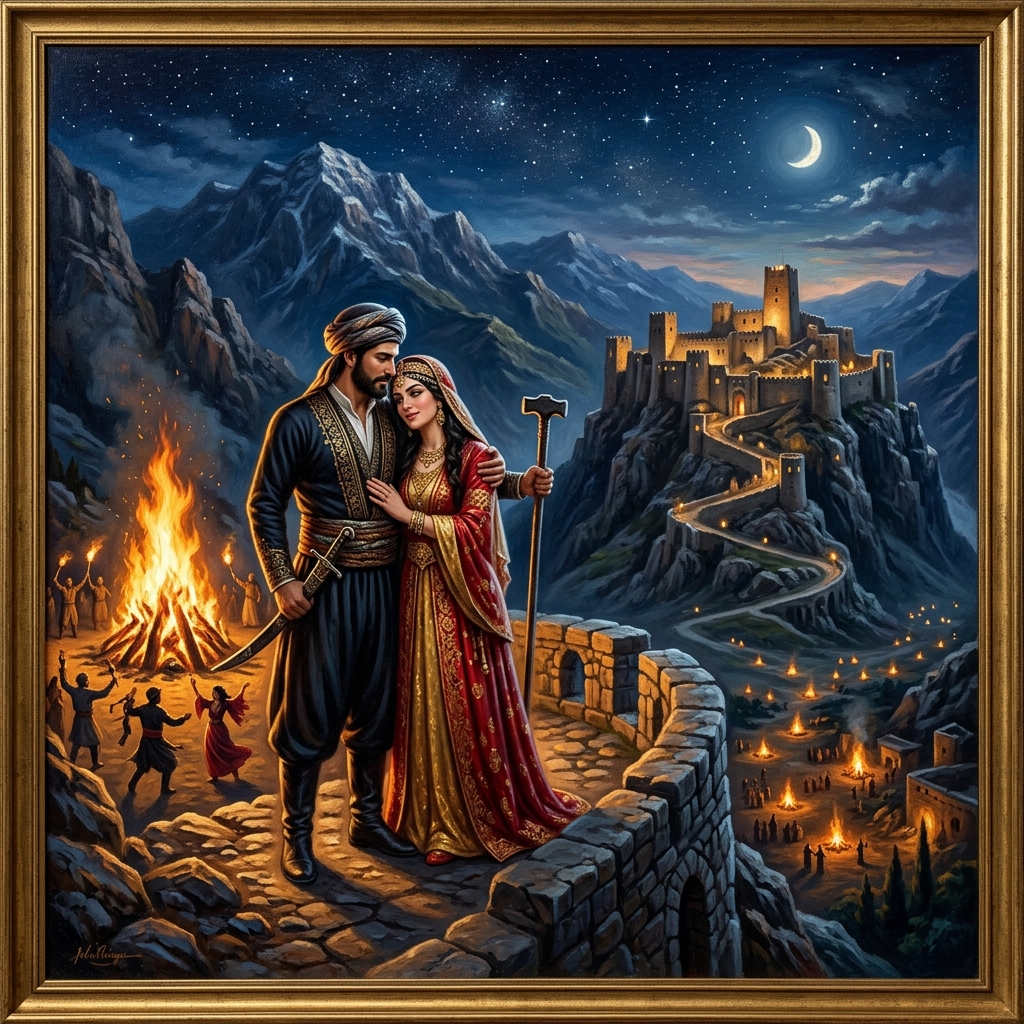
From the colossal Newroz celebrations of March 21 with mountainside torchlit processions to autumn harvest feasts, traditional celebrations are vibrant, outdoor, music-infused, and universally inclusive—reflecting the deep love Kurds hold for their mountainous homeland.

Seasonal Rites & Festivals
  • Mass spring *Seyran* picnics across mountain valleys & waterfalls
  • Newroz vernal equinox celebrations and mountain beacon bonfires
  • Outdoor *Govend* circle dances danced on alpine grass
  • Roasting fresh green almonds, pistachios, and barbecued sweet meats
Kurdish Spring Celebration and Newroz Festivities Living Joy & Heritage

Continue Exploring Kurdistan

Discover traditional attire, ancient cities, linguistic dialects, musical traditions, and living culture across Kurdistan.