Living Oral Heritage & Literature

Kurdish Stories & Folklore

چیرۆک، ئەفسانە و فۆلکلۆری کۆنی کوردستان — لە سەردەمی کاوە تا دەنگبێژەکان

For thousands of years, the collective soul of Kurdistan has been safeguarded in the oral narratives of mountain bards, village elders around the winter hearth, and classical poets. Explore timeless folk tales, epic romances, sacred legends, and ancestral proverbs passed through generations.

Category 01

Kurdish Folk Tales (Çîrokên Gelêrî)

چیرۆکە فۆلکلۆری و میللییە کۆنەکانی گەل

Witty, moral, and earth-centered fables told across pastoral Zagros valleys to impart ethical resilience, sharp intellect, and humility over brute force.

The Wise Miller and the Mountain Bear Mountain Fable

The Wise Miller and the Mountain Bear

ئاشوانە ژیرەکە و ورچی چیا — Aşvanê Zana û Hirça Çiyayî

High in the terraced gorge of Hawraman, an elderly miller named Mam Xidir operated a wooden watermill (*Aşê Avî*). One freezing winter twilight, an enormous brown bear descended from the snow-covered cliffs, lured by the scent of freshly ground barley. Rather than fleeing or reaching for his flintlock rifle, the wise miller calmly offered the starving beast a hot loaf of flatbread dipped in wild honey.

The grateful bear bowed its massive head, fed peacefully, and vanished into the fir trees. Weeks later, when a catastrophic avalanche roared down the gorge threatening to crush the village watermill, the same bear dug frantically through the ice pack to redirect the frozen debris away from the mill's sluice gates—saving Mam Xidir and the winter bread supply of the entire valley.
Kalo and the Mountain Wolf

کالۆ و گورگی چیا — Kalo û Gurê Çiyayî

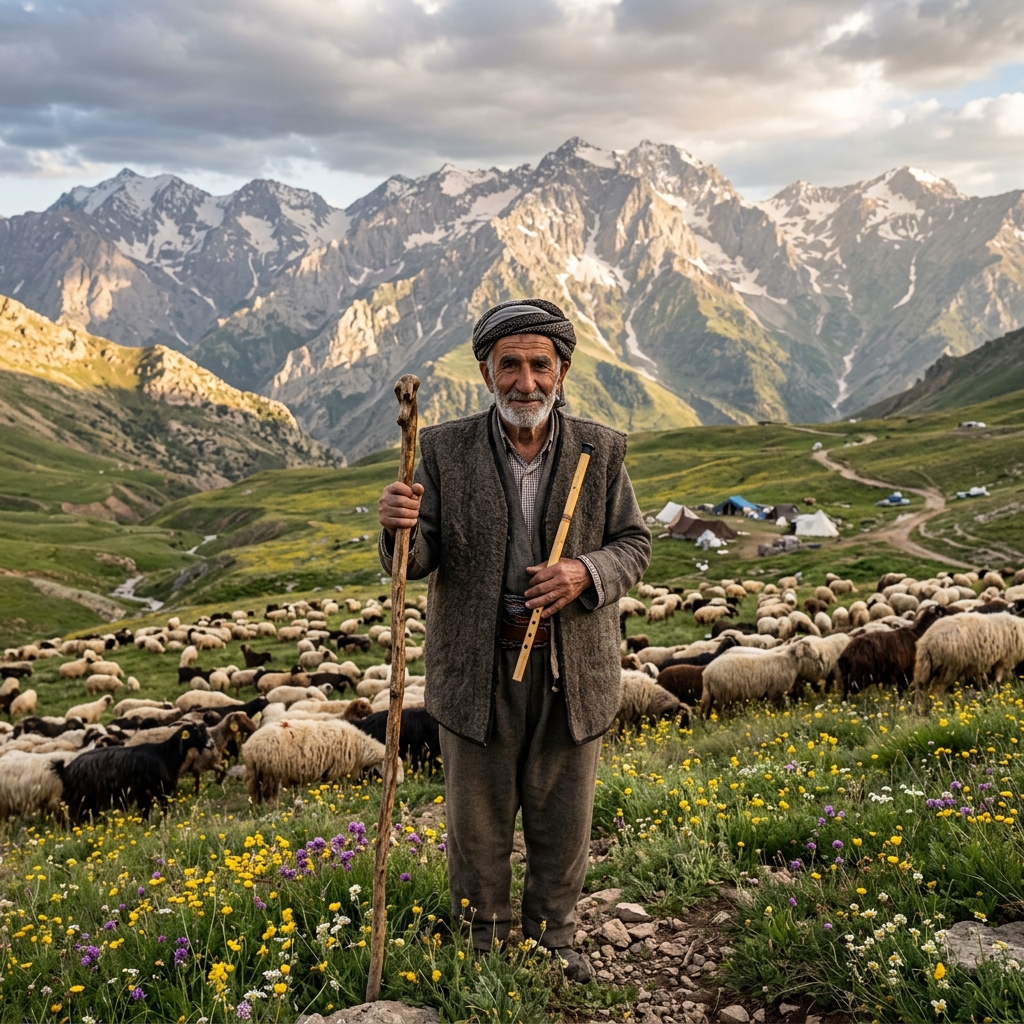
In the rugged cliffs of Badinan, an aged shepherd named Kalo was cornered at sunset by a ravenous gray mountain wolf. Knowing he lacked the strength to fight, Kalo produced his shepherd's reed flute (*Bilûr*) and asked for a final dying request: to play one last melody for the mountains he loved.

The wolf agreed and sat back to listen. Kalo played a sharp, rhythmic highland warning tune that carried across the mountain ravines. Down in the valley, his three fierce Kangal shepherd dogs recognized their master's alarm cadence, sprinted up the cliffs, and drove the wolf into the wilderness before a single sheep was harmed.

Kalo the Shepherd and his Flute Shepherd Lore
Category 02

Legends & Mythology (Efsane û Mîtolojî)

ئەفسانە و میتۆلۆژیای کۆنی زاگرۆس و نەورۆز

Foundational national epics of liberation, primordial volcanic peaks, and blacksmith uprisings that forged the Kurdish spirit of unyielding independence.

The Epic Legend of Kawa the Blacksmith Newroz Epic

Kawa the Blacksmith & The Fire of 612 BC

کاوەی ئاسنگەر و ئاگری ڕزگاری — Kawayê Hesinkar

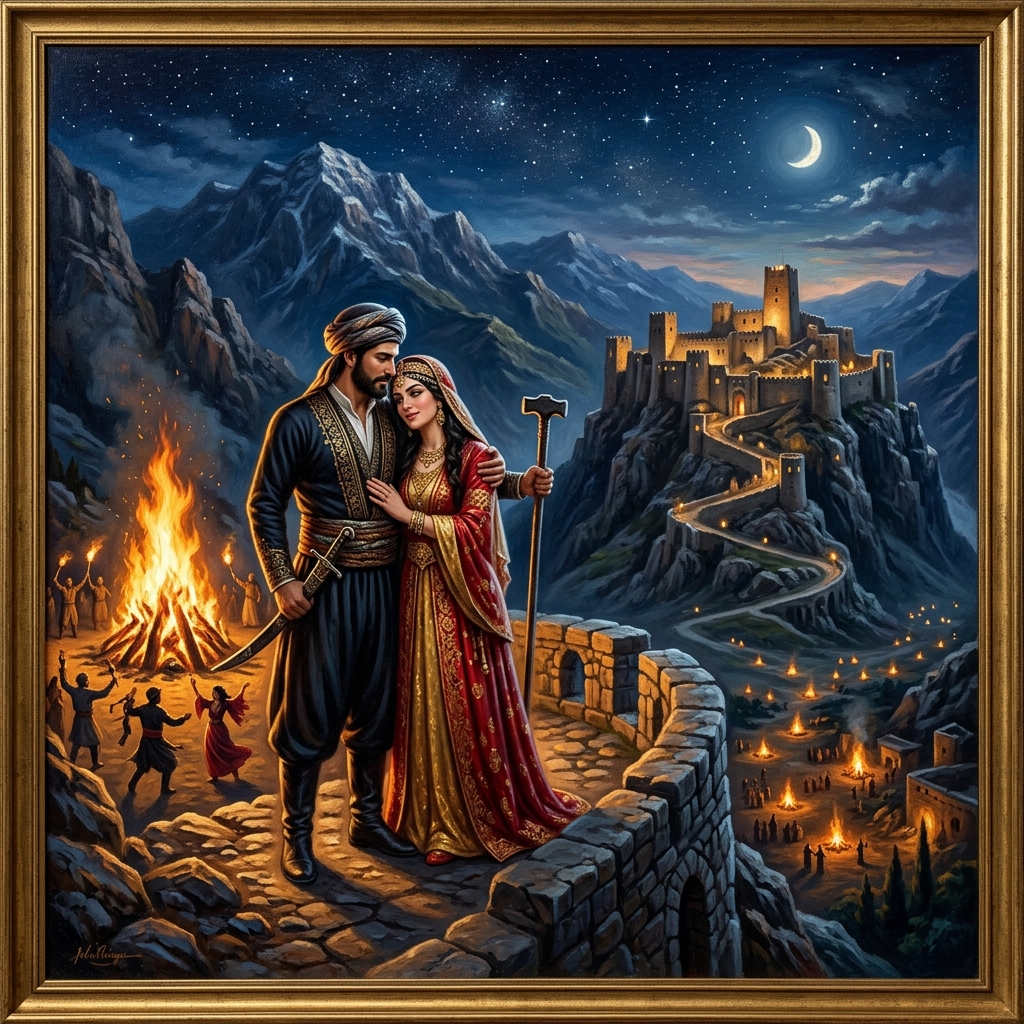
In ancient Mesopotamia, a tyrannical king named Zuhak (Dehaq) was afflicted with two serpents growing from his shoulders that required the daily sacrifice of two Kurdish youths. When the royal guard came to seize the eighth and final child of Kawa the Blacksmith (*Kawayê Hesinkar*), Kawa refused to surrender to despair.

Inside his forge, Kawa secretly hammered iron ploughshares into battleaxes and swords. On the vernal equinox of March 21, 612 BC, Kawa hoisted his leather blacksmith apron as a banner of revolt (*Dirafşa Kawa*), led the mountain youth into the tyrant's citadel, and struck Zuhak down with his heavy sledgehammer. Kawa climbed the highest stone battlements and kindled a colossal bonfire that signaled freedom across the Zagros peaks—birthing the celebration of Newroz.

The Sacred Dialogue of Mount Sîpan & Mount Ararat

دیالۆگی پیرۆزی چیای سیپان و ئاگری — Efsaneya Sîpan û Agirî

Kurdish mythology tells that during the dawn of creation, the colossal snowcapped volcanic mountains of Serhed—Mount Sîpan and Mount Ararat (*Çiyayê Agirî*)—were twin celestial brothers stationed as the immortal pillars of the earth. When foreign conquerors marched across Mesopotamia, the mountains communicated through thunderclaps and drifting cloud plumes.

Sîpan shielded the highland hunters with impenetrable blizzard mists, while Ararat unleashed subterranean volcanic rumbles to frighten imperial armies. The elders say that as long as the snow crowns of Sîpan and Ararat shine white in the morning sun, the Kurdish nation will endure undefeated in their ancestral highlands.

Mount Sipan and Mount Ararat Highlands Mountain Mythology
Category 03

Proverbs & Ancestral Wisdom (Pendên Pêşiyan)

پەند و وتەی پێشینانی کورد — کانیاوی دانایی باوباپیران

Distilled philosophical insights honed over thousands of years of survival, communal honor, hospitality, and mountain vigilance.

بێ چیا هیچ هاوڕێیەکی ترمان نییە
"Bê çiya tu heval nînin."
"No friends but the mountains."

The definitive historical proverb of Kurdish geopolitics. Emphasizes self-reliance, vigilance, and the enduring refuge provided by the alpine topography throughout centuries of imperial betrayal.

Pan-Kurdistan Sovereignty
دەستی بە تەنیا دەنگی لێ نایەت
"Destê bi tenê deng jê nayê."
"One hand alone cannot produce a clap."

Unity and communal solidarity (*Herweze*) are essential. An isolated individual cannot overcome great historical crises without the collective strength of the community.

Sorani & Kurmanji Solidarity
ماڵی بێ گەورە، وەک دێی بێ ڕێبەرە
"Mala bê mezin, wek gundê bê rêber e."
"A home without elders is like a village without a guide."

Veneration for the elderly as the living moral anchors and oral historians of the family and clan structure.

Hawrami & Sorani Family Honor
نان و دۆ، بە سەربەرزی
"Nan û do, bi serbilindî."
"Dry bread and yoghurt with dignity is better than a king's banquet in shame."

Honor (*Şeref / Namûs*) and personal integrity transcend material riches. Living free on modest mountain fare is infinitely superior to servitude in luxury.

Botan & Badinan Dignity
دیوار گوێی هەیە، کەندڕ چاوی هەیە
"Dîwar heye guh heye, kendir çav heye."
"Walls have ears, cliffs have eyes."

A counsel of deep discretion and strategic discipline when discussing matters of defense, family secrets, or political struggle in times of occupation.

Zazaki & Kurmanji Vigilance
نانی پیاو لەسەر پشتی پیاوە
"Nanê mêran li ser pişta mêran e."
"An honorable person's bread is earned on their own back."

Work ethic and honest labor. Independence is only achieved through the sweat of one's own brow rather than dependency on handouts or foreign patronage.

Mukriyan & Erbil Work Ethic
Category 04

Children's Stories & Bedtime Fables (Çîrokên Zarokan)

چیرۆکە شیرینەکانی شەوانە بۆ منداڵان

Imaginative animal allegories and magical fairy tales whispered by grandmothers to instill kindness, honesty, and bravery in young hearts.

The Cunning Fox and the Mountain Partridge Bedtime Fable

The Red Fox and the Mountain Partridge (Rovî û Kew)

ڕێوی و کەوی چیا — Rovî û Kewê Çiyayî

Atop a rocky oak tree in Badinan, a beautiful mountain partridge (*Kew*) was singing its melodic song. A cunning red fox (*Rovî*) padded beneath the branches and called up sweetly: "O lovely bird! Have you not heard the great decree? All animals have signed a peace pact—no hunter shall harm prey, and foxes now embrace partridges as brothers! Fly down so we may walk together in friendship!"

The clever partridge stretched its neck, gazed into the distance, and smiled: "Ah, what glorious news! Look, three hunting hounds are running toward us full speed to join our peace celebration!" Terrified, the fox spun around to sprint away. "Wait!" called the partridge, "Why do you run if peace is signed?" The fox panted over his shoulder: "Perhaps those hounds have not yet heard the news!" and bolted into the brush.

Category 05

Immortal Poems & Verses (Helbestên Nemir)

شاکارە شیعری و غەزەلە نەمیرەکانی ئەدەبیاتی کوردی

Sublime classical poetry expressing spiritual ecstasy, homeland nostalgia (*Xerîbî*), and patriotic yearning for self-determination.

Ehmede Xani Classical Kurdish Poetry Classical Epic (1692)

Ehmedê Xanî's Invocation of National Unity

نزا و هاواری ئەحمەدی خانی بۆ یەکڕیزی گەل — Ehmedê Xanî (Mem û Zîn)
گەر دێ هەبوا مە ئیتیفاقەک
ڤێکڕا بکرا مە ئینقییادەک
ڕۆم و عەرەب و عەجەم تەمامی
هەمیان ژ مە ڕا دکر غولامی
"If only there were concord among us,
If we stood united as one accord,
The Romans, Arabs, and Persians alike
Would all show homage to our sovereign word."

Penned in 1692 in Cizîra Botan in the philosophical prologue to Mem û Zîn, Ehmedê Xanî became the first philosopher-poet of the Middle East to diagnose the catastrophic danger of internal division and articulate an urgent vision for Kurdish linguistic, literary, and national sovereignty.

Nalî's Letter to Salim — The Longing for Sulaymaniyah

نامەی نالی بۆ سالمی هاوڕێی لە تاراوگەوە (١٨٥١)
قوربانی تۆزی ڕێگەتم ئەی بادی خۆش مروور
ئەی پەیکی شارەزا بە هەموو شاری شارەزوور
ئایا مەقامی ڕەنگینی باخی میر ماوە؟
یان شاری سولەیمانی بە غەم داپۆشراوە؟
"I am a sacrifice to the dust of your path, O gentle mountain breeze,
You expert messenger who knows every road of Sharazoor,
Tell me: does the colorful sanctuary of the Emir's garden still flourish,
Or has the proud city of Sulaymaniyah been cloaked in sorrow?"

Written in 1851 from Damascus during Nalî's painful exile following the collapse of the Baban Principality. The poem is an immortal masterpiece of nostalgia (*Xerîbî*), addressing the morning wind as a courier to deliver longing to the stone streets and springs of Sulaymaniyah.

Sulaymaniyah City and Mount Goyzha Baban Poetic Elegy
Category 06

Epic Love Stories (Çîrokên Evînê)

داستانی ئەوینداری و دڵدارییە مەزنەکانی مێژوو

Legendary romances where romantic passion transcends mortality, defying clan feuds, treacherous courtiers, and precipitous mountain chasms.

Mem and Zin Epic Romance National Romance

Mem û Zîn — The Ultimate Kurdish Romance

مەم و زینی جزیری — داستانی نەتەوەیی دڵداری

During the grand Newroz festivities in Cizîra Botan, Prince Mem of the Alan clan and Princess Zîn, sister of Emir Zeyniddin, catch sight of one another and fall into an all-consuming, mystical love. Their pure devotion is thwarted by the deceitful courtier Bekir (Beko), who poisons the Emir's mind with lies of treason.

Mem is thrown into the deep dungeon of Cizîr Fortress, where he languishes in steadfast loyalty. When Zîn is finally permitted to visit him, Mem dies in her arms from sorrow. Overcome with grief, Zîn collapses over his grave and perishes. The people execute the traitor Beko; according to legend, a thorny bramble grew from Beko's blood between the twin rosebushes of Mem and Zîn, forever attempting to block their eternal embrace in the afterlife.

Siyabend û Xecê — The Hunter's Tragic Vow

سیابەند و خەجێ — داستانی کۆچەری و ڕاوچی چیا

Siyabend of the Silîvî tribe was the greatest archer and hunter in the Zagros. Driven by love for Xecê, daughter of a powerful chieftain, the two eloped into the alpine crags of Mount Sîpan. While resting near a dizzying cliff, Siyabend pursued a majestic stag to provide meat for his bride.

The wounded stag charged in panic, goring Siyabend and tumbling him over the sheer abyss, where he landed impaled on a lone mountain ash tree protruding from the cliffside. As Siyabend sang his dying farewell ballad up to Xecê, she refused to exist in a world without him, leaped from the precipice into the chasm, and united with him in eternity.

Siyabend and Xece Mount Sipan Cliffs Dengbêj Ballad
Shirin and Farhad Bisotun Mountain Carvings Granite Sculptor Epic

Şîrîn û Feryad (Farhad & Shirin) — The Stone Carver of Mount Bisotun

شیرین و فەرهاد — تاشینی شاخی بێستوون بۆ ئەوین

In ancient Kermanshah, the master stone sculptor Feryad fell deeply in love with Princess Şîrîn. The imperial Persian monarch Khosrow, who also coveted Şîrîn, set Feryad an impossible test: to carve a navigable canal straight through the solid granite mountain of Bisotun to bring mountain spring water to Shirin's palace.

Driven by pure passion, Feryad struck the granite day and night with his chisel, causing the mountain to sing and carving the reliefs that still adorn Bisotun. Seeing that Feryad would succeed, the king sent a false messenger telling Feryad that Shirin had died. Devastated, Feryad threw his iron hammer into the air and perished as it fell upon him—an eternal monument to sacrificial love.

Category 07

Mountain Stories (Çîrokên Çiyayan)

چیرۆک و بەسەرهاتی سەختییەکانی ژیانی سەر چیا

Dramatic encounters with blizzard passes, wild Persian leopards, roaring waterfalls, and the timeless code of mountain survival.

The Persian Leopard of Qandil Range Alpine Wilderness

The Snow Leopard of Qandil (Pilingê Qendîlê)

پڵینگی قەندیل — پارێزەری شاخە بەفرینەکان

During a ferocious winter storm on the high plateaus of Mount Qandil, a young shepherd boy named Alan was separated from his flock as snowdrifts engulfed the trails. Seeking refuge inside a dark limestone cavern, Alan found himself face to face with an elusive Zagros snow leopard sheltering her two cubs.

Remembering his grandfather's teaching that mountain predators recognize fear and respect, Alan quietly sat in the corner without brandishing a weapon and shared a piece of dried lamb (*Qawirma*). For two days while the blizzard raged, the leopard shared the cave's warmth with the boy. When search parties arrived with torchlights, the leopard quietly slipped into the alpine mist, leaving Alan alive and unharmed.

Category 08

Village Stories & Communal Solidarity (Çîrokên Gundewarî)

چیرۆکی گوند و هەرەوەزی جوتیارانی کوردستان

The inspiring traditions of mutual aid, collective wheat harvests, and communal irrigation that have bound Kurdish rural villages together for millennia.

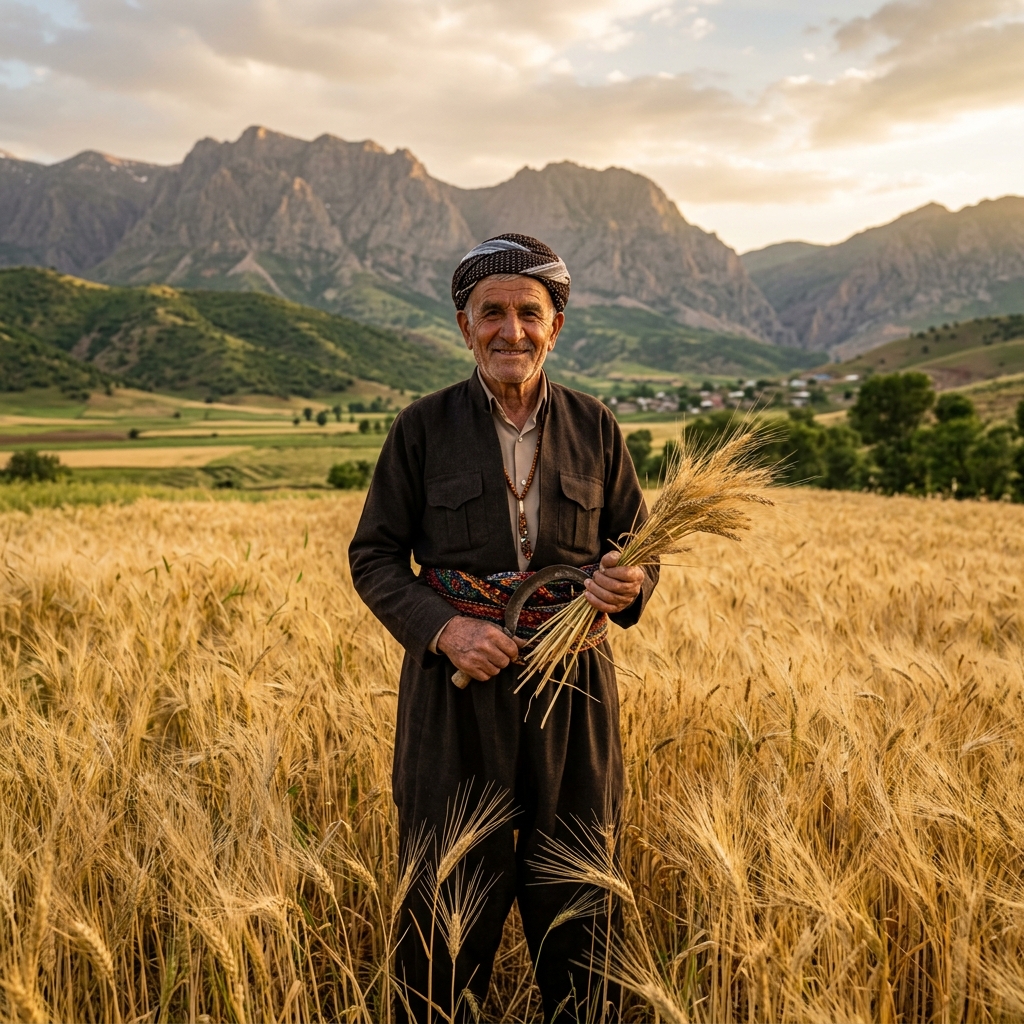
Communal Wheat Harvest Herweze Communal Aid

The Legend of Herweze — The Village That Never Hungered

هەرەوەز — کلتووری پشتیوانی و یارمەتیدانی جوتیاران

In the fertile plain of Sharazoor, the ancient tradition of Herweze (or Gewran / Komell) dictates that when any farmer falls ill or a widow's field is ready for harvest, the entire village gathers at sunrise with sickles, threshers, and song.

One scorching summer, when locusts threatened the southern edge of the plain, the villagers did not harvest their own fields first. Instead, they formed a human chain across the elderly and disabled villagers' plots, reaping and bagging hundred of bushels before the swarms arrived. By evening, giant pots of spiced bulgur and lamb were shared in the village square, proving that no family starves when the community acts as one body.

Category 09

Family Traditions & Hearth Lore (Dabûnerîtên Malbatî)

دابونەریتی خێزانی و شەوبینینی دەوری تەندرو کوانوو

The intimate cultural rituals of hospitality (*Mêvanwerî*), winter storytelling nights (*Şevbuhêrk*), and the blessing of handmade infant cradles.

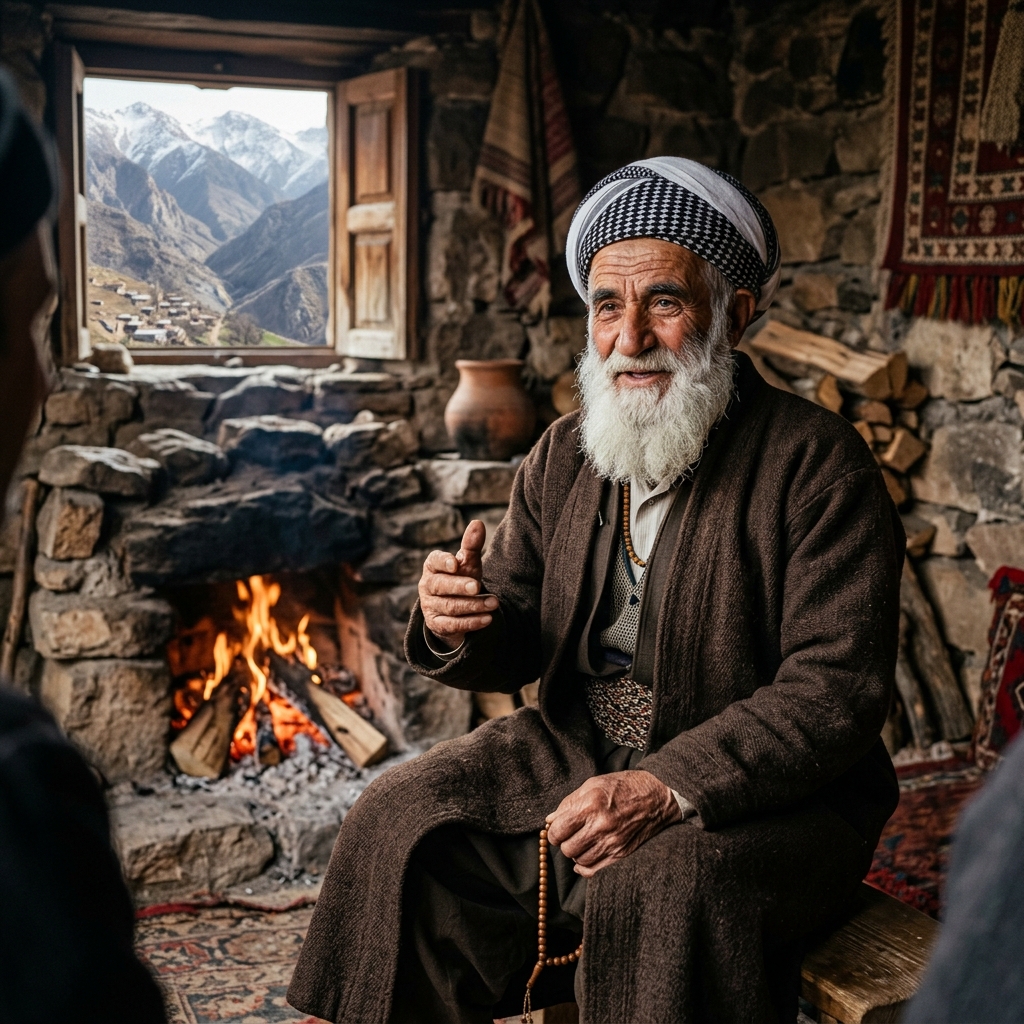
Grandparent narrating stories around the hearth Hearth Gathering

Şevbuhêrk: The Sacred Winter Night Around the Tendir

شەوبینین و چیرۆکبێژیی دەوری تەندرو کانوون — Şevbuhêrk

When winter snows bury the mountain stone houses up to their cedar roofbeams, Kurdish life turns inward around the warm earthenware hearth (*Kox / Tendir*). Families, neighbors, and passing travelers gather cross-legged on handwoven kilims for Şevbuhêrk—the night-sitting.

Steaming cups of cardamom tea (*Çay*) and bowls of roasted pumpkin seeds and wild walnuts are passed around. Grandparents recite centuries-old riddles (*Metelok*), historical sagas of tribal resistance, and genealogical lineages, ensuring that children absorb their native mother tongue, moral code, and national history directly from the elders' lips.

Category 10

Oral History & The Dengbêj Tradition (Dîroka Devkî)

دەنگبێژی و مێژووی دەماودەمی نەتەوەیەکی بێ قەڵەم

The unwritten living encyclopedia of Kurdish history, battles, grief, and heroic triumphs preserved in the rhythmic, unamplified vocal cords of master Dengbêj bards.

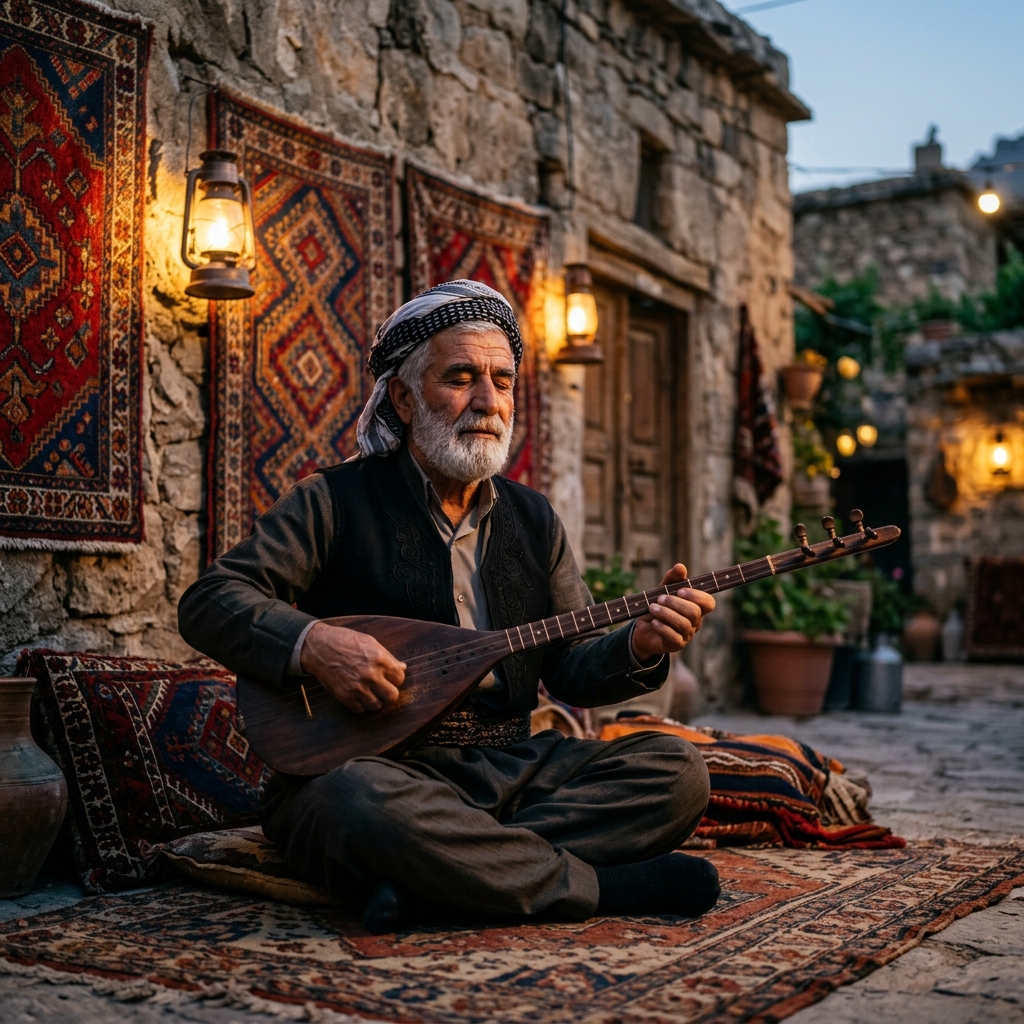
Master Kurdish Dengbej Oral Historian
UNESCO Intangible Heritage

The Memory Keepers: The Power of the Dengbêj

دەنگبێژ — سینگ و دەنگی پارێزەری مێژووی کورد

A Dengbêj (literally "one who speaks with voice") is neither a mere singer nor a storyteller; they are the living archives of a people whose written history was systematically suppressed. Without instruments or sheet music, a master Dengbêj holds one hand to their ear to capture internal resonance, singing complex metric Kilams continuously for hours—recounting battles, migration tragedies (*Kocberî*), natural disasters, and immortal romances with photographic memory.

Master Figures: Evdalê Zeynikê, Şakiro, Reso, Karapêtê Xaço, Meryem Xan
The Epic Siege of Dimdim Castle Historic Epic (1609)

The Epic of Dimdim Castle (Kela Dimdim)

داستانی قەڵای دمدوم و ئەمیری خان لەپزێڕین (١٦٠٩)

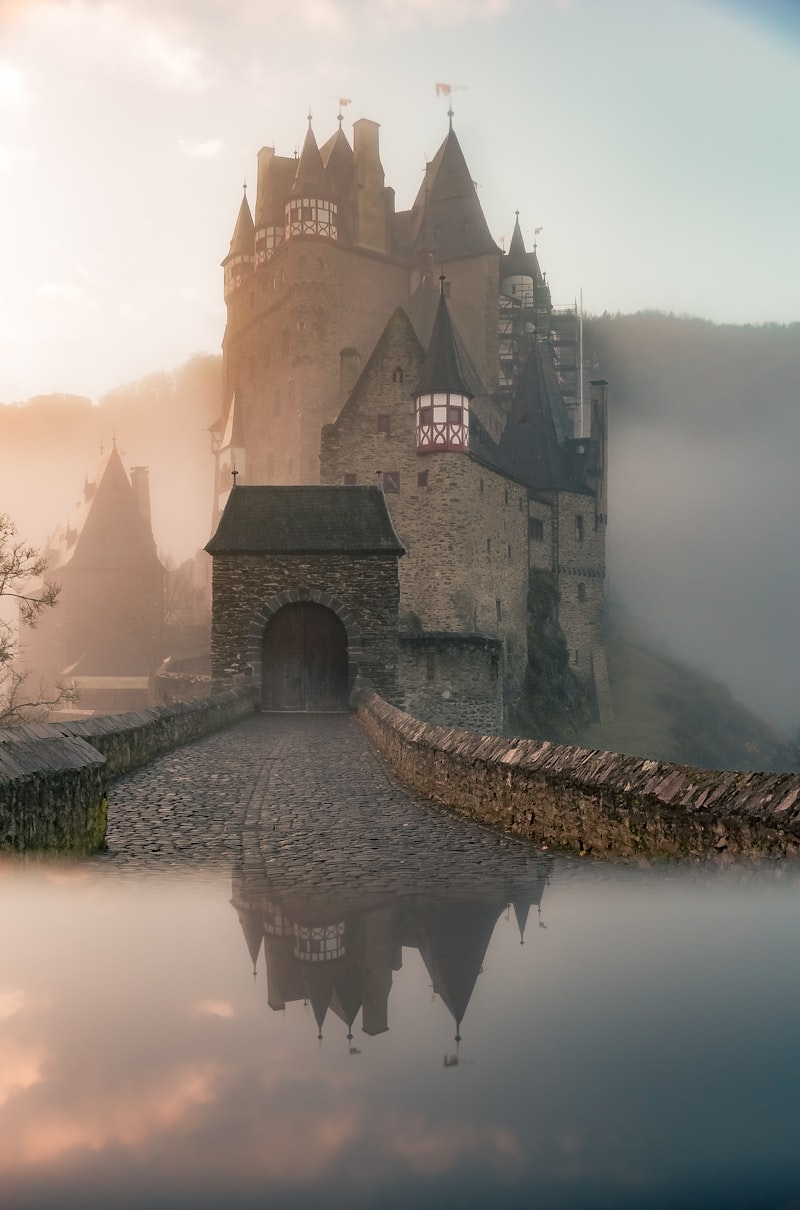
In 1609, near the western shores of Lake Urmia in Bradost, Kurdish prince Amir Khan Lepzerin ("The Golden-Handed", so nicknamed for a gold prosthetic hand after losing his limb in battle) rebuilt the ancient fortress of Dimdim to protect his people's sovereignty from imperial conquest.

The Persian Safavid ruler Shah Abbas dispatched a massive royal army equipped with siege artillery to crush the citadel. For over a year, Amir Khan and his garrison of men and women warriors repelled dozens of assaults. When their water channels were poisoned and ammunition was exhausted, rather than surrendering to imperial subjugation, the defenders charged out into the enemy ranks sword-in-hand to die free on their own land—immortalized forever in Dengbêj song.

Continue Exploring Kurdistan

Discover traditional attire, ancient cities, linguistic dialects, musical traditions, and living culture across Kurdistan.