


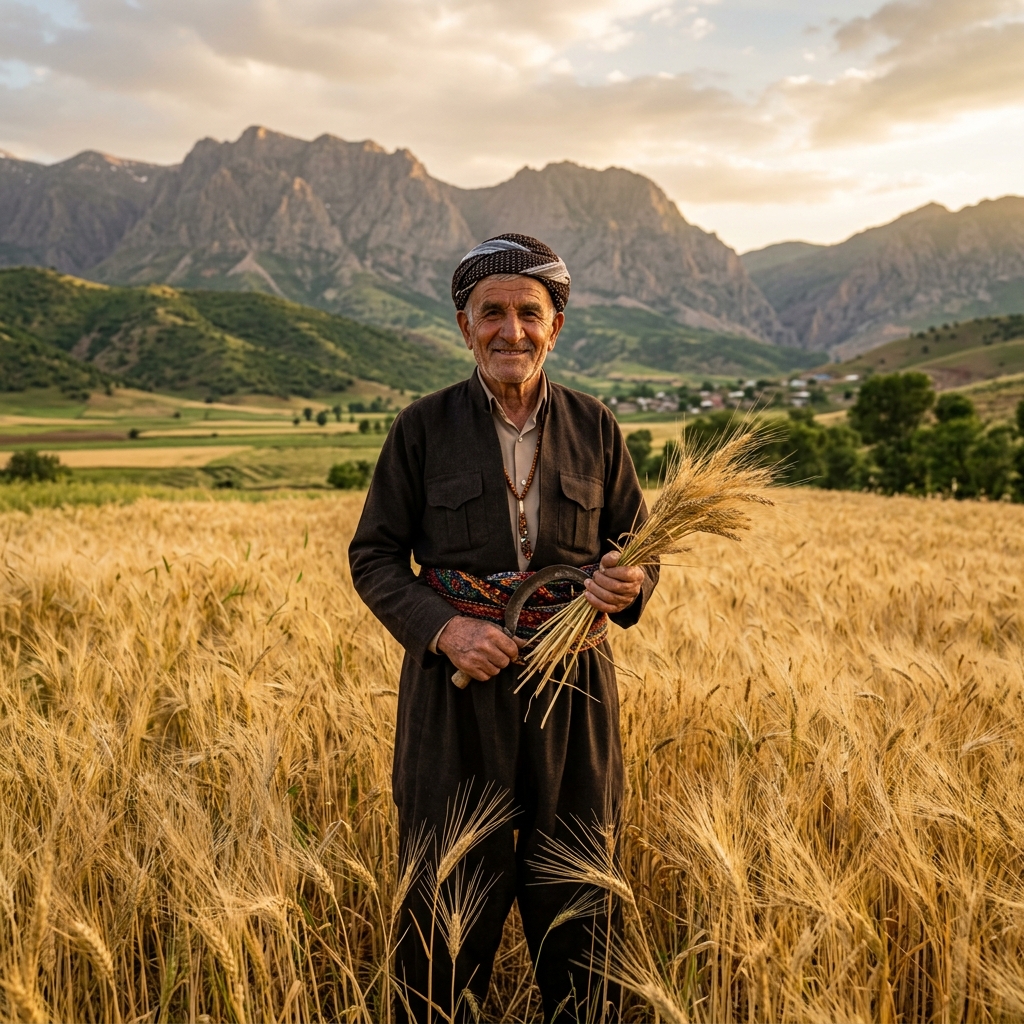
Sovereign of the Soil
Kurdish Farmer
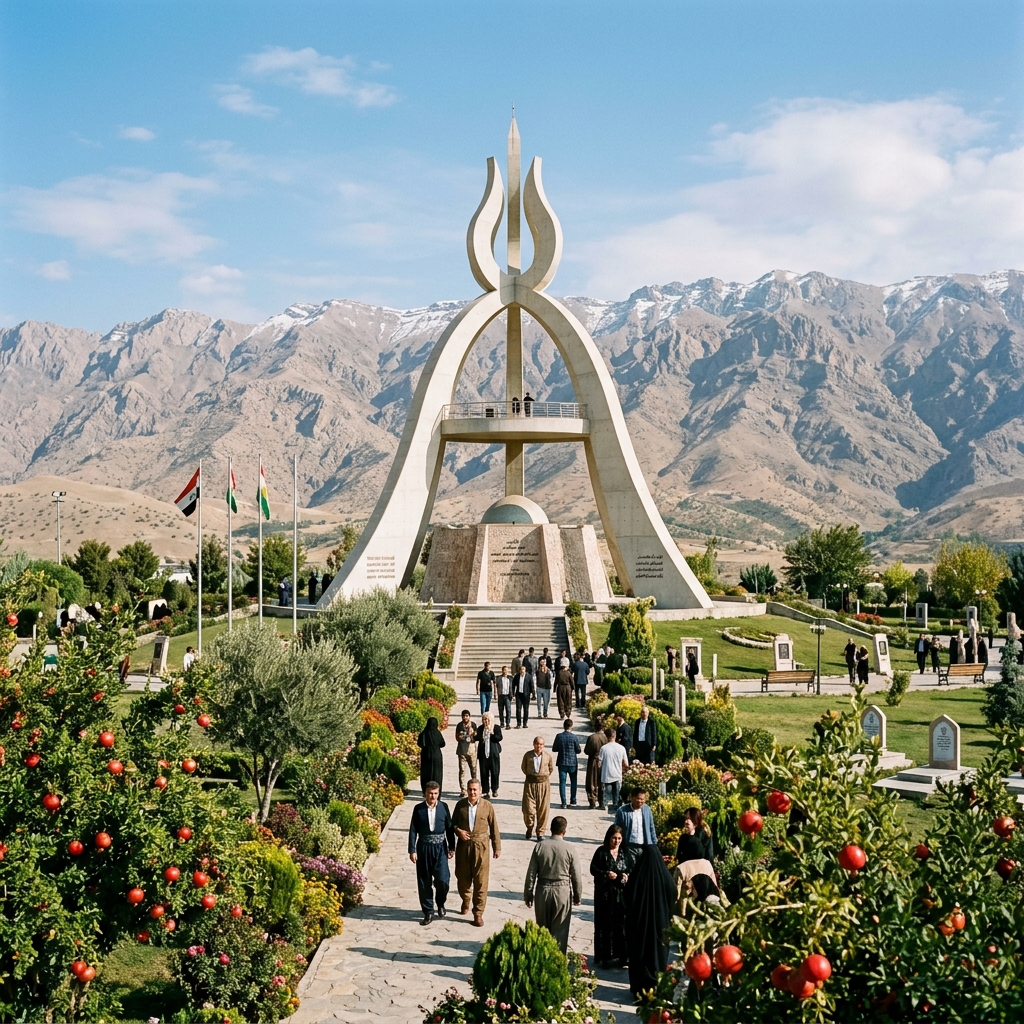
Guardians of the fertile Mesopotamian crescent and mountain terraced valleys, cultivating ancient wheat, sweet pomegranates, and wild sumac across millennia.
A journey through thousands of years of ancient history, rich living culture, poetic languages, vibrant music, and an unbreakable spirit.
From the ancient cradle of Mesopotamia to 20th-century sovereign republics and modern constitutional federalism. Explore key historical turning points across all four regions.
Famed worldwide for the 'Flower Burial' Neanderthal discoveries excavated by Ralph Solecki, demonstrating humanity's earliest documented evidence of empathy, burial ritual, and botanical healing in the Zagros.
Recognized by UNESCO as one of the oldest continuously inhabited settlements on Earth, mentioned in Sumerian, Akkadian, and Assyrian cuneiform records as Urbilum and Arba-ilu.
Before 20th-century nation-state borders, autonomous Kurdish principalities—including Baban (Sulaymaniyah), Soran (Rawanduz), Badinan (Amadiya), Botan (Cizre), and Ardalan (Sanandaj)—exercised self-governance, minted coinage, and patronized Kurdish classical literature.
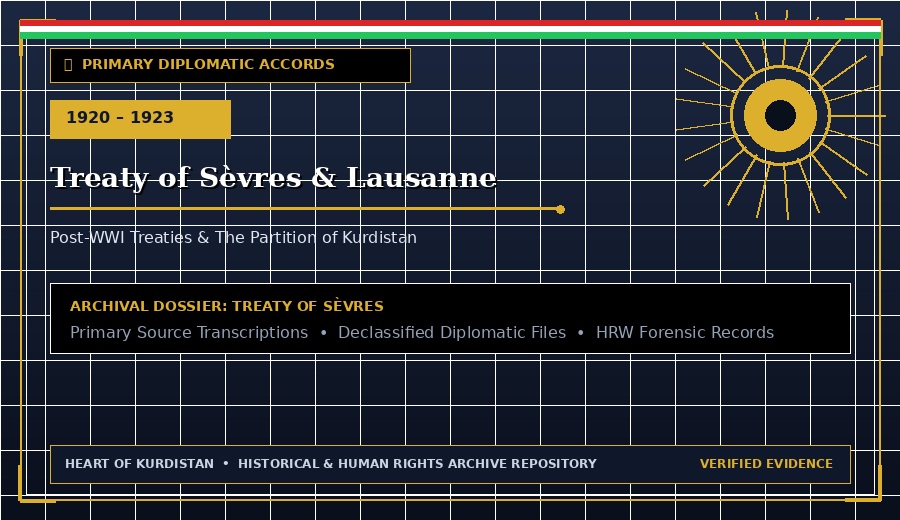
1920 — 1923
From international recognition of Kurdish self-determination in Sèvres Article 64 to the fourfold territorial partition at Lausanne.
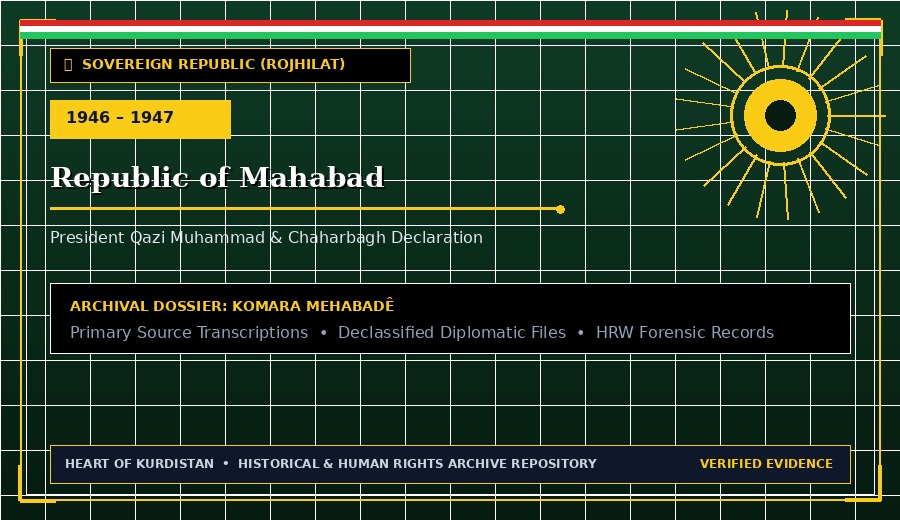
1946 — 1947
President Qazi Muhammad, the hoisting of the Kurdish national flag, and General Mustafa Barzani's defense in Rojhilat.
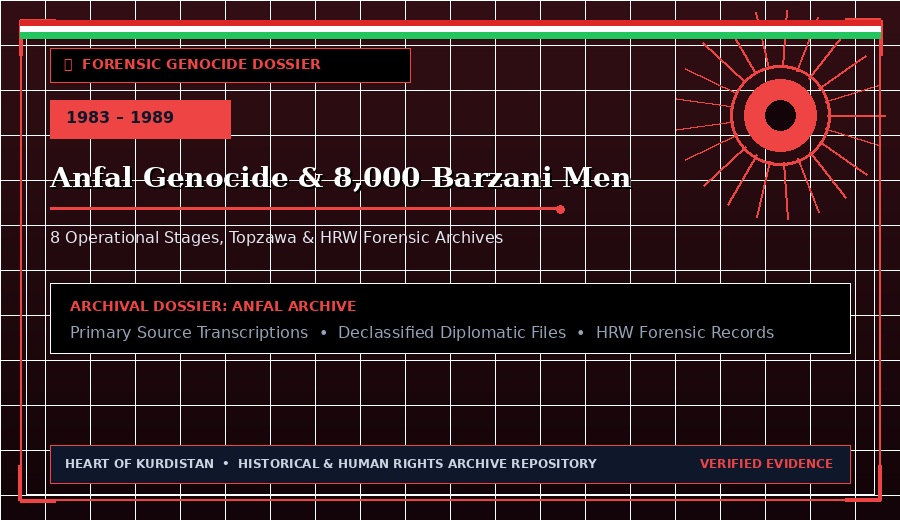
1983 — 1989
Mass disappearances, chemical warfare on Halabja, and 14 metric tons of captured state archives analyzed by Human Rights Watch.
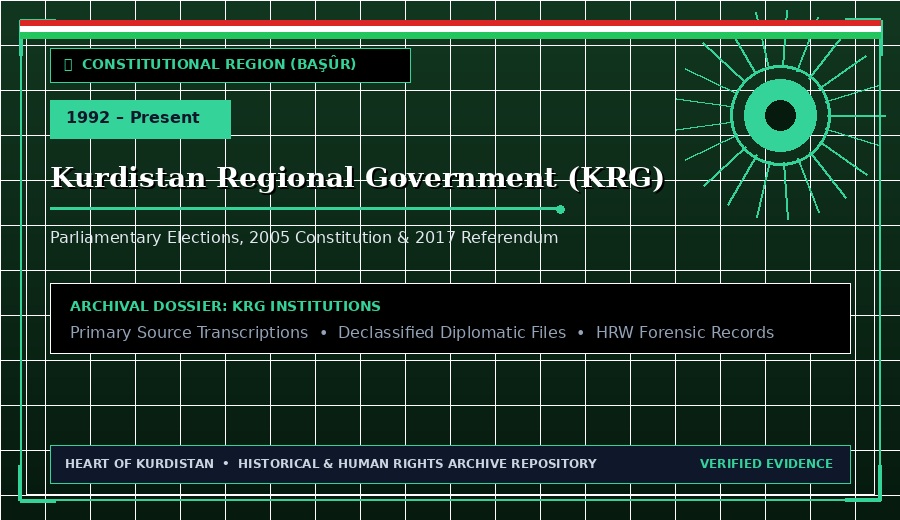
1991 — Present
From the national uprising and UN Safe Haven Resolution 688 to the democratic Kurdistan Parliament and federal autonomy.
Kingdom of Kurdistan, 1970 Autonomy Accord, Anfal Genocide, 1991 Raperîn & KRG.
Sheikh Said Uprising (1925), Republic of Ararat (1927–1930), and Dersim Resistance.
Simko Shikak, 1946 Republic of Mahabad, 1979 Revolution, and Jin Jîyan Azadî.
1962 Hasakeh Census (Decree 93), Statelessness (Ajanib/Maktumeen), and Arab Belt.
Access our full academic repository featuring 14 documented chapters, verbatim primary treaty transcripts (Sèvres, Lausanne, Decree 93, Directive SF/4008), Human Rights Watch forensic investigations, and the Institutional Leadership Directory.
Modern Kurdish history is marked by extraordinary resilience against systemic oppression, forced assimilation, chemical warfare, and village razing. Through thousands of years of survival across the Zagros and Mesopotamian cradles, the spirit, culture, and dignity of Kurdistan remained unbroken.
Today, the Kurdistan Region stands as a recognized beacon of security, religious co-existence (Muslims, Christians, Yazidis, Kaka'is, Zoroastrians), academic growth, and international hospitality.
A culture forged through joyful communal dances, vibrant mountain attire, heartfelt hospitality (Mêvanperwerî), and Newroz spring celebrations.
Circular and line dances linked pinky-to-pinky or shoulder-to-shoulder, symbolizing brotherhood, community resilience, and celebration to rhythmic drums.
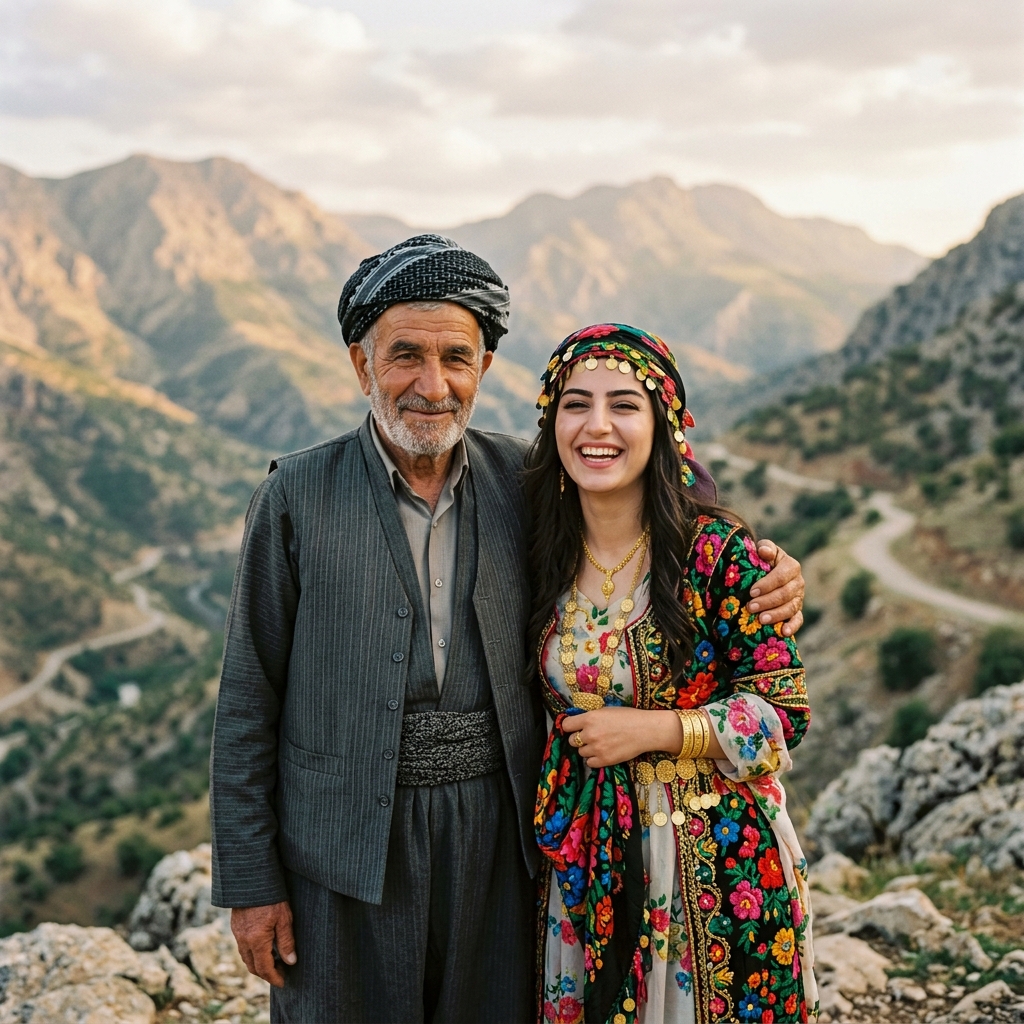
Shimmering silk gowns (Kiras), ornate velvet vests (Êlek), silver belt adornments, and durable woolen mountain wear (Şal û Şepk) paired with Klash shoes.
Celebrated every March 21 on the spring equinox. Bonfires light up mountain peaks in Akre and across Kurdistan to herald rebirth and the legend of Kawa.
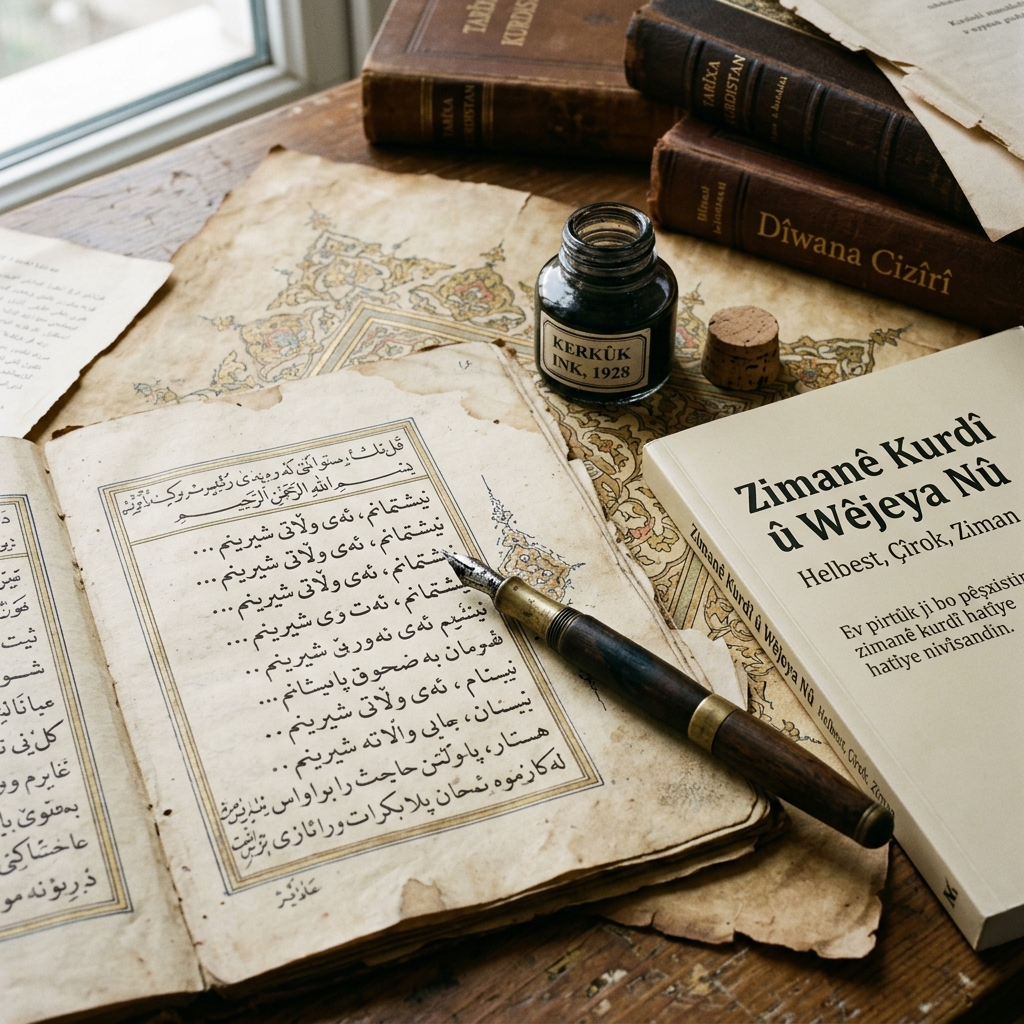
Belonging to the Northwestern Iranian branch of Indo-European languages, Kurdish encompasses rich dialects, distinct alphabets, and centuries of poetic prose.
Kurdish literature boasts classical divans from Melayê Cizîrî and Feqiyê Teyran to modern poetry by Abdulla Pashew and Sherko Bekas. Written in both Hawar Latin and Kurdish Sorani scripts, the language embodies the soul of the Kurdish identity.
The most widely spoken dialect, predominantly utilizing the Latin-based Hawar alphabet created by Celadet Alî Bedirxan.
The standard official language of the Kurdistan Regional Government (KRG), written in an adapted Perso-Arabic alphabet with comprehensive vowel notation.
Archaic and poetic dialects preserving ancient phonetics and mystical literature, especially in Dersim and the picturesque Hawraman mountains.
| English | Kurmanji (Latin) | Sorani (Script) | Pronunciation & Context |
|---|---|---|---|
| Hello / Good Day | Silav / Rojbaş | سڵاو / ڕۆژباش | See-lav / Rozh-bash (Universal greeting) |
| Welcome | Bi xêr hatî | بە خێر بێیت | Bikher hatee (Traditional welcome) |
| Thank You | Gelek spas / Spas | زۆر سوپاس | Zor spas (Heartfelt gratitude) |
| Peace be with you | Aştî û azadî | ئاشتی و ئازادی | Ashtee u azadee (Peace & Freedom) |
From centuries-old epic bards (Dengbêj) singing tales of heroism and mountain life to vibrant Daf rhythms and modern orchestral fusion.
Dengbêjs are traditional Kurdish bards who chant epic historical tales (Kilam) without instruments, preserving ancestral memory through pure vocal power.
The Daf frame drum, Tanbur, and Saz long-necked lute form the heartbeat of mystical spiritual ceremonies and festive celebrations across Kurdistan.
Artists like Mihemed Şêxo, Hesen Zîrek, Şivan Perwer, Ciwan Haco, and harpist Tara Jaff blended traditional Kurdish soul with modern global harmonies.
Discover the 17 iconic vocations, mountain archetypes, and community pillars shaping Kurdish identity—each documented with 500+ words of deep cultural history, tools, and traditions.
From the high alpine pastures where shepherds play ancient flutes to bustling bazaar workshops in Erbil and Sulaymani, and modern operating theaters and research labs—the soul of Kurdistan lives in its resilient people.
Sovereign of the Soil
Guardians of the fertile Mesopotamian crescent and mountain terraced valleys, cultivating ancient wheat, sweet pomegranates, and wild sumac across millennia.
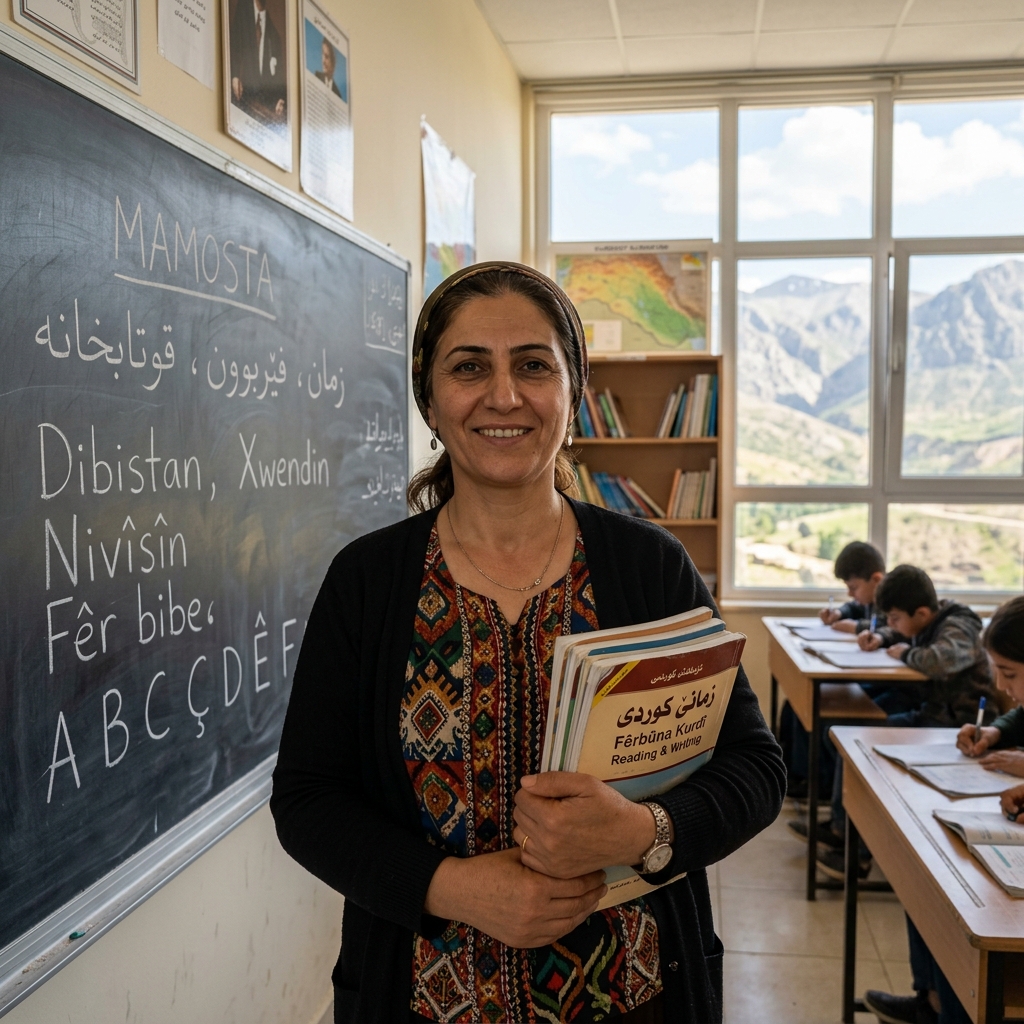
Torchbearer of Knowledge
The revered educators who safeguarded the Kurdish language, literature, and identity through generations of resilience in village and city schools.
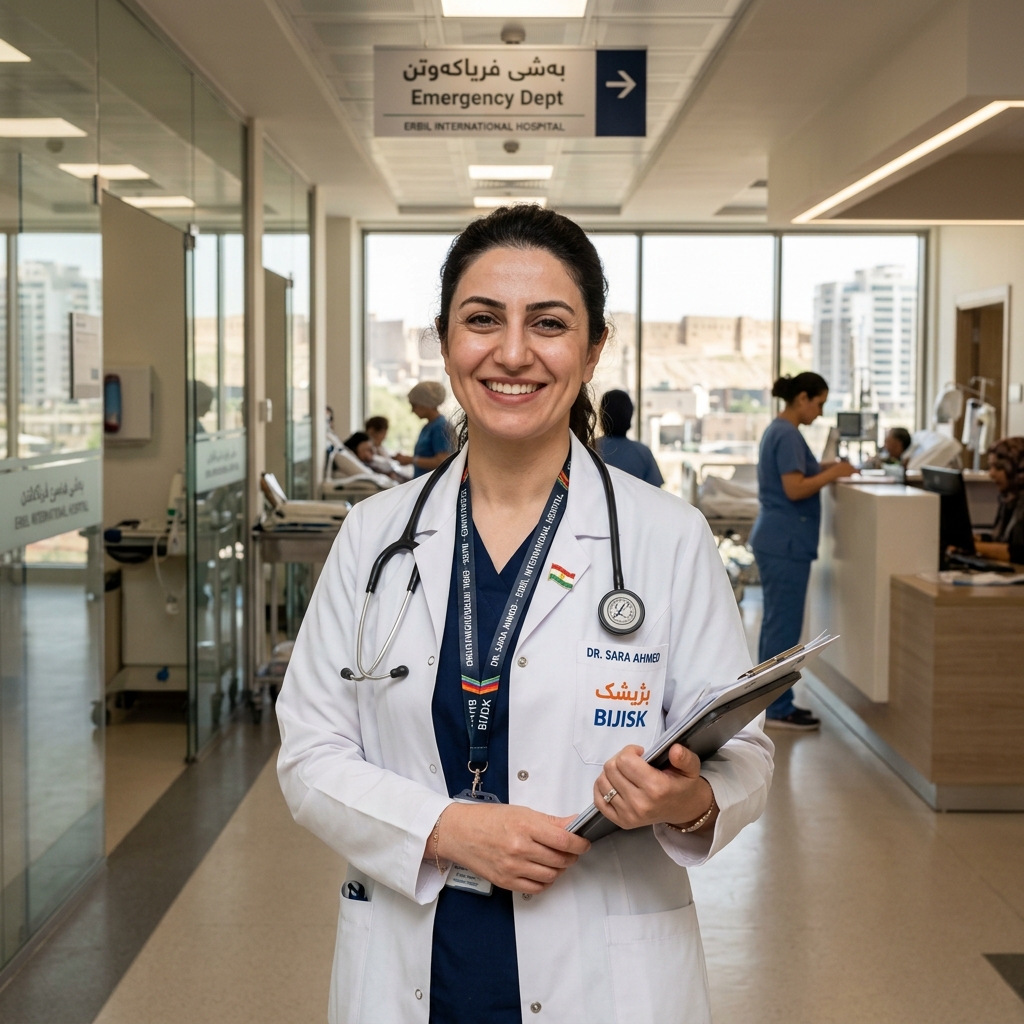
Healer of the Zagros
Bridging thousands of years of herbal mountain remedies with world-class modern surgery, oncology research, and compassionate emergency care.
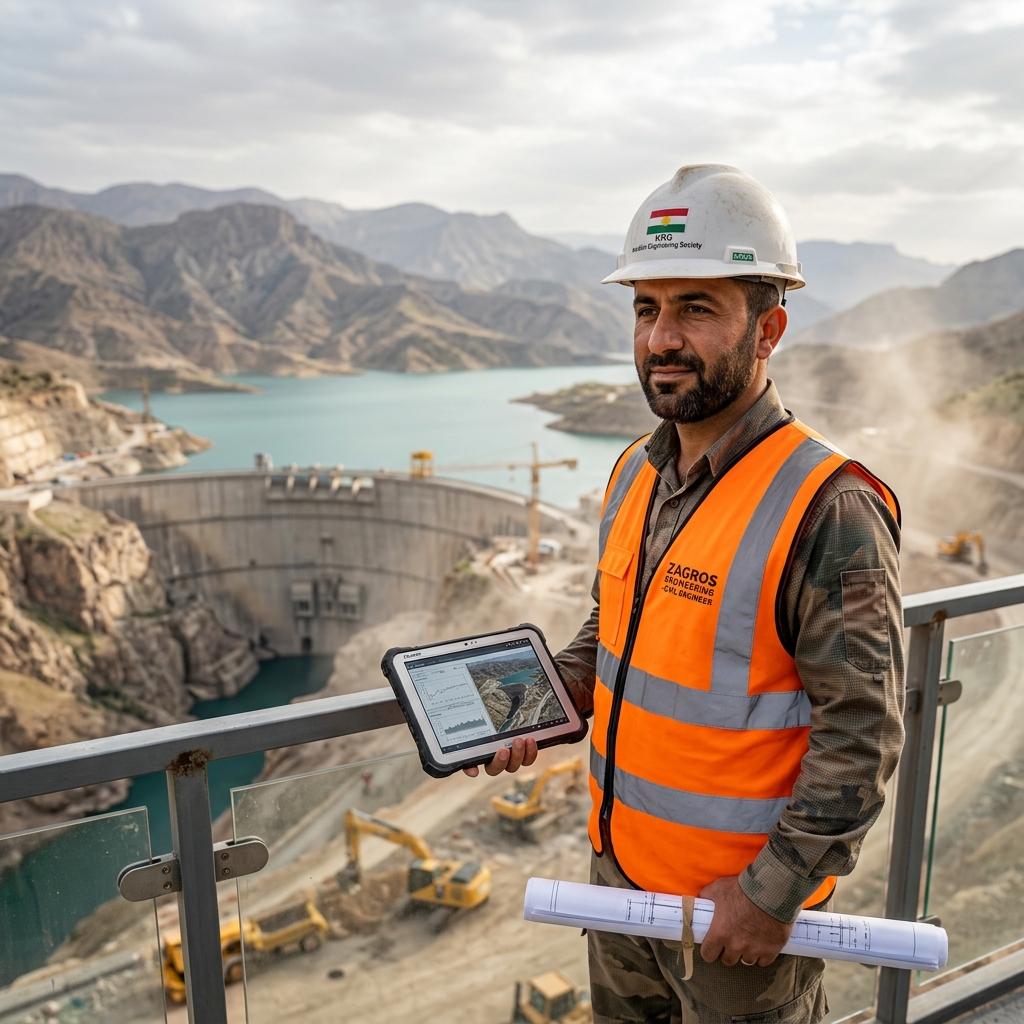
Builder of Modern Kurdistan
Masterminds behind soaring skylines, monumental dams, alpine tunnels through the Zagros, solar grids, and high-tech digital infrastructure.
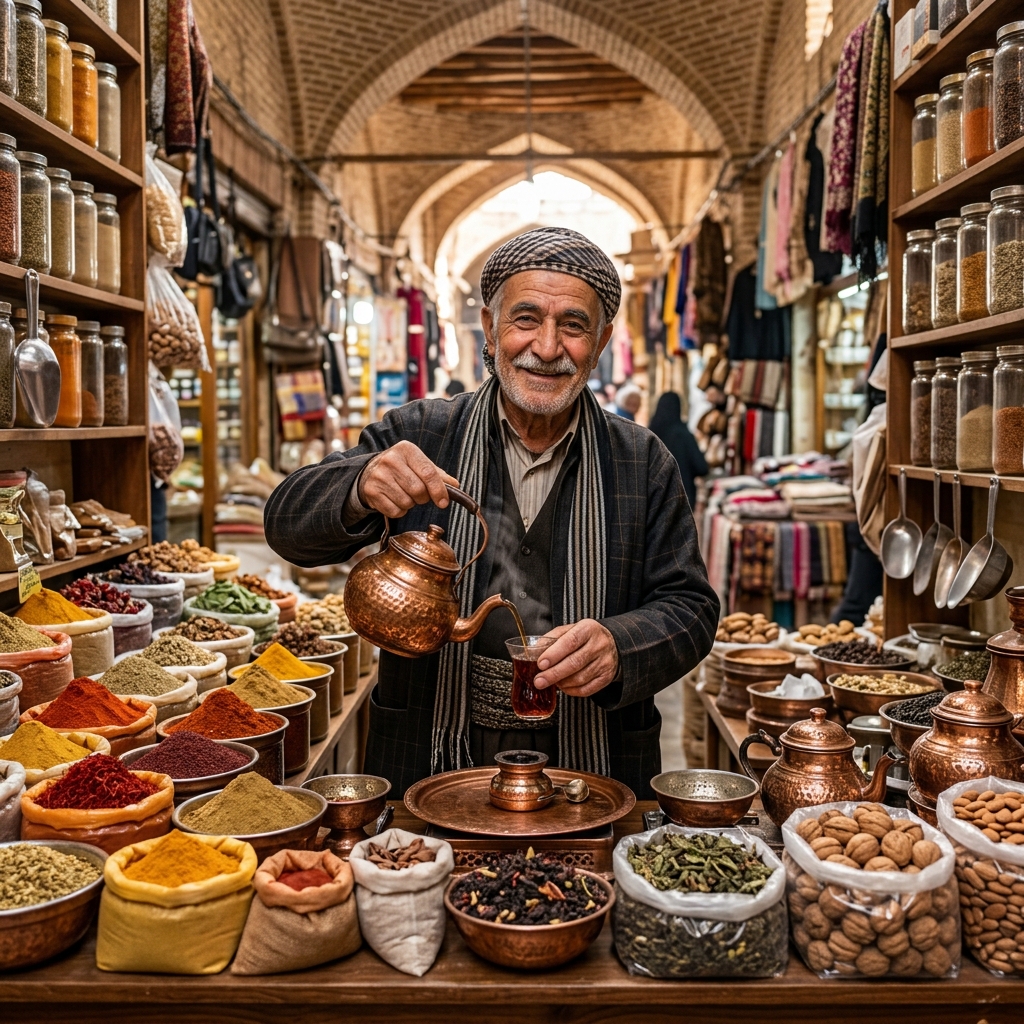
Heart of the Qaysari Bazaar
The friendly social anchors of ancient covered bazaars and neighborhood markets, dispensing fragrant spices, local goods, and warm Kurdish tea.
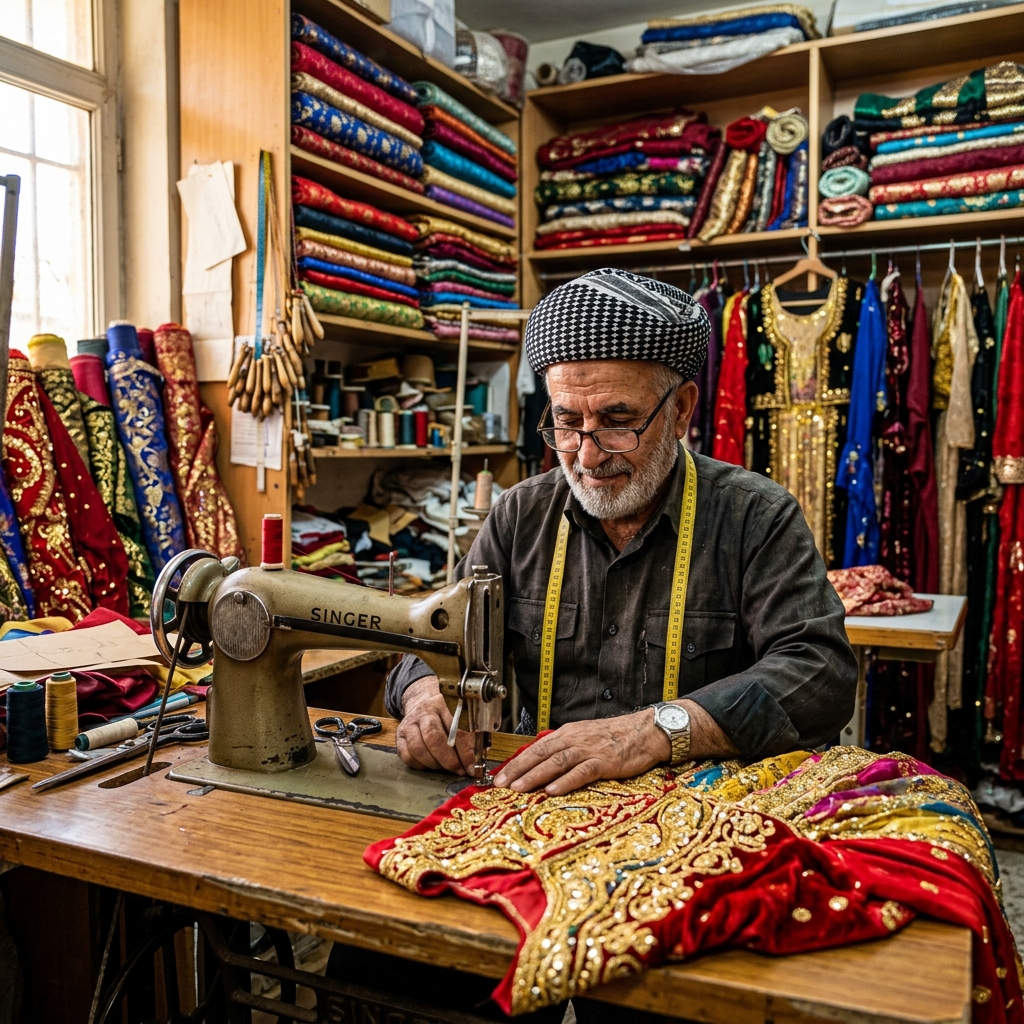
Weaver of Cultural Pride
Master artisans who cut, sew, and embroider the dazzling, jewel-toned Kurdish national dresses and dignified traditional men's suits for Newroz and weddings.
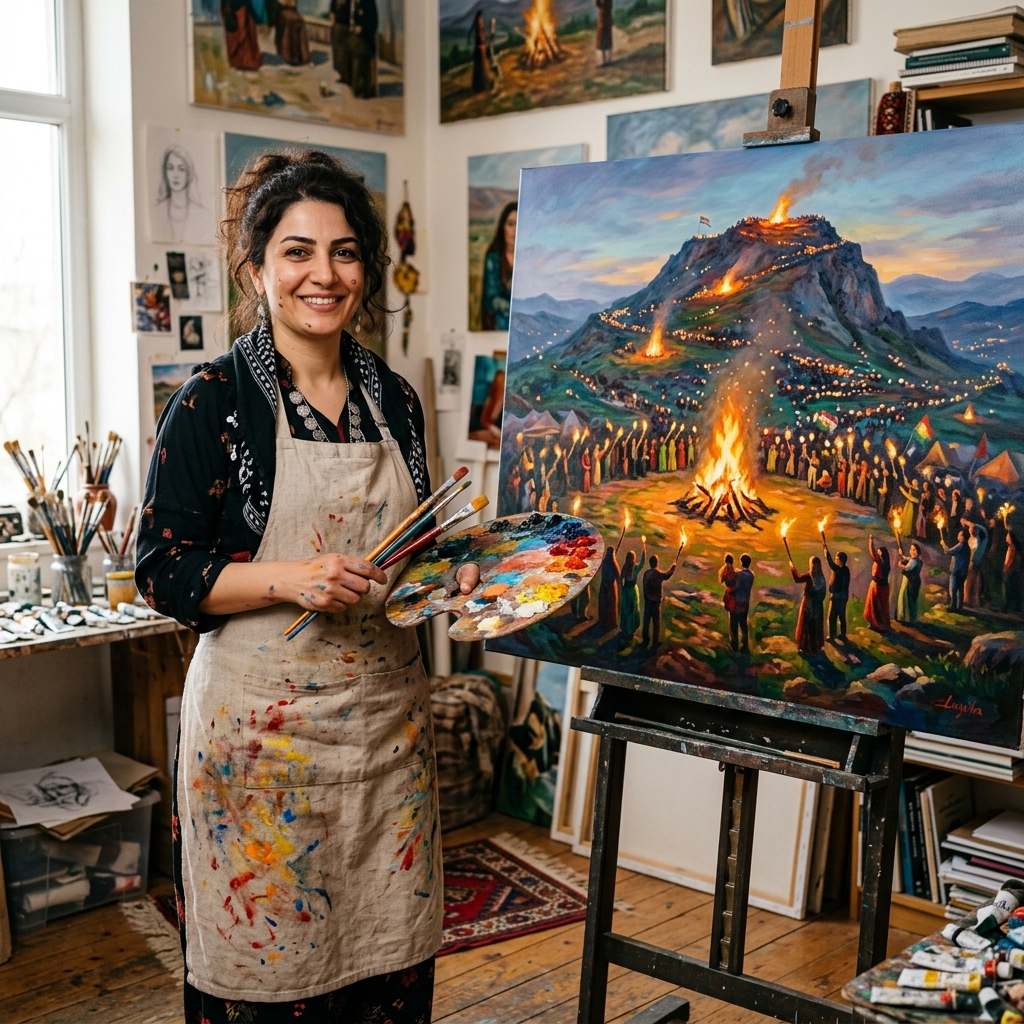
Colorist of the Mountains
Painters, sculptors, and calligraphers capturing the soul of Kurdistan—from the sacred fires of Newroz atop Mount Goyzha to modern abstract expressions of hope.
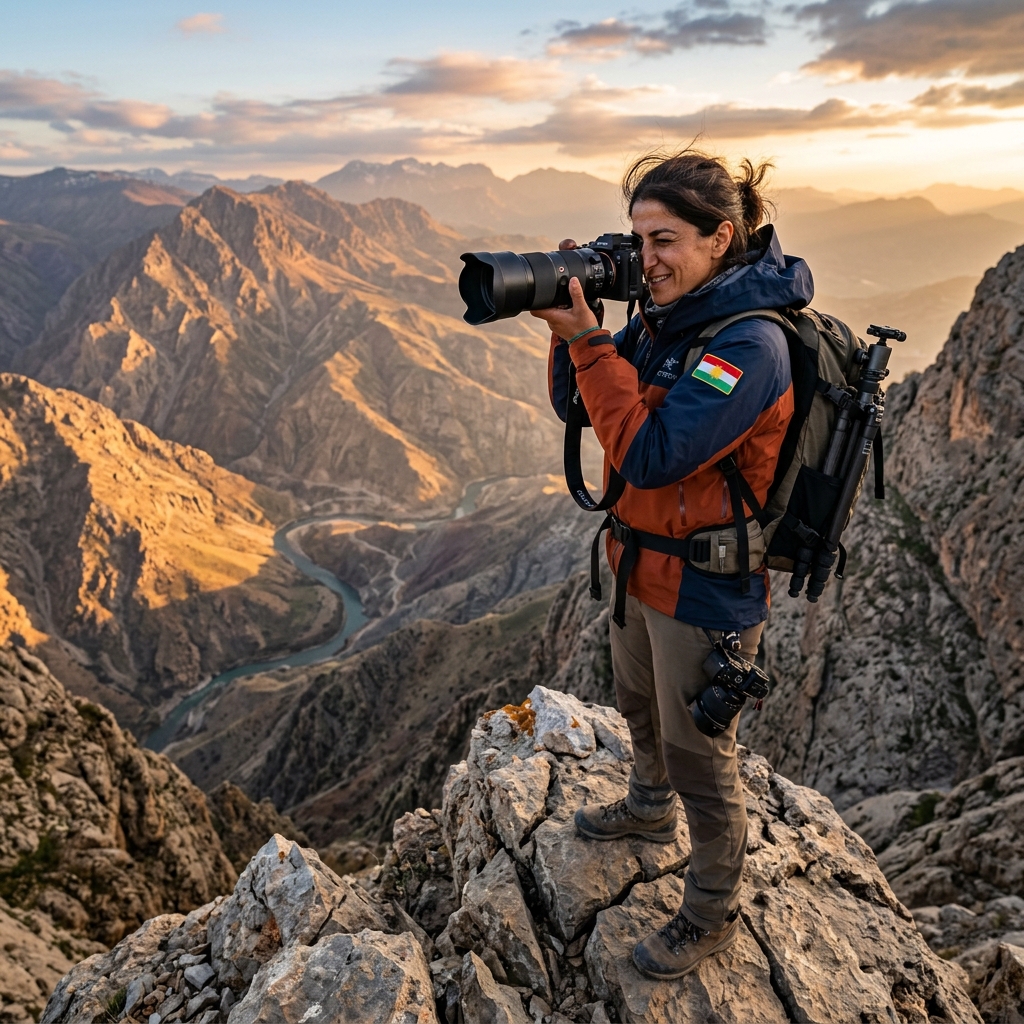
Chronicler of Light & Landscapes
Documentarians and landscape photographers scaling rugged cliffs, capturing dramatic gorges, sacred mountain ceremonies, and intimate portraits of daily life.
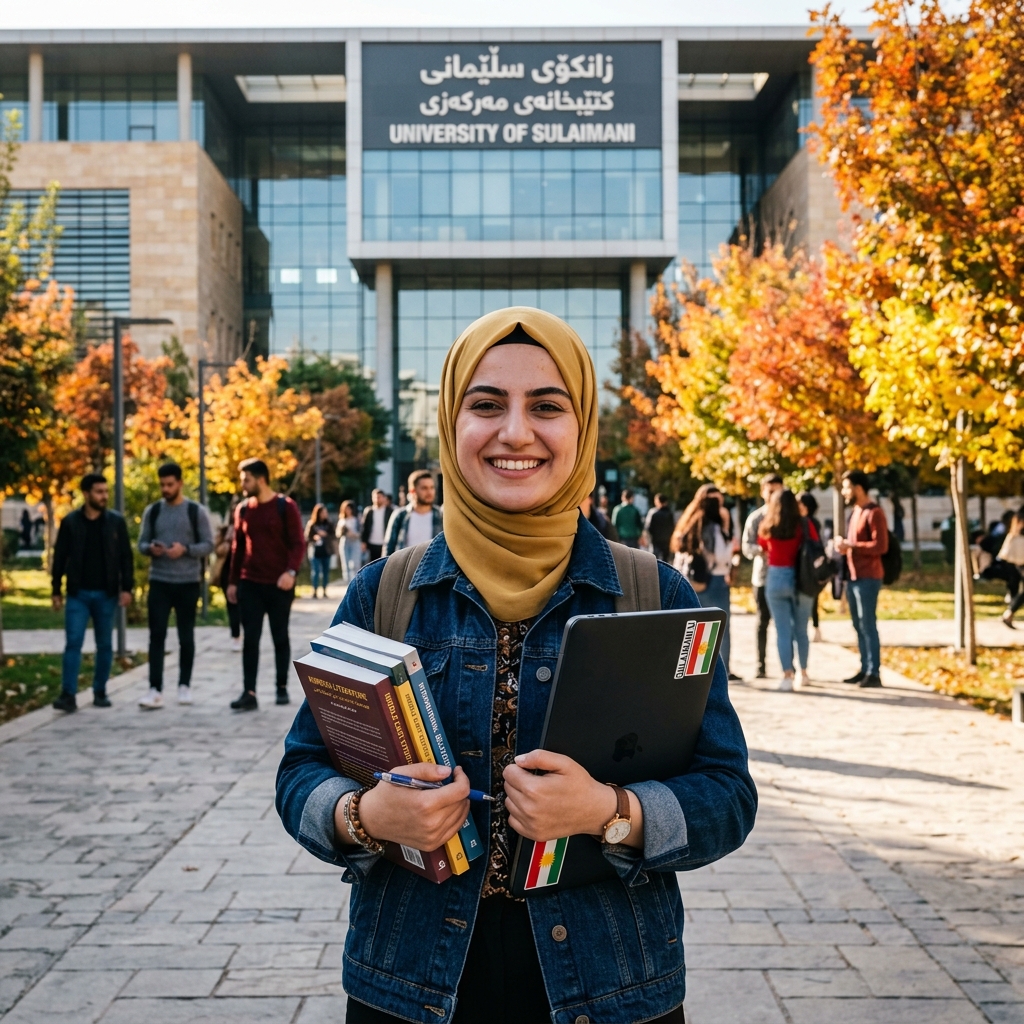
Future Architect of Kurdistan
Ambitious university students and young researchers mastering medicine, AI engineering, linguistics, law, and international diplomacy across Kurdistan.
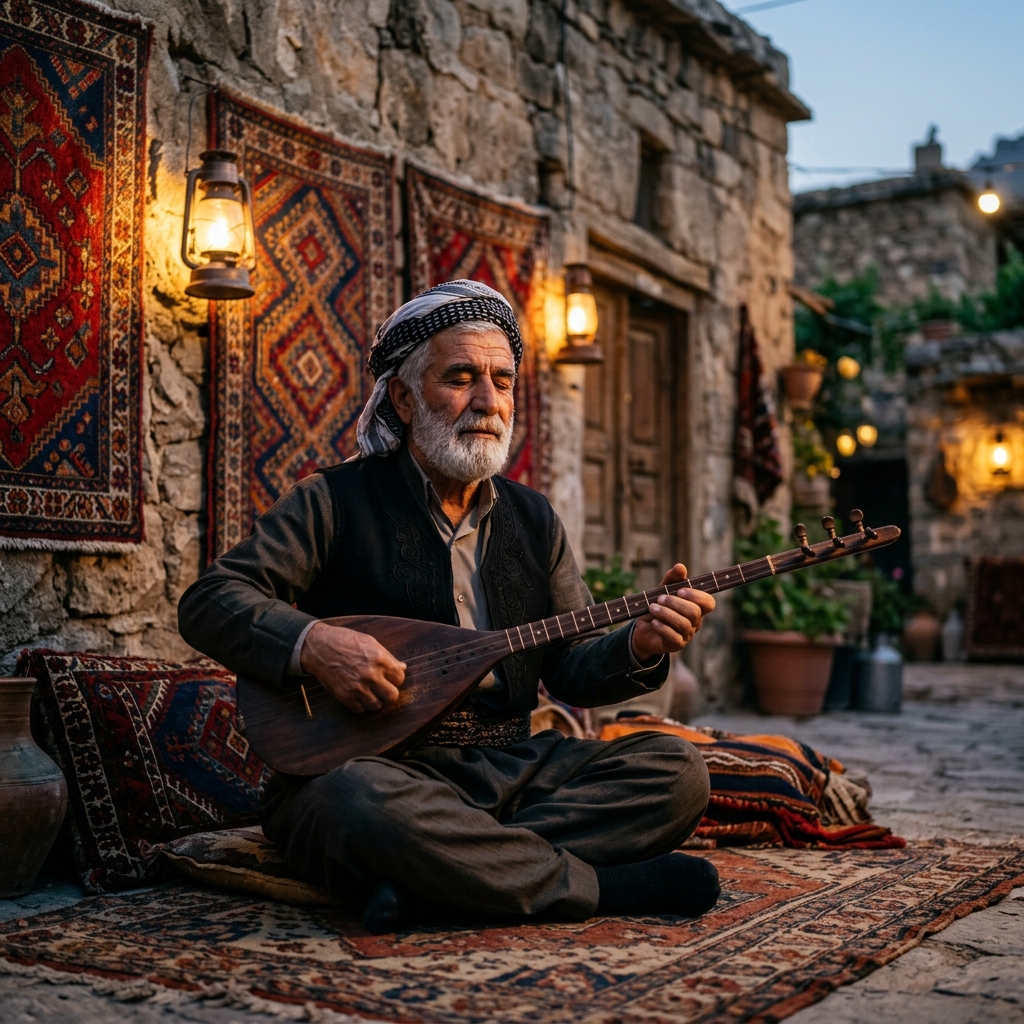
Voice of Ancient Melodies
Custodians of thousand-year-old oral epics and master instrumentalists of the Tanbur, Daf, Bilûr flute, Santur, and Oud echoing through mountain stone.
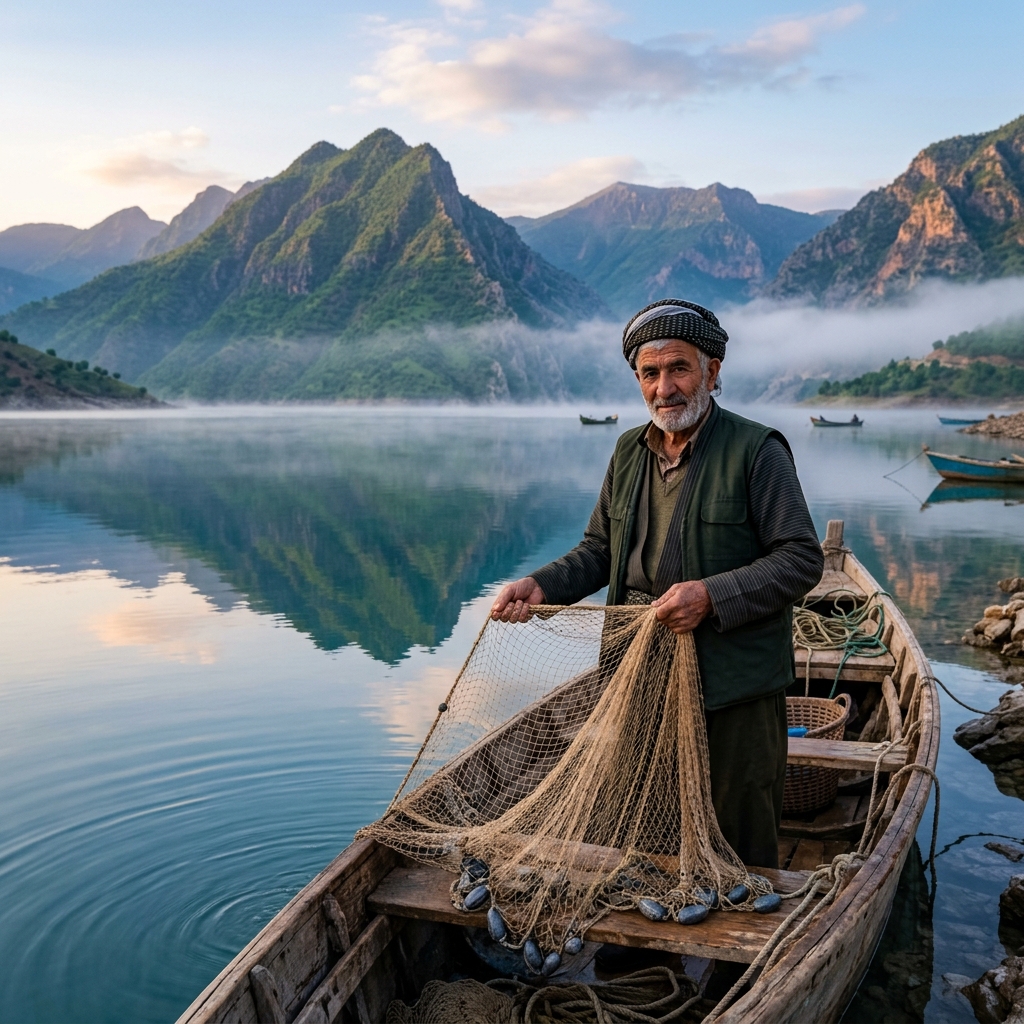
Master of Alpine Waters
Navigating the sparkling currents of the Great Zab, Little Zab, Lake Dukan, and Darbandikhan to bring prized river carp and trout to market.
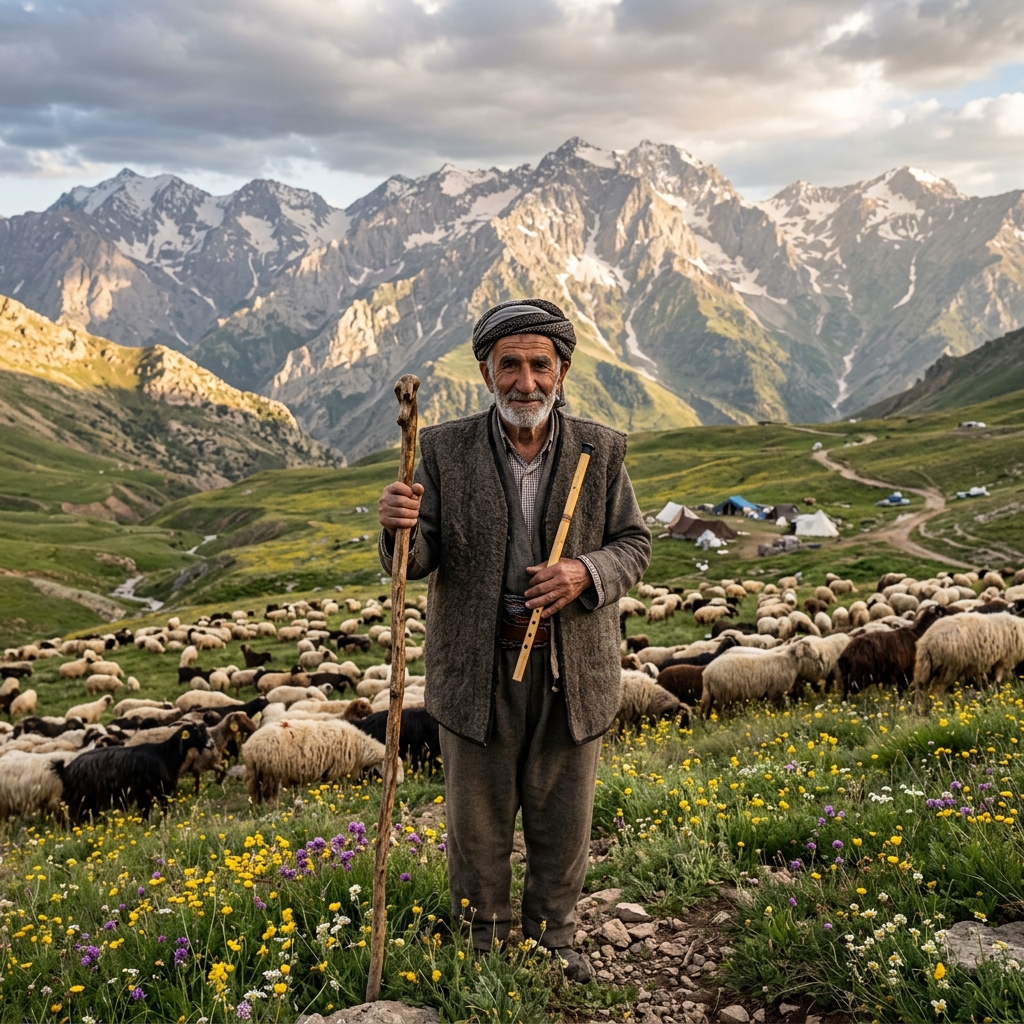
Guardian of the High Pastures
The iconic mountain pastoralists who lead seasonal nomadic herds (Koçer) up to alpine wildflower pastures (Zozan) playing the soothing wooden Bilûr pipe.
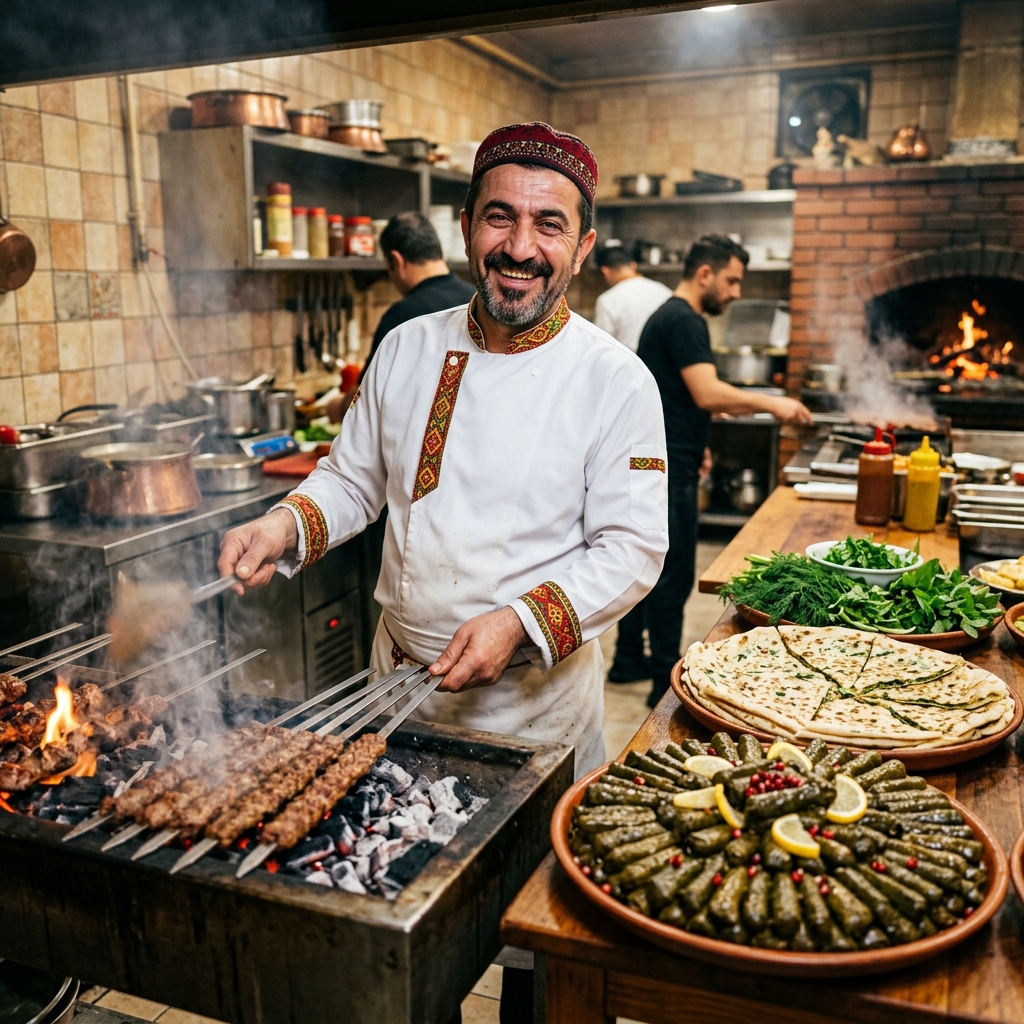
Master of Kurdish Gastronomy
Custodians of rich culinary traditions—from aromatic spiced Biryani and charcoal-grilled Kebabs to slow-simmered Yaprax and crispy spring Kelane.
Guardian of Hawrami Heritage
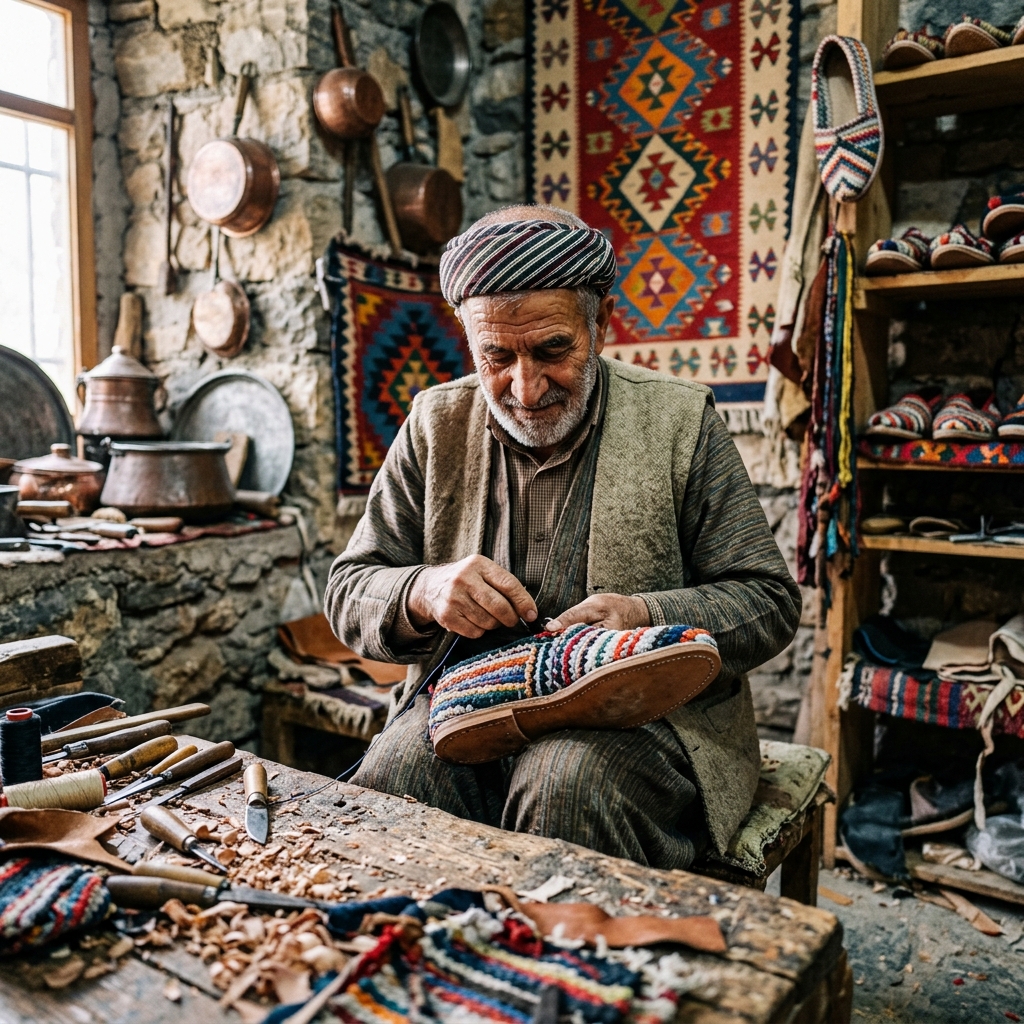
Hand-weaving authentic Hawrami Klash shoes, knotting magnificent tribal rugs, beating copper cookware, and carving aromatic walnut woodwork.
Heart and Soul of the Family
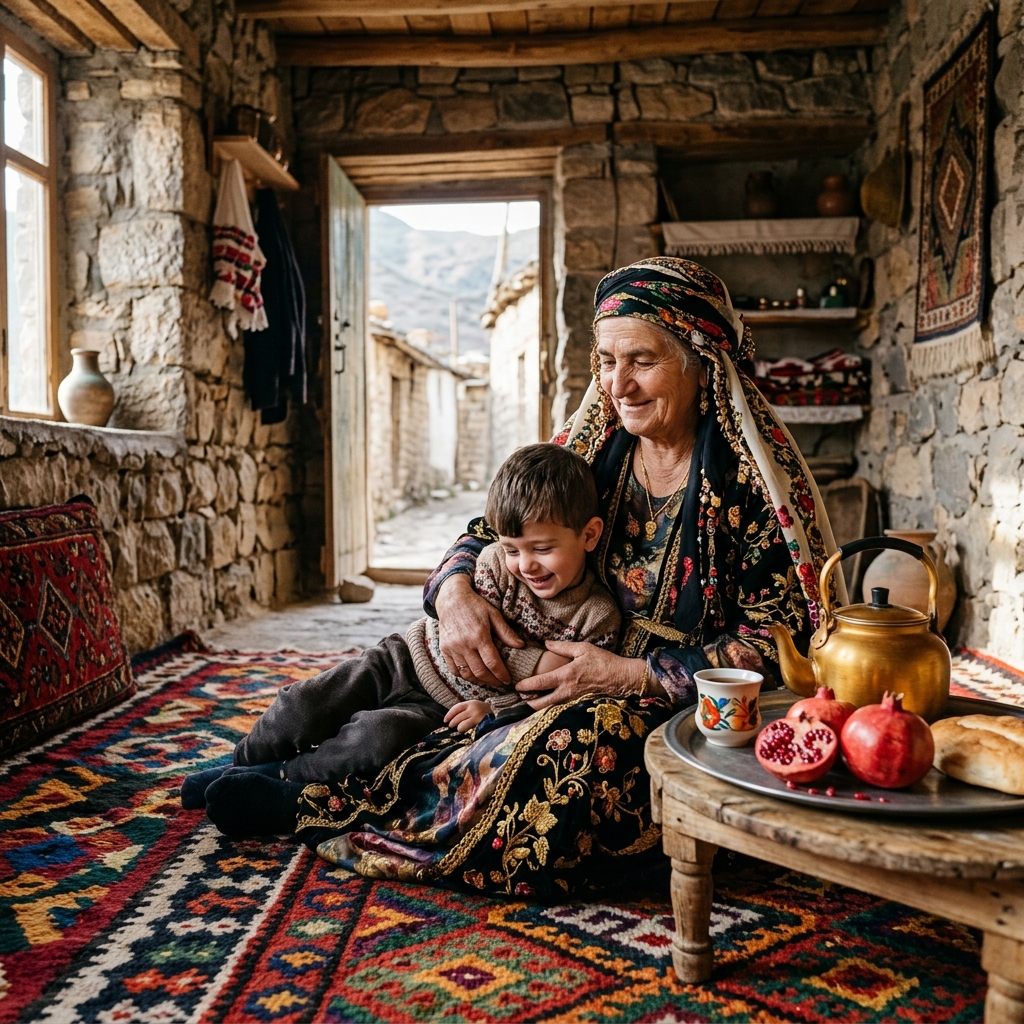
The revered matriarch and emotional anchor of Kurdish society, instilling courage, transmitting oral folklore, and raising resilient generations.
Living Library of Wisdom
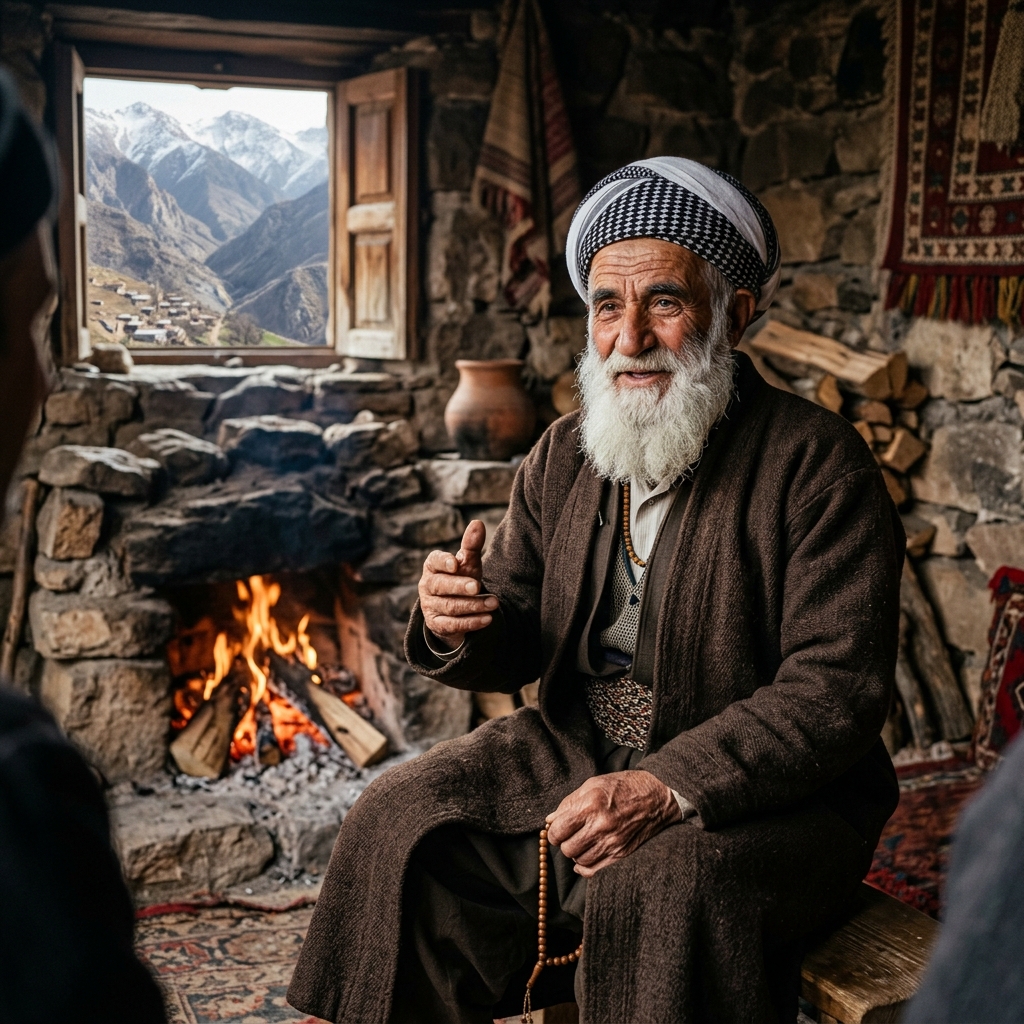
The venerated keepers of living memory, ancient proverbs (Pendî Pêşînan), historical sagas, and peaceful community arbitration around stone hearths.
Vanguard of the Kurdish Renaissance
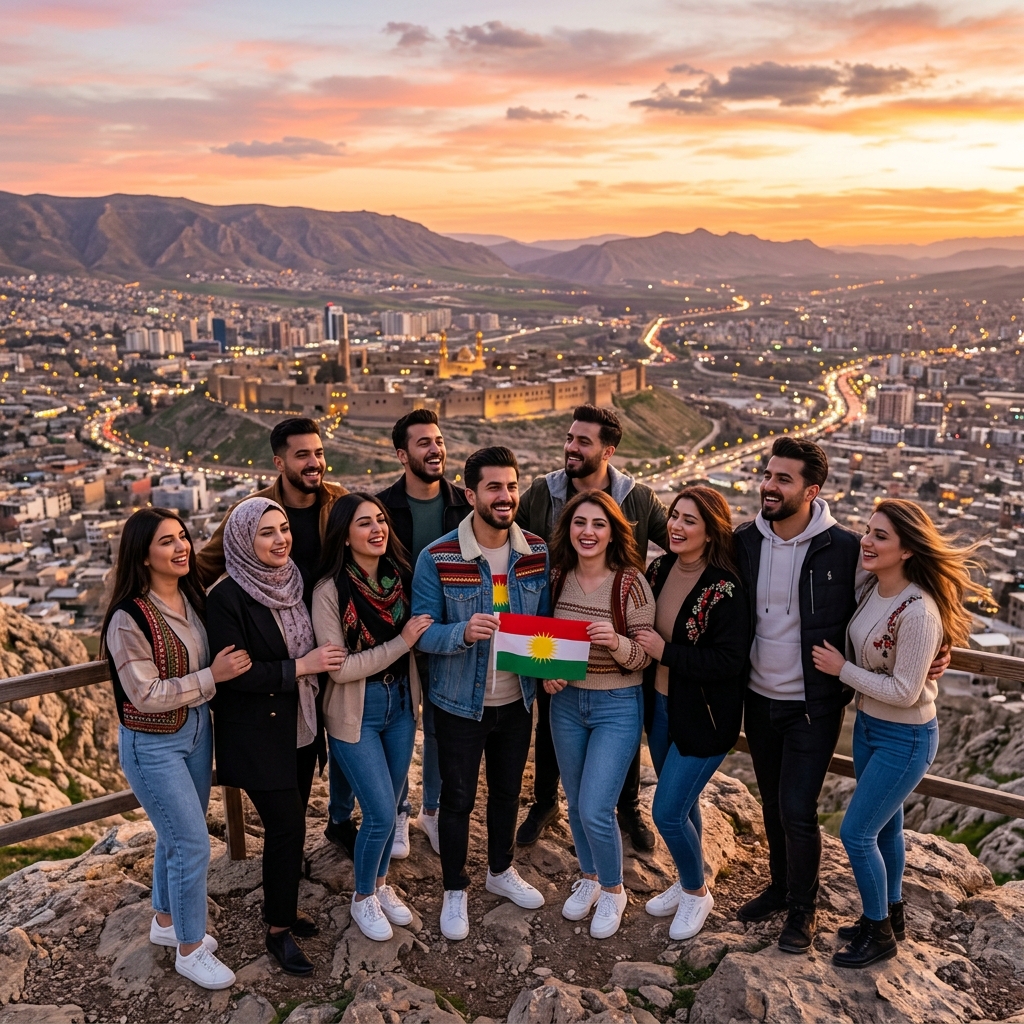
The dynamic, tech-savvy vanguard of Kurdistan—driving digital innovation, environmental activism, athletic triumphs, and cultural renaissance.
Renowned across East and West for his chivalry, leadership, and founding of the historic Ayyubid dynasty.
Author of the national romantic epic Mem û Zîn, advocate for Kurdish unity, cultural consciousness, and education.
One of the first female historiographers in the Middle East, authoring seminal historical works of the Ardalan principality.
Kurdish-Yazidi human rights defender advocating globally for survivors of genocide and human trafficking.
Explore the 5 iconic governorates of Kurdistan: Erbil, Sulaymani, Duhok, Kirkuk, and Halabja. Click any city to view its complete list of districts, sub-towns, and picturesque villages.
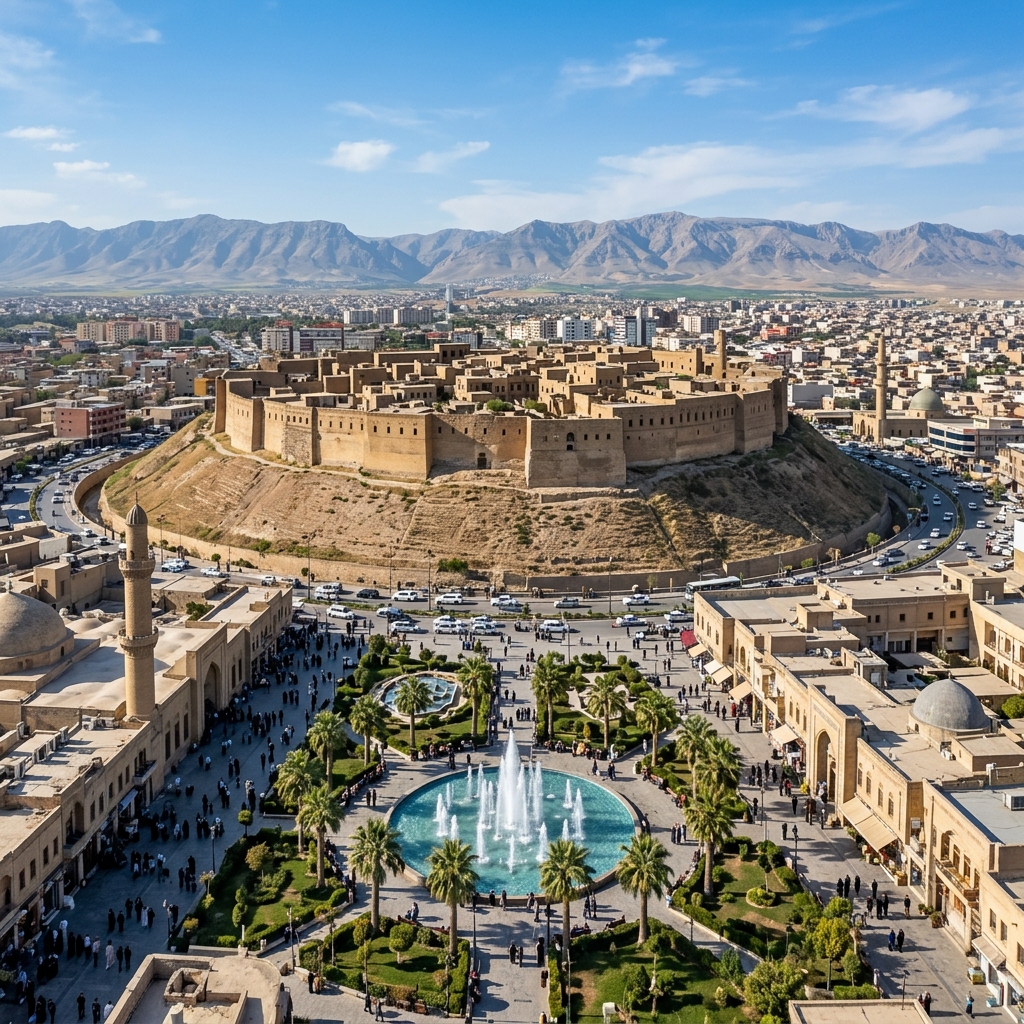
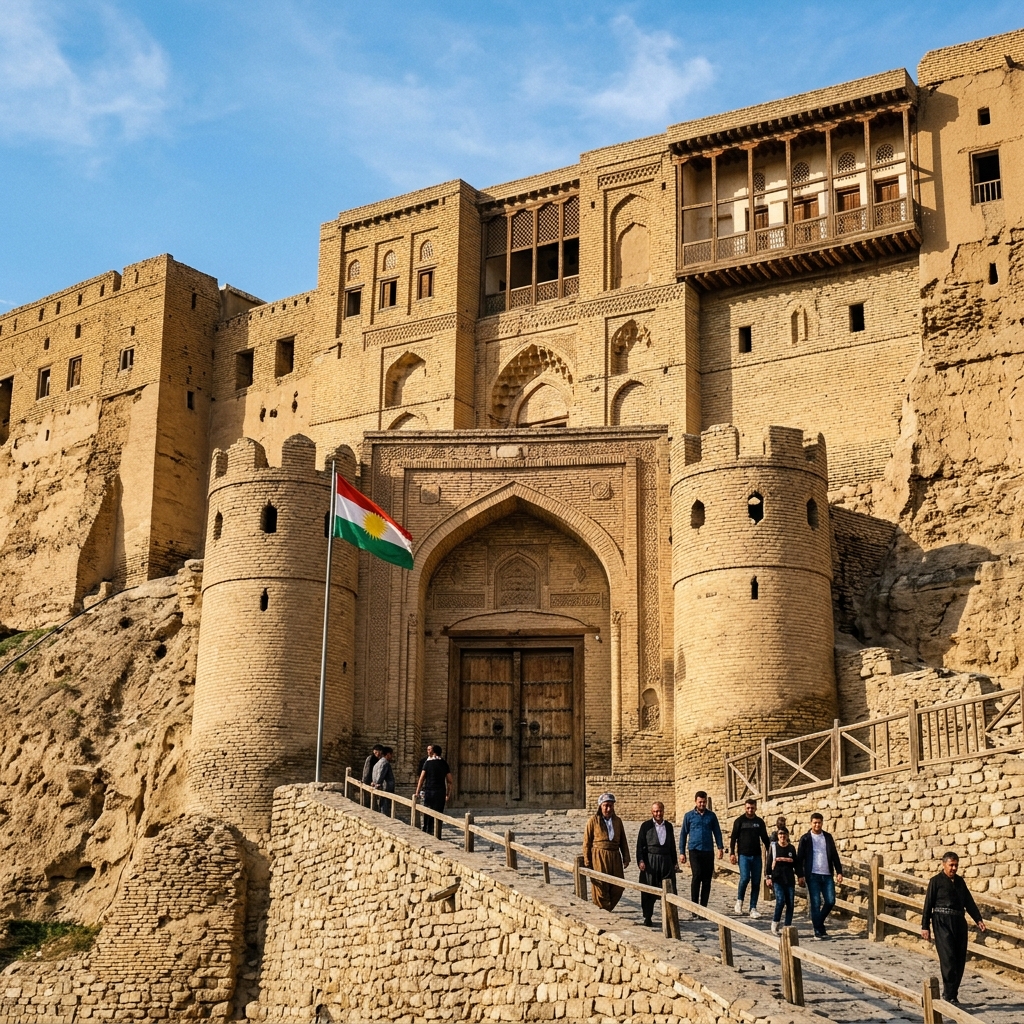
The ancient yet hyper-modern capital of Kurdistan, anchored by the 7,000-year-old UNESCO Citadel, Qaysari Bazaar, and Zagros mountain gateways.
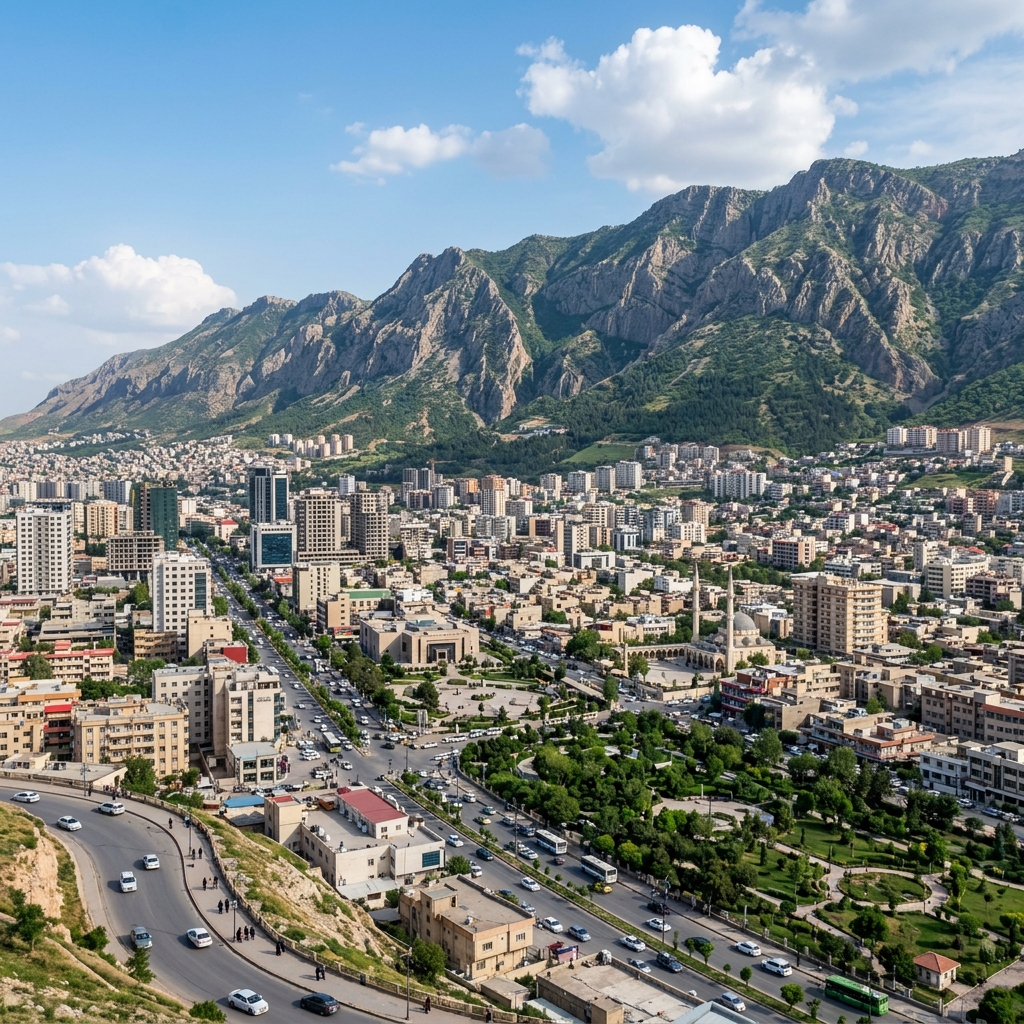
Recognized as a UNESCO City of Literature, renowned for Mount Goyzha, Lake Dukan, cultural archives, universities, and poet-filled boulevards.
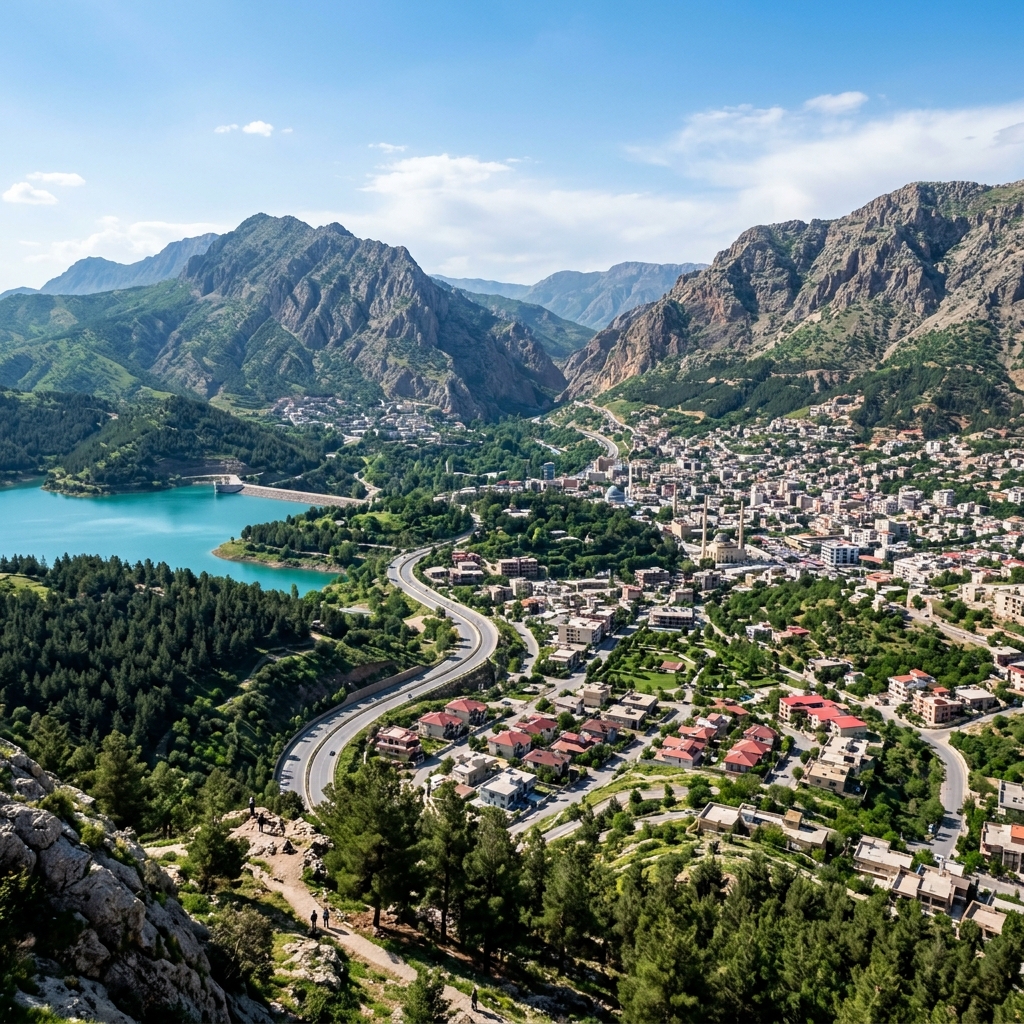
Nestled in a verdant alpine valley between mountain ridges, featuring Duhok Dam, Amadiya mesa fortress, Lalish temple, and Pira Delal in Zakho.
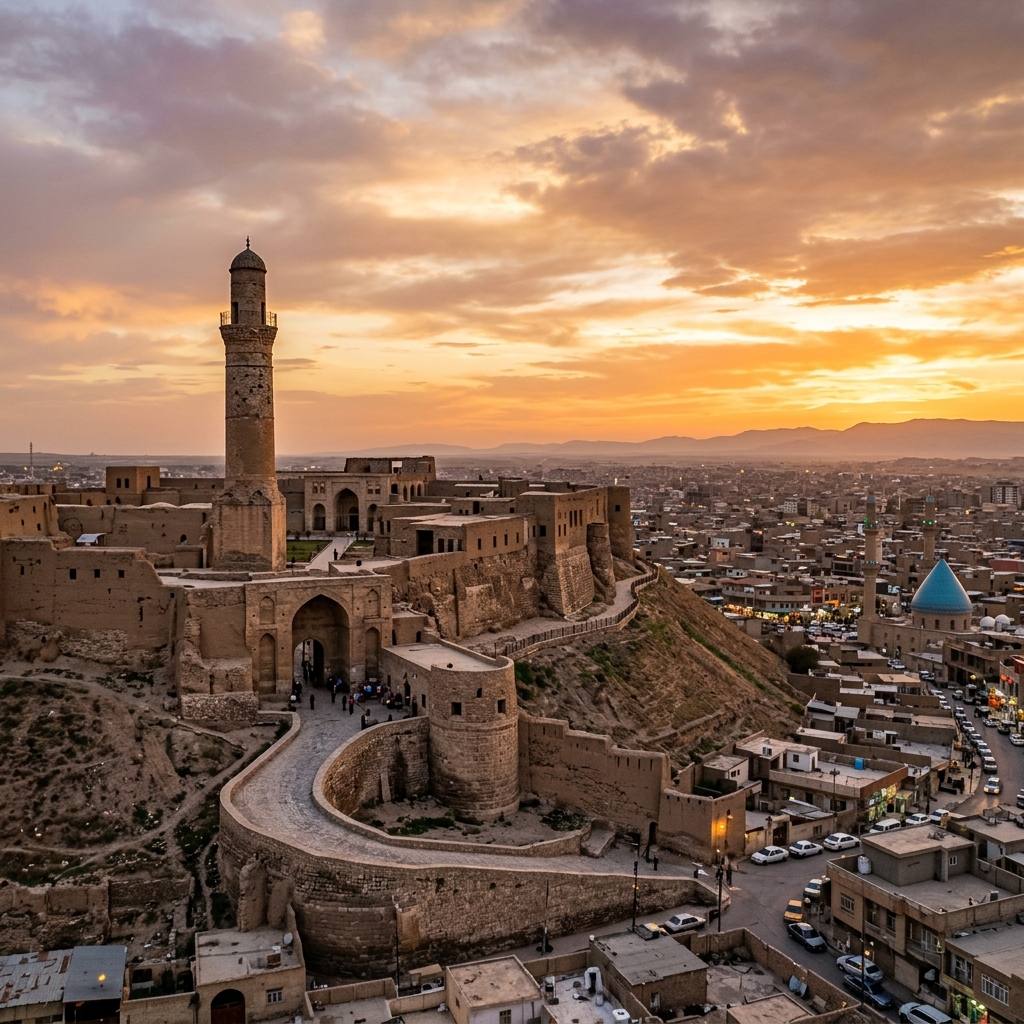
An ancient historical crossroads renowned for its magnificent 4,000-year-old Citadel, covered Qaysari bazaar, and eternal flames of Baba Gurgur.
Kurdistan's 4th governorate and global symbol of peace, nestled below Hawraman mountains, celebrated for ruby pomegranates and Zalim cascades.
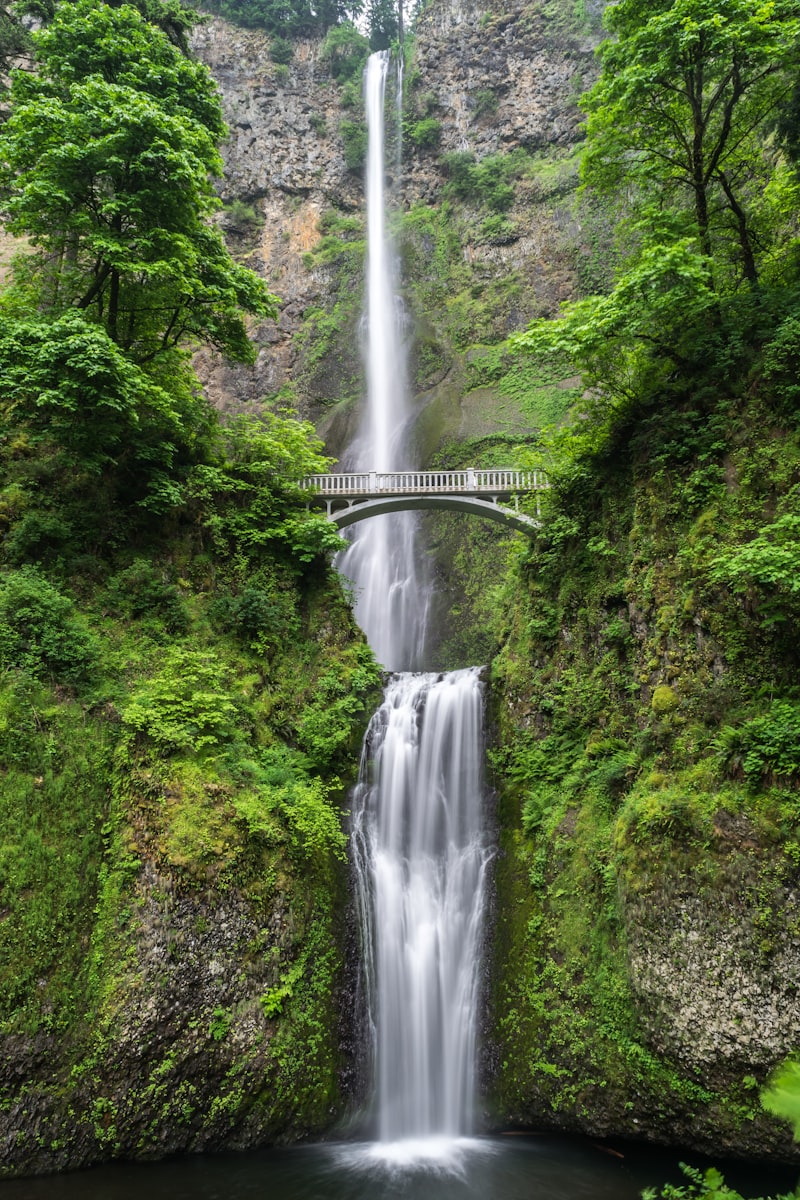
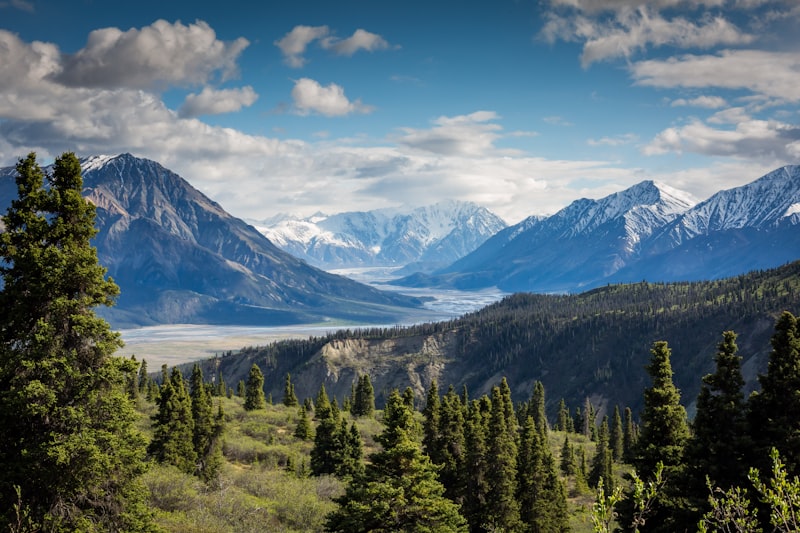
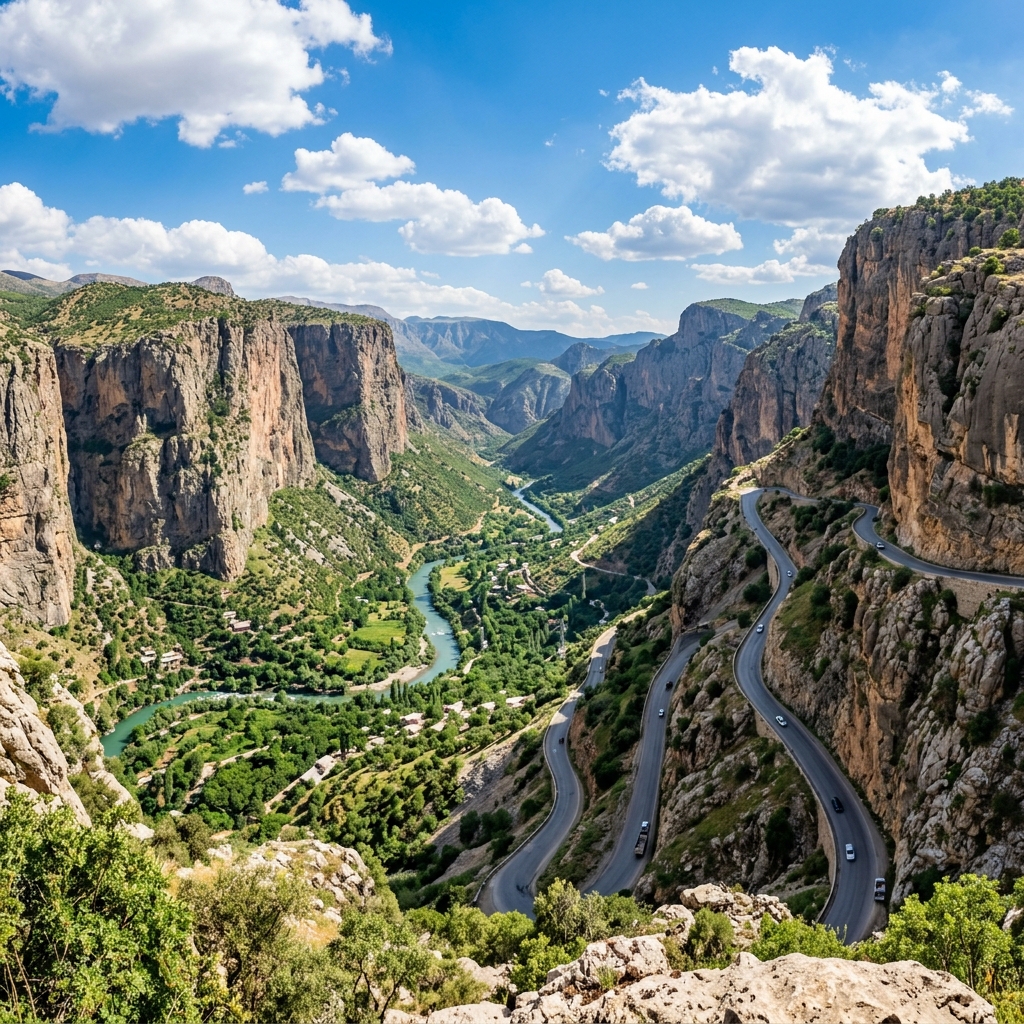
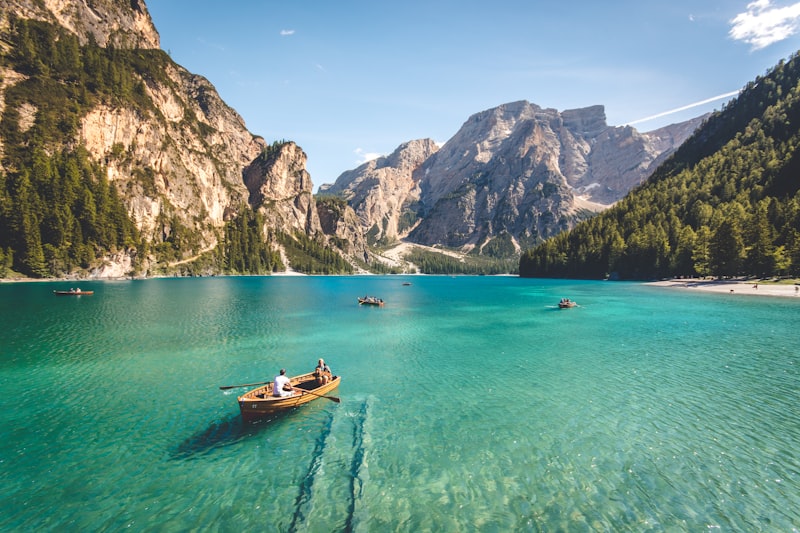
Capturing the majestic Zagros summits, rushing alpine waterfalls, historical citadels, and vibrant celebrations across Kurdistan.
Rawanduz
Alpine Resort
Rawanduz
Sulaymani
Akre
Kirkuk
Halabja
UNESCO Heritage
Experience Kurdistan's premier resort destinations, hiking adventures, dramatic canyons, and hospitable mountain retreats.
Citizens of over 50 countries (EU, USA, UK, Canada, Gulf States) can obtain electronic or on-arrival 30-day tourism visas at Erbil and Sulaymani airports.
Spring (March–May) brings emerald green hills and wild poppies, while Autumn (September–November) offers pleasant golden weather for mountain trekking.
Kurdistan is celebrated for safety and extreme hospitality. Welcoming guests with hot cardamom tea (Çay) and sweet dates is an honored custom.
Advancing higher education, scientific research, language preservation, and digital innovation across Kurdistan.
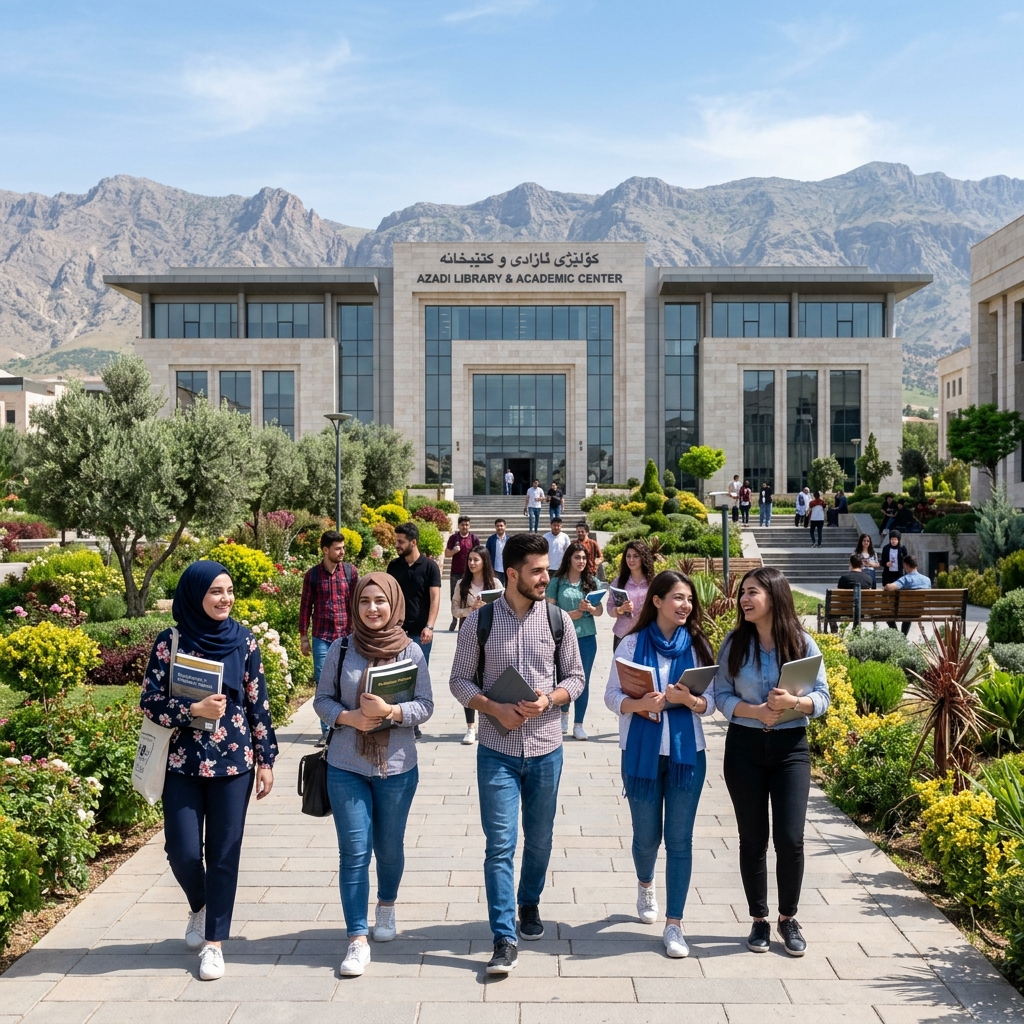
Kurdistan hosts over 30 public and private universities with internationally accredited programs in medicine, engineering, computer science, and Kurdish linguistics. Modern campuses blend world-class research facilities with picturesque mountain surroundings.
The oldest and largest public university in the Kurdistan Region, supporting over 25,000 undergraduate and doctoral scholars across science, law, and arts.
A flagship center for Kurdish literature, medical sciences, engineering, and cultural studies in the recognized UNESCO City of Literature.
Global centers like Institut Kurde de Paris, Washington Kurdish Institute, and the Kurdish Library in Stockholm preserving archival treasures and research.
Discover timeless literary masterpieces and folk sagas passed down through generations of bards, writers, and mountain firesides.
Kurdish storytelling weaves romance, chivalry, and heroic resistance into unforgettable allegories. From the national tragedy of Mem û Zîn to the blazing fires of Kawa the Blacksmith, these stories have kept the spirit of freedom alive across generations.
The masterpiece of classical Kurdish literature. The tragic romance between Prince Mem and Princess Zîn of Botan serves as a timeless allegory for the Kurdish longing for freedom and destiny.
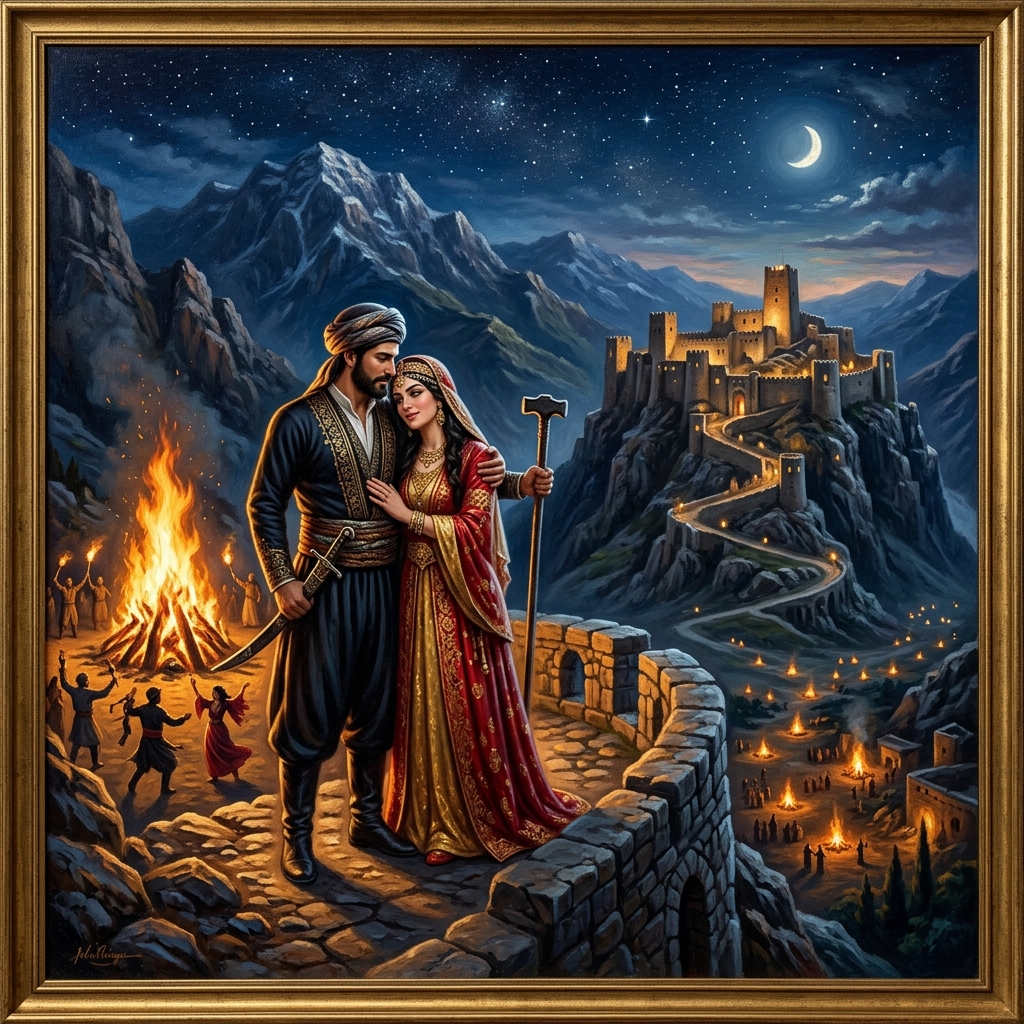
Kawa the blacksmith led a historic popular uprising against the tyrannical King Dehak, lighting a giant mountain bonfire to signal liberation and the dawn of Newroz (New Day).
The poignant folk tragedy of mountain hunter Siyabend and his beloved Xecê on the slopes of Mount Sipan, celebrated for its raw poetic depictions of Zagros wildlife and courage.
The epic defense of Dimdim Castle near Lake Urmia led by Amir Khan Lepzerin ("The Golden Hand"), commemorating the unwavering defense of Kurdish sovereignty and autonomy.
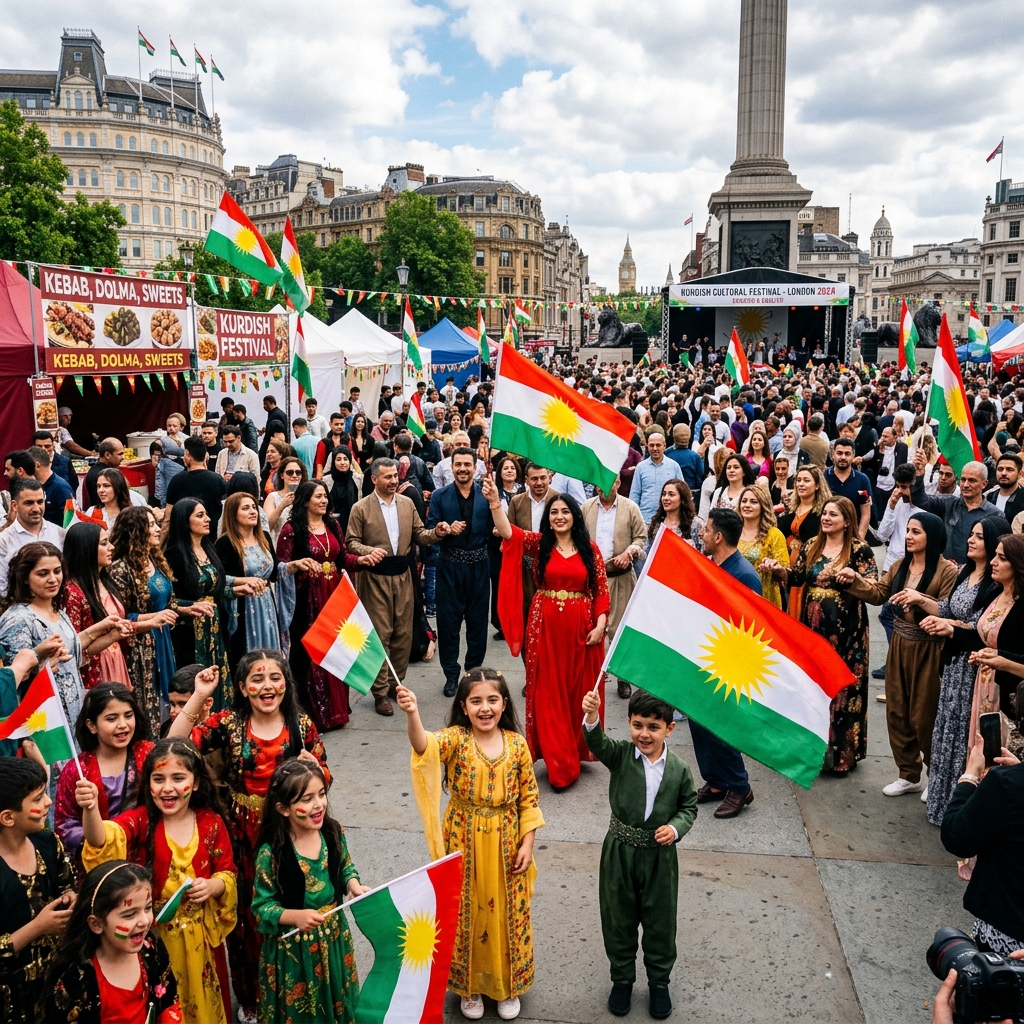
Millions of Kurds living across Europe, the Americas, and Australasia maintain deep ties to their cultural roots. Through lively cultural festivals, academic institutes, and business networks, the Kurdish diaspora serves as an energetic cultural ambassador to the world.
Over 2.5 million Kurds reside in vibrant diaspora communities across Europe, North America, and Australia, preserving their language, literature, culinary traditions, and cultural diplomacy.
The largest Kurdish community in Europe, hosting active cultural associations, football clubs, language academies, and massive annual Newroz festivals in Berlin, Cologne, and Frankfurt.
A powerhouse of modern Kurdish literature and publishing, producing celebrated authors, parliamentarians, journalists, and the Kurdish Library in Stockholm.
Paris is home to the world-renowned Institut Kurde de Paris (founded 1983), while London hosts thriving Kurdish business networks and community centers.
Nashville, Tennessee is proudly nicknamed 'Little Kurdistan' with the largest US Kurdish population, complete with authentic bakeries, mosques, and cultural centers.
Experience rich flavors crafted from fresh mountain produce, fragrant spices, wild thyme, and centuries-old culinary secrets.
Tender grape leaves, onions, zucchini, and peppers stuffed with seasoned rice, minced meats, and sour sumac.
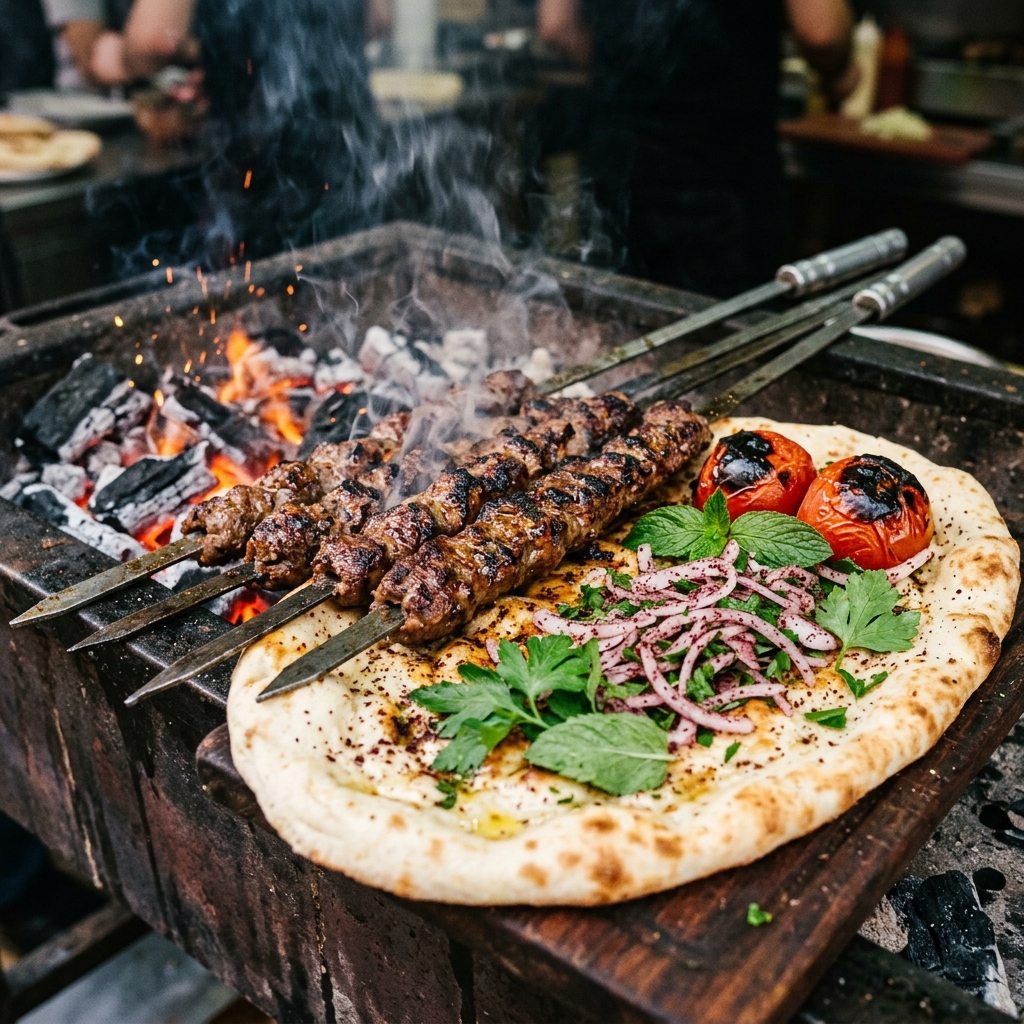
Finely minced seasoned lamb skewered and grilled over open embers, served with fresh clay-oven tandoor bread, sumac, and grilled tomatoes.
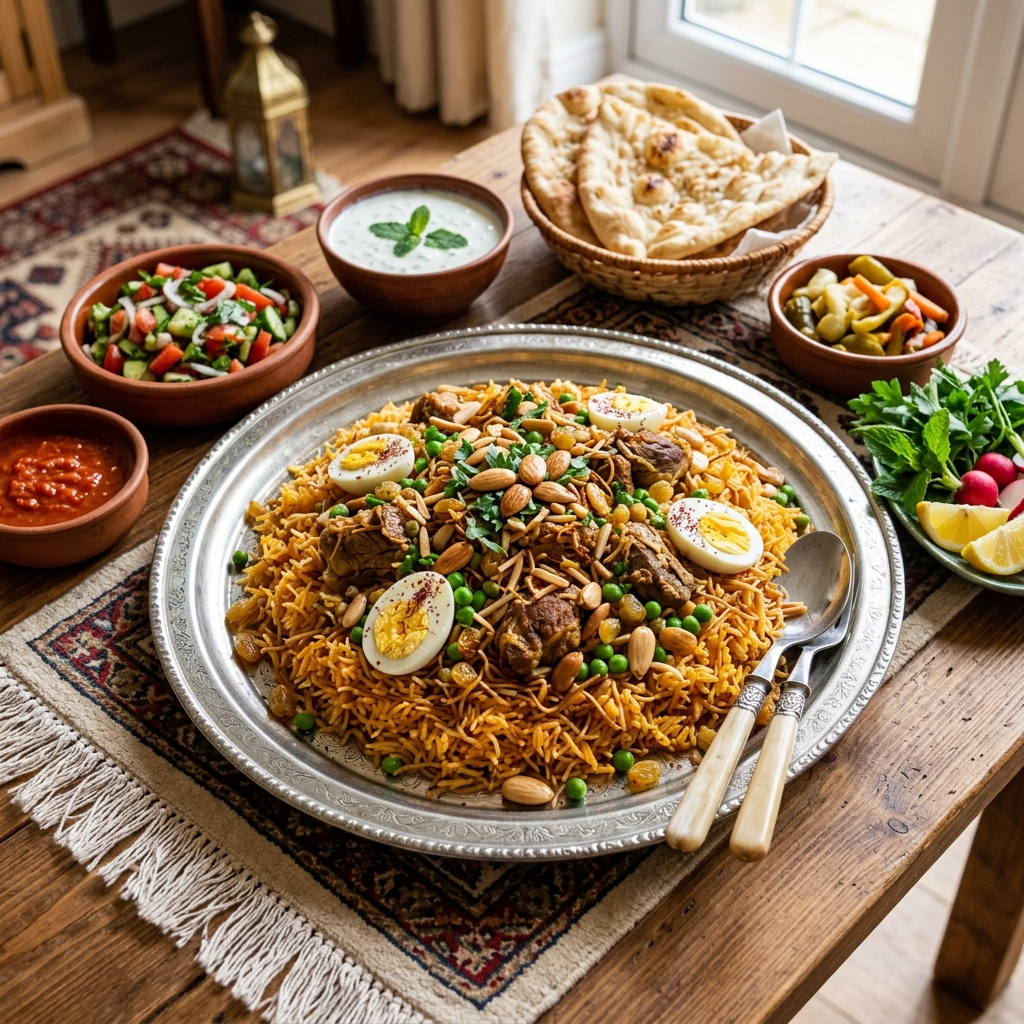
Aromatic spiced golden rice layered with toasted vermicelli, tender meat, golden raisins, toasted almonds, and hard-boiled eggs.