01
The Beating Social Heart of the Historic Kurdish Qaysari
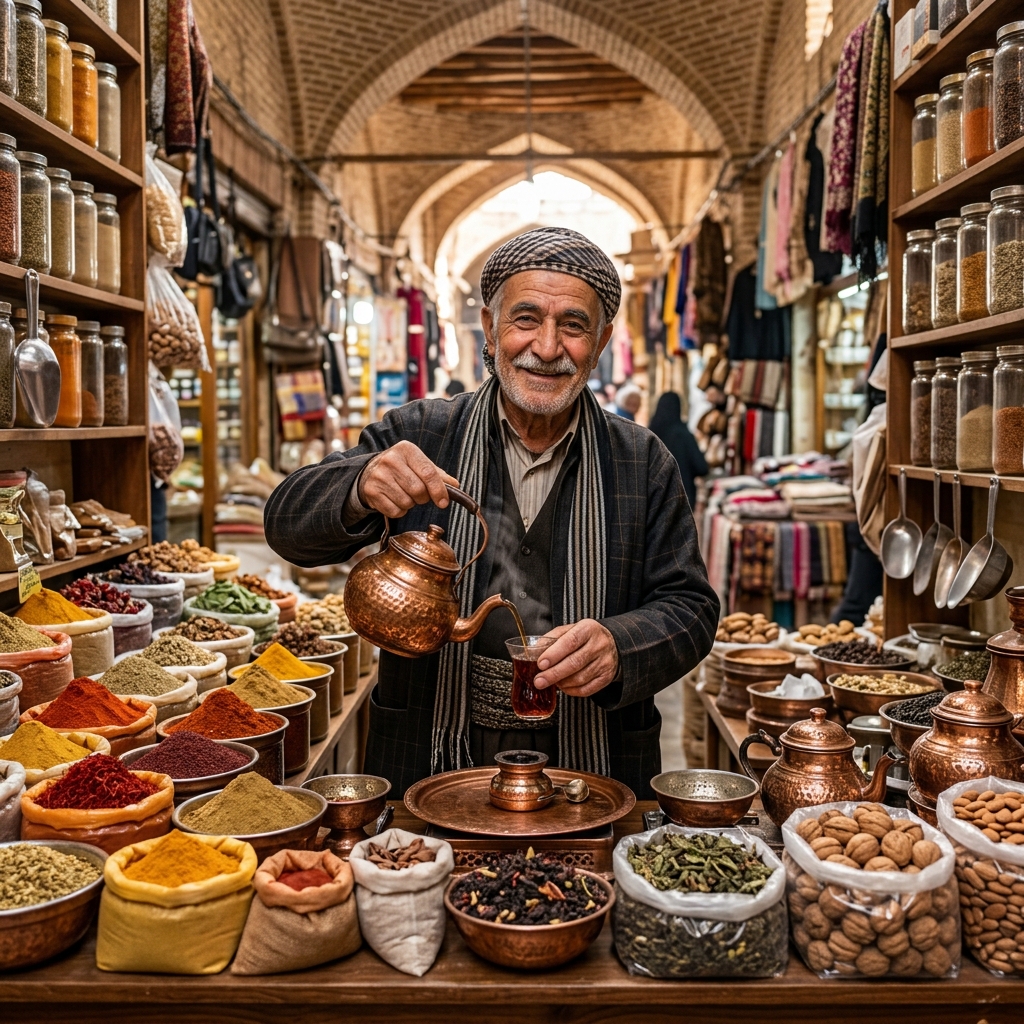
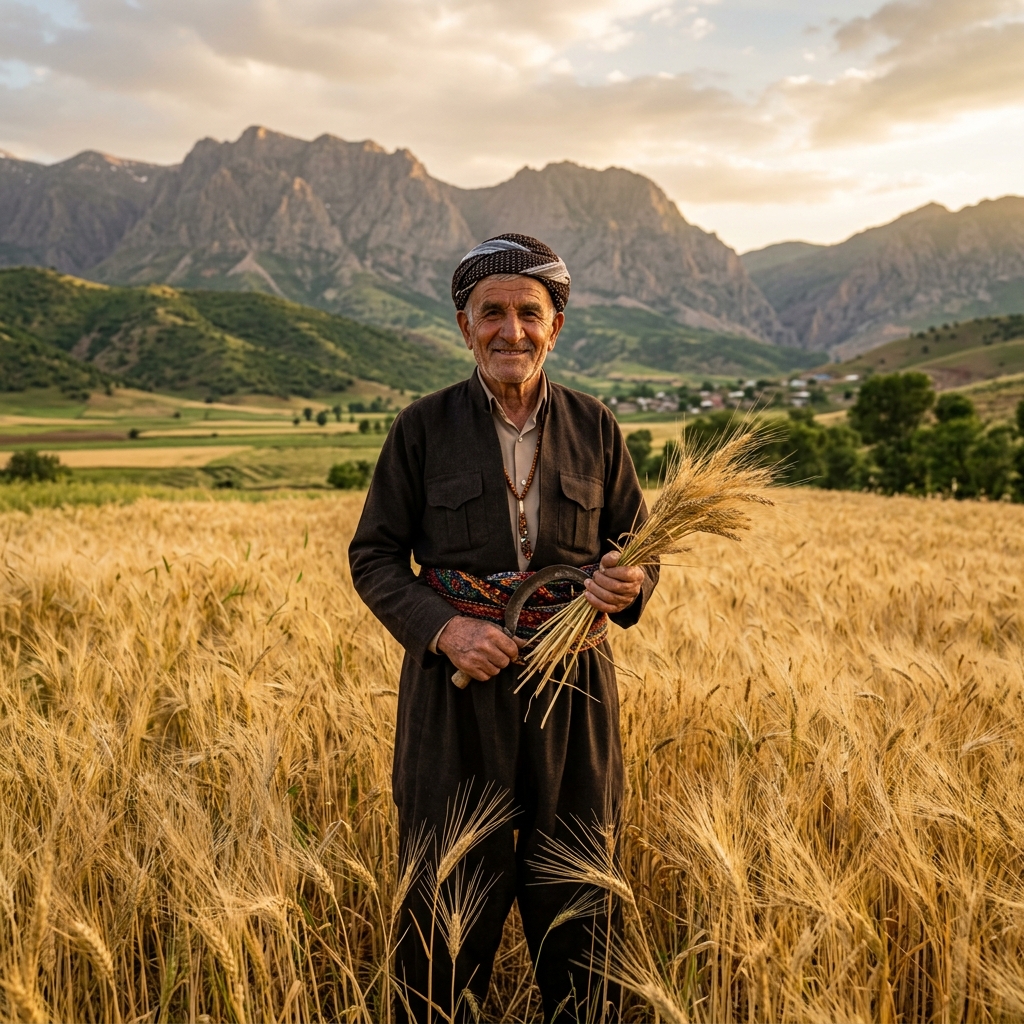
Step beneath the sun-dappled brick arches of the ancient Qaysari Bazaar in Erbil, the lively stalls of Mawlawi Street in Sulaymani, or the historic souks of Duhok and Kirkuk, and you enter the warm, beating social center of Kurdish daily life. The Kurdish shopkeeper (Dûkandar) is far more than a merchant engaged in retail commerce; they are the neighborhood historian, trusted family confidant, social news anchor, and the living embodiment of authentic Kurdish hospitality (Mêvanperwerî). In Kurdish bazaar culture, business is founded on enduring personal relationships, mutual trust, and heartfelt human connection. In the labyrinthine vaulted corridors of the Qaysari, merchants maintain century-old trade relationships with mountain farmers, bringing rare wild pistachios (Qezwan), sour mountain plums, and wild mountain herbs directly from alpine cliffs to urban tables. In the labyrinthine vaulted corridors of the Qaysari, merchants maintain century-old trade relationships with mountain farmers, bringing rare wild pistachios (Qezwan), sour mountain plums, and wild mountain herbs directly from alpine cliffs to urban tables.
02
The Inviolable Ritual of Kurdish Tea (Çay) and Hospitality
No customer enters a Kurdish shop simply to make a hurried financial transaction. The defining centerpiece of every Dûkandar’s establishment is a gleaming brass samovar gently bubbling in the corner. Before prices are discussed or fabric bolts unfolded, a small, elegant hourglass-shaped glass (Istikan) filled with steaming, fragrant black tea infused with freshly crushed green cardamom is presented to the guest. This leisurely tea ritual transforms everyday commerce into a gracious social encounter where stories of family, mountain weather, harvests, and world events are shared in relaxed camaraderie.
03
A Sensory Symphony of Mountain Harvests, Spices, and Goods
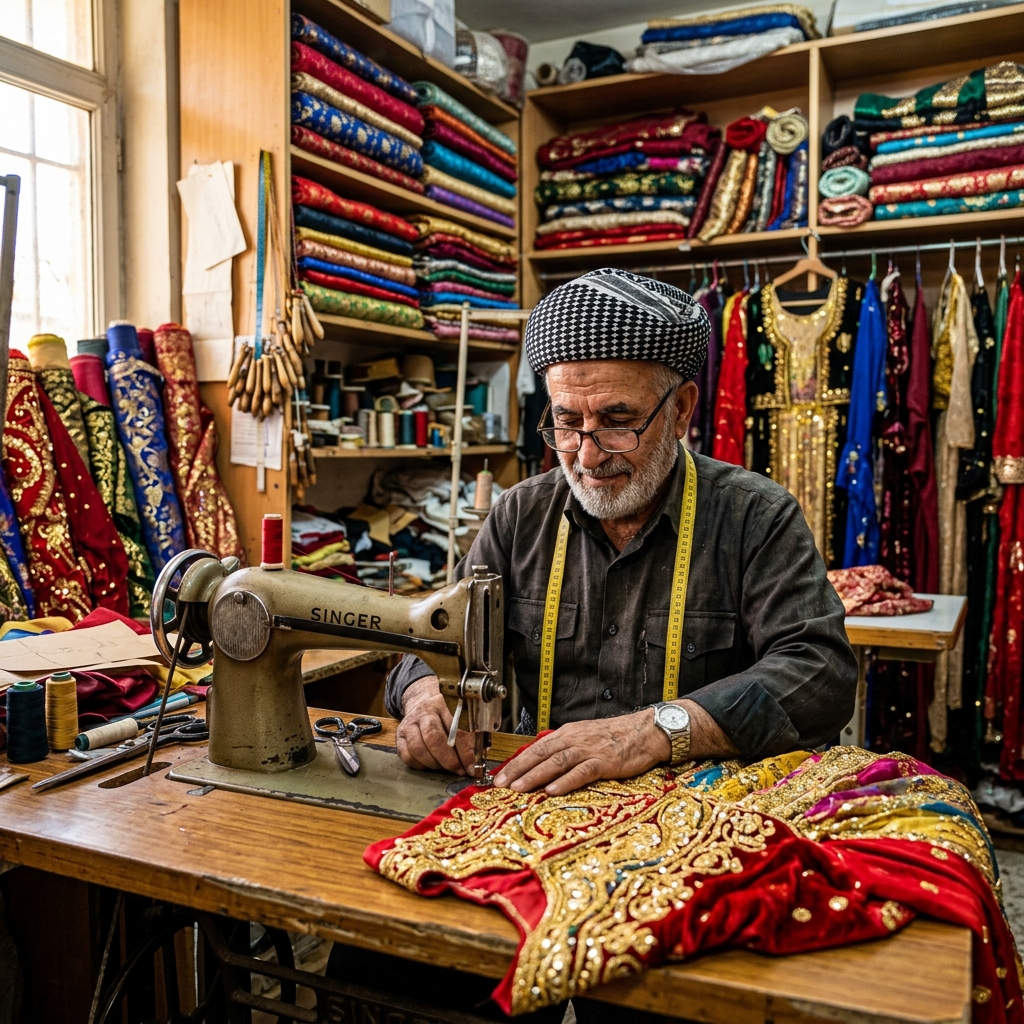
A walk through a traditional Kurdish grocery, spice, or dry-goods shop is an intoxicating feast for the senses. Burlap sacks overflow with deep-crimson wild sumac harvested from high mountain cliffs, golden turmeric, dried Hawrami pomegranates, green mountain raisins, dried sour cherries, Penjwen walnuts, dried goat cheese curd (Kurk), and fragrant bundles of mountain thyme (Catre). Adjacent alleys feature merchants selling tailored wool vests, gleaming hand-hammered copper coffee pots (Cezve), and exquisite traditional carpets, with businesses often passed down through four or five generations within the same family.
04
Trust, Communal Credit (Daftar), and Modern Continuity
In Kurdish neighborhoods, the shopkeeper maintains the traditional "Daftar"—a handwritten ledger of trust-based interest-free credit that allows local families to purchase groceries and household essentials throughout the month until paydays arrive. Even in an era of sprawling suburban shopping malls and instant smartphone delivery apps, the traditional Dûkandar remains indispensable, preserving human warmth, communal solidarity, and timeless cultural character in the modern economic landscape. Kurdish shopkeepers often maintain community charitable funds (Senduqî Xêrxwazî), discreetly supporting neighborhood students with school supplies and ensuring that vulnerable families never leave the bazaar without essential food. Kurdish shopkeepers often maintain community charitable funds (Senduqî Xêrxwazî), discreetly supporting neighborhood students with school supplies and ensuring that vulnerable families never leave the bazaar without essential food.